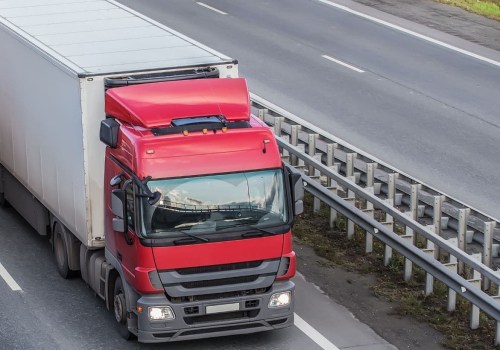
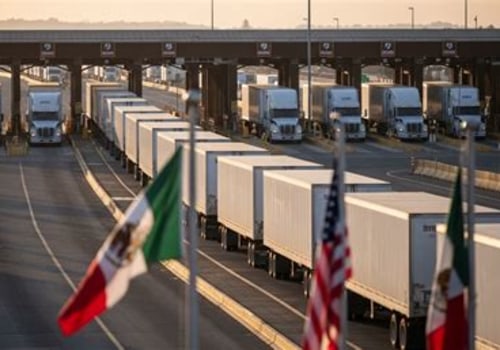
In the realm of freight transportation, understanding the distinct roles of carriers and shippers is crucial for anyone involved in the logistics industry. Freight transportation encompasses the movement of goods from one location to another, and it plays a vital role in global trade and commerce. As businesses expand and supply chains become more complex, the need for efficient and reliable transportation solutions has never been greater. At the heart of this system are two key players: carriers and shippers. Carriers are the entities responsible for physically transporting goods, whether by land, sea, or air.
They own or operate the vehicles and vessels that move freight, ensuring that products reach their destinations safely and on time. On the other hand, shippers are the individuals or companies that need to send goods from one point to another. They are often the manufacturers or suppliers who initiate the shipping process by contracting with carriers to handle their freight. The relationship between carriers and shippers is foundational to effective logistics management. A clear understanding of their roles not only enhances operational efficiency but also helps in navigating challenges such as fluctuating demand, regulatory requirements, and cost management.
As we delve deeper into this topic, we will explore how these two entities interact within the broader context of logistics, shedding light on their respective responsibilities and contributions to successful freight transportation.
Defining Key Terms in Freight Transportation
In the realm of freight transportation, understanding the roles of different parties involved is essential for efficient logistics management. Two key players in this industry are the carrier and the shipper. Each has distinct responsibilities and functions that contribute to the overall process of moving goods from one location to another.What is a Carrier?
A carrier is an individual or company that provides transportation services for goods. This can include various modes of transport such as trucks, ships, trains, or airplanes.Carriers are responsible for the physical movement of freight and ensuring that it reaches its destination safely and on time. They may own their vehicles or operate as third-party logistics providers (3PLs) that manage transportation on behalf of other companies.
What is a Shipper?
A shipper, on the other hand, refers to the individual or business that is sending goods. The shipper is responsible for preparing the freight for transport, which includes packaging, labeling, and providing necessary documentation. Shippers can be manufacturers, wholesalers, retailers, or any entity that needs to move products from one point to another.Key Differences
- Role: The carrier focuses on transportation logistics, while the shipper manages the shipment process.
- Responsibilities: Carriers handle the actual movement of goods; shippers prepare and send those goods.
- Ownership: Carriers may own transport vehicles; shippers typically do not own the means of transport.
By clearly distinguishing between carriers and shippers, businesses can streamline their logistics operations and enhance communication throughout the shipping process.
The Role of Carriers in Freight Transportation
In the realm of freight transportation, carriers play a pivotal role in ensuring that goods are moved efficiently and safely from one location to another. A carrier is essentially a company or individual that transports goods for shippers, and their responsibilities are multifaceted.Types of Carriers
Carriers can be categorized into several types, each serving distinct needs within the supply chain:- Common Carriers: These carriers offer their services to the general public and are required to transport goods for anyone who pays their fees. They operate under strict regulations and must adhere to specific safety and service standards.
- Contract Carriers: Unlike common carriers, contract carriers provide transportation services based on specific contracts with shippers. This allows for more tailored services and often results in better rates for shippers who have consistent shipping needs.
- Private Carriers: These are companies that transport their own goods using their own vehicles.
Private carriers are often used by large manufacturers or retailers who have significant shipping volumes.
Carrier Responsibilities
The responsibilities of carriers in freight transportation extend beyond just moving goods. Key responsibilities include:- Ensuring Safety: Carriers must comply with safety regulations to protect both the cargo and the drivers. This includes regular vehicle maintenance and adherence to weight limits.
- Timely Delivery: Meeting delivery schedules is crucial in maintaining supply chain efficiency. Carriers must plan routes effectively to avoid delays.
- Documentation: Carriers are responsible for handling necessary paperwork, including bills of lading and customs documentation, which are essential for legal transport.
- Communication: Keeping shippers informed about the status of shipments is vital.
Carriers often provide tracking information to enhance transparency.
The Role of Shippers in Freight Transportation
In the realm of freight transportation, shippers play a pivotal role in ensuring that goods are moved efficiently from one location to another. A shipper is typically the individual or company that is responsible for arranging the transportation of goods. Their primary responsibility is to ensure that products are delivered safely and on time, which involves a series of critical tasks.Responsibilities of Shippers
- Packaging and Labeling: Shippers must ensure that goods are properly packaged to prevent damage during transit.
This includes labeling packages with necessary information such as destination, handling instructions, and contents.
- Documentation: They are responsible for preparing and providing all necessary documentation, including bills of lading, customs paperwork, and invoices, which are essential for smooth transportation.
- Choosing Carriers: Shippers select appropriate carriers based on factors like cost, reliability, and service quality. This decision can significantly impact the efficiency of the freight transportation process.
- Tracking Shipments: Monitoring the status of shipments is crucial. Shippers often use tracking systems to keep tabs on their goods and communicate updates to customers.
- Managing Costs: They must also manage shipping costs effectively, negotiating rates with carriers and optimizing routes to minimize expenses.
Types of Shippers
Shippers can be categorized into several types based on their needs and operations:- Manufacturers: These shippers produce goods and need to transport them to distributors or retailers.
- Wholesalers: They purchase large quantities from manufacturers and sell them in smaller amounts to retailers.
- Retailers: Retailers ship products directly to consumers or other businesses, often requiring quick turnaround times.
- E-commerce Businesses: With the rise of online shopping, e-commerce shippers focus on fast delivery services to meet customer expectations.
Key Differences Between Carriers and Shippers
Understanding the roles of carriers and shippers is essential for anyone involved in freight transportation.While both play crucial roles in the logistics chain, their functions and responsibilities differ significantly.
- Definition: A carrier is a company or individual that transports goods on behalf of others, while a shipper is the person or entity that sends the goods.
- Responsibilities: Carriers are responsible for the actual movement of freight, ensuring it reaches its destination safely and on time. Shippers, on the other hand, handle the logistics of preparing goods for shipment, including packaging and documentation.
- Liability: In terms of liability, carriers are typically responsible for any damage or loss that occurs during transit. Shippers must ensure that their goods are properly packaged and labeled to minimize risks during transportation.
- Payment Structure: Carriers charge shippers for their services based on various factors such as distance, weight, and type of cargo. Shippers may negotiate rates with carriers to find the best deal for their shipping needs.
- Types: There are various types of carriers, including common carriers, contract carriers, and private carriers.
Shippers can be manufacturers, wholesalers, or retailers who need to move products to customers or distribution centers.
How Carriers and Shippers Work Together
In the realm of freight transportation, the collaboration between carriers and shippers is crucial for ensuring that goods move efficiently from one point to another. This partnership is built on a foundation of clear communication, mutual understanding, and shared goals.Effective Communication
- Regular updates on shipment status help both parties stay informed about potential delays or issues.
- Open lines of communication allow shippers to provide carriers with specific requirements, such as delivery windows and special handling instructions.
- Feedback from carriers can help shippers optimize their logistics strategies, leading to improved efficiency.
Logistics Partnerships
Establishing strong logistics partnerships is essential for both carriers and shippers. These partnerships can lead to:
- Cost savings: By working together, shippers can negotiate better rates with carriers, while carriers can optimize their routes and reduce empty miles.
- Increased reliability: A solid partnership fosters trust, which can lead to more consistent service and fewer disruptions in the supply chain.
- Enhanced flexibility: When challenges arise, a strong relationship allows for quicker problem-solving and adaptability to changing circumstances.
Freight Collaboration
The concept of freight collaboration extends beyond just the shipper-carrier relationship.
It often involves:
- Third-party logistics providers (3PLs) who facilitate communication and coordination between shippers and carriers.
- Technology solutions that enable real-time tracking and data sharing, enhancing visibility across the supply chain.
- Joint initiatives aimed at sustainability, such as optimizing load capacities to reduce carbon footprints.
Common Misconceptions About Carriers and Shippers
In the realm of freight transportation, misunderstandings about the roles of carriers and shippers are common. These misconceptions can lead to confusion and inefficiencies in logistics operations. Here, we clarify some of the most prevalent myths.Myth 1: Carriers and Shippers Are the Same
One of the biggest misconceptions is that carriers and shippers perform the same functions.In reality, shippers are the individuals or companies that need to transport goods, while carriers are the entities responsible for moving those goods from one location to another. Understanding this distinction is crucial for effective communication in freight transportation.
Myth 2: All Carriers Offer the Same Services
Another common myth is that all carriers provide identical services. In fact, carriers can vary significantly in terms of their capabilities, equipment, and areas of expertise. Some may specialize in over-the-road trucking, while others might focus on air freight or ocean shipping.This diversity means that shippers must carefully select a carrier that aligns with their specific needs.
Myth 3: Shippers Have No Control Over Freight Costs
Many believe that shippers are powerless when it comes to controlling freight costs. However, shippers can influence these costs through various strategies, such as:- Negotiating rates with carriers
- Consolidating shipments to maximize efficiency
- Selecting optimal shipping routes
- Utilizing technology for better tracking and management
Myth 4: Carriers Are Always Responsible for Delays
While carriers play a significant role in the timely delivery of goods, they are not solely responsible for delays. Factors such as weather conditions, traffic issues, and even shipper-related problems can contribute to shipping delays. Recognizing this shared responsibility can foster better collaboration between shippers and carriers.By debunking these myths, stakeholders in freight transportation can enhance their understanding of the logistics industry, leading to more efficient operations and improved partnerships.Conclusion: The Importance of Understanding Carriers and Shippers in Freight Transportation
In the realm of freight transportation, understanding the distinct roles of carriers and shippers is crucial for optimizing logistics and ensuring efficient delivery of goods.Throughout this article, we have explored how these two entities operate within the supply chain, highlighting their unique responsibilities and interactions.
Key Takeaways:
- Carriers are responsible for the physical movement of goods, utilizing various modes of transport such as trucks, ships, and planes.
- Shippers, on the other hand, are the individuals or companies that need to send goods from one location to another, often coordinating with carriers to facilitate this process.
- The relationship between carriers and shippers is symbiotic; effective communication and collaboration between the two can lead to improved efficiency and cost savings in freight transportation.