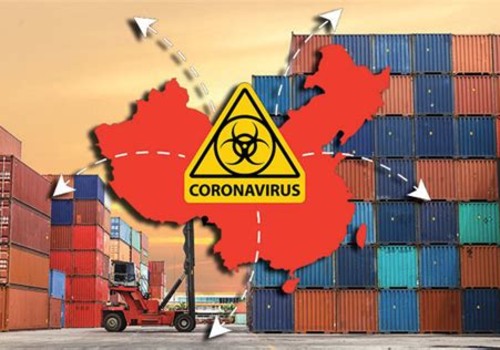
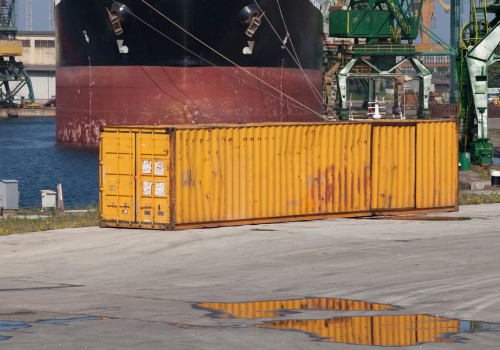
Freight transportation is the backbone of global trade, facilitating the movement of goods across vast distances and connecting markets worldwide. As businesses increasingly rely on efficient logistics to meet consumer demands, understanding the intricacies of freight transportation becomes essential. However, this complex system is not without its challenges. From natural disasters to regulatory changes, various factors can disrupt the smooth flow of goods, leading to significant delays and increased costs. One of the primary challenges in freight transportation is the unpredictability of logistics issues.
Weather conditions, traffic congestion, and port delays can all contribute to disruptions that affect delivery schedules. Additionally, geopolitical tensions and trade regulations can create bottlenecks in supply chains, making it crucial for companies to stay informed and adaptable. The ability to anticipate and respond to these challenges is vital for maintaining operational efficiency and customer satisfaction. Moreover, as e-commerce continues to grow, the demand for faster and more reliable freight services intensifies. This shift places additional pressure on logistics providers to innovate and streamline their operations.
Understanding the common pitfalls in freight transportation not only helps businesses mitigate risks but also positions them to capitalize on opportunities in an ever-evolving market.
Common Causes of Delays in Freight Transportation
Delays in freight transportation can significantly impact supply chains and customer satisfaction. Understanding the common causes of these delays is essential for logistics managers and businesses alike. Here are some of the primary factors that contribute to disruptions in freight transportation:- Weather Conditions: Severe weather events such as storms, heavy snowfall, or flooding can halt transportation operations. For instance, icy roads can make it dangerous for trucks to travel, while hurricanes may lead to port closures.
- Regulatory Issues: Compliance with local, state, and federal regulations can cause delays.
Changes in laws or unexpected inspections can slow down the movement of goods. For example, new customs regulations may require additional documentation, leading to longer processing times at borders.
- Equipment Failures: Mechanical issues with vehicles or shipping containers can lead to significant delays. A breakdown of a truck on a long-haul route can result in rerouting and extended delivery times.
- Traffic Congestion: Urban areas often experience heavy traffic, which can delay freight deliveries. Construction projects or accidents on major highways can exacerbate these issues.
- Labor Shortages: A shortage of qualified drivers or dock workers can slow down operations.
When there aren’t enough personnel to handle loading and unloading, it leads to bottlenecks in the supply chain.
Impact of Delays on Supply Chain Operations
Delays in freight transportation can have a cascading effect on supply chain operations, leading to significant disruptions that impact various facets of a business. Understanding these impacts is crucial for companies aiming to maintain efficiency and customer satisfaction. One of the most immediate consequences of freight delays is the financial burden they impose. When shipments are late, businesses may face increased costs due to expedited shipping fees, inventory holding costs, and potential penalties from contracts that stipulate delivery timelines.These unexpected expenses can erode profit margins and strain budgets. Moreover, delays can severely affect customer satisfaction. In today’s fast-paced market, consumers expect timely deliveries. When companies fail to meet these expectations, it can lead to dissatisfaction, negative reviews, and ultimately a loss of customer loyalty. A single delay can tarnish a brand's reputation, making it essential for businesses to communicate proactively with customers about any potential disruptions. Operational efficiency is another area that suffers due to freight delays.
When goods do not arrive on time, it disrupts the entire production schedule. Manufacturers may find themselves unable to meet production targets, leading to idle machinery and unproductive labor. This inefficiency not only affects current operations but can also hinder future planning and resource allocation. To mitigate these impacts, companies should adopt a proactive approach to managing their logistics. This includes implementing robust tracking systems that provide real-time updates on shipment status and developing contingency plans for potential disruptions.
By anticipating challenges and having strategies in place, businesses can minimize the adverse effects of delays on their supply chain operations.
- Financial Implications: Increased costs from expedited shipping and penalties.
- Customer Satisfaction: Risk of losing customer loyalty due to unmet delivery expectations.
- Operational Efficiency: Disruptions in production schedules leading to wasted resources.
Strategies for Mitigating Delays in Freight Transportation
Delays in freight transportation can significantly impact supply chains, leading to increased costs and customer dissatisfaction. To effectively manage these disruptions, companies can implement several key strategies.Route Optimization
One of the most effective ways to mitigate delays is through route optimization. By utilizing advanced software that analyzes traffic patterns, weather conditions, and road closures, logistics managers can select the most efficient routes.This not only reduces transit times but also minimizes fuel consumption, contributing to overall cost savings.
Real-Time Tracking Technologies
Investing in real-time tracking technologies allows companies to monitor shipments throughout the transportation process. With GPS and RFID technology, businesses can gain visibility into their freight's location and status. This information enables proactive decision-making; if a delay is detected, alternative arrangements can be made swiftly to keep the supply chain moving.Contingency Planning
Having a robust contingency plan is crucial for handling unexpected disruptions. Companies should identify potential risks—such as natural disasters or labor strikes—and develop response strategies in advance.This may include establishing relationships with multiple carriers or creating backup routes. By preparing for various scenarios, businesses can respond quickly and effectively when delays occur.
Collaboration with Partners
Effective logistics management often involves collaboration with various stakeholders, including suppliers, carriers, and customers. Regular communication helps ensure that all parties are aware of potential issues and can work together to find solutions. Establishing strong partnerships can lead to more flexible arrangements and quicker responses during disruptions. By implementing these strategies—route optimization, real-time tracking technologies, contingency planning, and fostering collaboration—companies can significantly reduce the impact of delays in freight transportation.These proactive measures not only enhance operational efficiency but also improve customer satisfaction by ensuring timely deliveries.
Communication During Disruptions: Keeping Stakeholders Informed
In the realm of freight transportation, disruptions can occur due to various factors such as weather conditions, mechanical failures, or unexpected regulatory changes. During these challenging times, effective communication becomes paramount to ensure that all stakeholders remain informed and engaged.Establishing Clear Communication Channels
- Identify key stakeholders including clients, suppliers, and internal teams.
- Utilize multiple communication platforms such as email, phone calls, and messaging apps to reach stakeholders promptly.
- Designate a point of contact for each stakeholder group to streamline information flow.
Timely Updates
Providing timely updates is crucial. Stakeholders should be informed as soon as a disruption is identified. Regular updates can help manage expectations and reduce anxiety.
Consider the following:
- Send initial notifications immediately after a disruption is confirmed.
- Provide status updates at regular intervals, even if there is no new information.
- Communicate any changes in delivery timelines or routes as soon as they are known.
Transparency Builds Trust
Being transparent about the nature of the disruption and its potential impact fosters trust among stakeholders. Share details about:
- The cause of the disruption and any steps being taken to mitigate it.
- The expected duration of the delay and any alternative solutions being considered.
- The measures implemented to prevent similar disruptions in the future.
Feedback Mechanism
Encouraging feedback from stakeholders can enhance communication effectiveness. Create avenues for stakeholders to voice their concerns or ask questions. This not only helps in addressing their needs but also demonstrates that their input is valued.In conclusion, effective communication during disruptions in freight transportation is essential for maintaining trust and ensuring that all parties are aligned.
By establishing clear channels, providing timely updates, being transparent, and encouraging feedback, logistics professionals can navigate disruptions more effectively and maintain strong relationships with stakeholders.
Case Studies: Successful Management of Freight Disruptions
In the realm of freight transportation, disruptions can arise from various sources, including natural disasters, supply chain interruptions, and unexpected regulatory changes. However, several companies have demonstrated effective strategies to manage these challenges successfully.Case Study 1: XYZ Logistics
During a severe winter storm, XYZ Logistics faced significant delays in their freight operations. To mitigate the impact, they implemented a multi-faceted approach:- Real-time Tracking: They utilized advanced tracking systems to monitor shipments and communicate updates to clients.
- Alternative Routes: The logistics team quickly identified alternative routes that bypassed the worst-affected areas, ensuring timely deliveries.
- Collaboration with Partners: By collaborating with local carriers, they were able to reroute shipments and maintain service levels.
Case Study 2: ABC Manufacturing
ABC Manufacturing encountered a sudden disruption due to a supplier's factory closure. Their response included:- Diverse Supplier Base: They had previously established relationships with multiple suppliers, allowing them to quickly source materials from alternative vendors.
- Inventory Management: By maintaining a strategic inventory buffer, they were able to continue production without significant interruptions.
- Transparent Communication: They kept stakeholders informed about potential impacts on delivery schedules, which helped manage expectations.
Companies that invest in these areas are better equipped to navigate the complexities of freight transportation.
FAQs About Handling Delays in Freight Transportation
When it comes to freight transportation, delays can occur for various reasons, and understanding how to handle them is crucial for maintaining efficiency and customer satisfaction. Here are some frequently asked questions regarding this topic:- What are common causes of delays in freight transportation?
Delays can arise from several factors, including: - Weather conditions
- Traffic congestion
- Equipment malfunctions
- Regulatory inspections
- Supply chain disruptions
- How can I minimize the impact of delays?
To mitigate the effects of delays, consider the following strategies: - Implement real-time tracking systems to monitor shipments.
- Establish clear communication channels with carriers and customers.
- Develop contingency plans for potential disruptions.
- What should I do if my shipment is delayed?
If you experience a delay, take these steps: - Contact your freight carrier for updates on the situation.
- Inform your customers about the delay and provide estimated delivery times.
- Assess whether alternative shipping methods can expedite delivery.
- How can technology help in handling delays?
Utilizing technology can significantly enhance your ability to manage delays: - Use logistics software for better route planning and optimization.
- Employ predictive analytics to foresee potential disruptions.
Conclusion: Key Takeaways for Managing Freight Transportation Delays
In conclusion, effectively managing freight transportation delays requires a multifaceted approach that emphasizes both proactive planning and responsive communication. Here are the key takeaways to consider:- Anticipate Potential Disruptions: Understanding the common causes of delays, such as weather conditions, traffic issues, or equipment failures, allows businesses to develop contingency plans. Regularly reviewing routes and schedules can help identify potential bottlenecks.
- Maintain Open Lines of Communication: Keeping all stakeholders informed is crucial.
This includes not only your team but also clients and carriers. Timely updates can mitigate frustration and foster trust.
- Utilize Technology: Implementing tracking systems and real-time data analytics can provide visibility into the supply chain. This technology enables quicker decision-making and helps in rerouting shipments when necessary.
- Build Strong Relationships: Establishing solid partnerships with carriers and logistics providers can lead to better service during disruptions. A reliable network can offer alternative solutions when unexpected challenges arise.
- Review and Adapt: After a disruption, conduct a thorough analysis of what went wrong and how it was handled.
Use these insights to refine your processes and improve future responses.