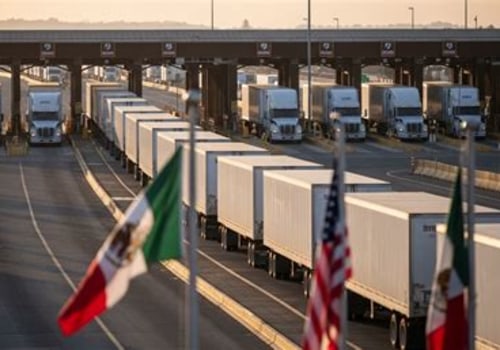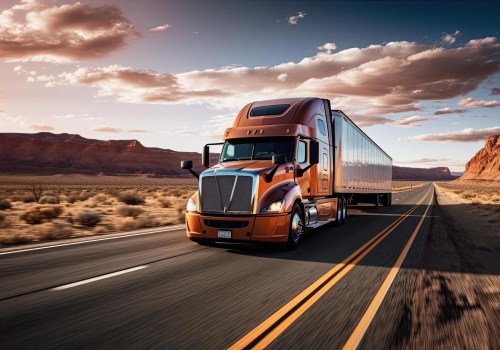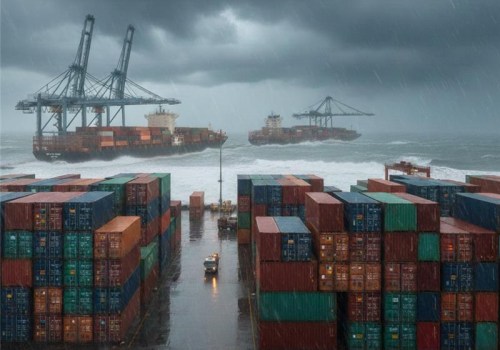
In the intricate world of supply chain management, freight transportation serves as a vital artery, facilitating the movement of goods from manufacturers to consumers. This process is not merely about moving products; it encompasses a complex network of logistics that ensures timely delivery, cost efficiency, and customer satisfaction. Understanding the nuances of freight transportation is essential for businesses aiming to optimize their supply chains and maintain a competitive edge in today’s fast-paced market. At its core, freight transportation involves various modes, including road, rail, air, and sea, each with its own set of advantages and challenges. The choice of transportation mode can significantly impact delivery times, costs, and overall supply chain efficiency.
For instance, while air freight offers speed, it often comes at a higher price point compared to sea freight. Therefore, businesses must carefully evaluate their logistics strategies to align with their operational goals and customer expectations. Moreover, the role of technology in enhancing freight transportation cannot be overstated. As we delve deeper into this topic, we will explore how advancements such as real-time tracking systems, automated logistics platforms, and data analytics are revolutionizing the way goods are transported. These technologies not only streamline operations but also provide valuable insights that help businesses make informed decisions in their supply chain management processes.
The Evolution of Technology in Freight Transportation
The journey of freight transportation technology has been marked by significant milestones that have transformed the logistics landscape.From the early days of manual labor to the sophisticated systems we see today, each advancement has played a crucial role in enhancing efficiency and reliability.In the late 19th century, the introduction of the steam engine revolutionized freight transportation. This innovation allowed for faster movement of goods over long distances, significantly reducing transit times. Railroads became the backbone of freight logistics, enabling bulk transport of commodities like coal and grain.As we moved into the 20th century, the advent of containerization marked another pivotal moment. Standardized shipping containers streamlined loading and unloading processes, facilitating intermodal transport.
This innovation not only reduced shipping costs but also minimized cargo damage and theft, making freight transportation more secure.The late 20th century saw the rise of information technology in logistics. The implementation of Warehouse Management Systems (WMS) and Transportation Management Systems (TMS) allowed companies to optimize their supply chains through better inventory management and route planning. These systems provided real-time data, enabling businesses to make informed decisions quickly.Today, advancements in artificial intelligence, Internet of Things (IoT)blockchain technology are further reshaping the freight transportation sector. AI algorithms analyze vast amounts of data to predict demand and optimize routes, while IoT devices track shipments in real-time, enhancing visibility throughout the supply chain.
Blockchain offers a secure way to document transactions, ensuring transparency and trust among stakeholders.In summary, the evolution of technology in freight transportation has been a continuous journey of innovation. Each technological advancement has not only improved operational efficiency but also enhanced customer satisfaction by providing faster and more reliable services.
Key Technologies Transforming Freight Transportation
The landscape of freight transportation is undergoing a significant transformation, driven by the integration of advanced technologies. These innovations not only enhance efficiency but also improve visibility and decision-making across the supply chain.Internet of Things (IoT) in Freight Transportation
The Internet of Things (IoT) plays a pivotal role in modern logistics by enabling real-time tracking and monitoring of shipments. Sensors embedded in cargo and vehicles provide critical data on location, temperature, and humidity, ensuring that goods are transported under optimal conditions.This level of visibility allows companies to respond swiftly to any disruptions, minimizing delays and losses.
Artificial Intelligence (AI) in Supply Chain Management
Artificial Intelligence (AI) is revolutionizing freight transportation by optimizing routes and predicting demand. Machine learning algorithms analyze historical data to forecast shipping needs, allowing companies to allocate resources more effectively. Additionally, AI-driven analytics can identify patterns in freight movement, helping businesses make informed decisions that enhance operational efficiency.Blockchain Technology
Blockchain technology is emerging as a game-changer in freight transportation by providing a secure and transparent way to document transactions. This decentralized ledger system ensures that all parties involved in the supply chain have access to the same information, reducing the risk of fraud and errors.By streamlining documentation processes, blockchain enhances trust among stakeholders and accelerates the overall shipping process.
Automation and Robotics
The rise of automation and robotics in warehouses and distribution centers is also transforming freight transportation. Automated systems can handle sorting, packing, and loading with greater speed and accuracy than human workers. This not only reduces labor costs but also minimizes human error, leading to more reliable delivery schedules.In conclusion, the integration of these key technologies—IoT, AI, blockchain, and automation—into freight transportation is reshaping the industry. As these technologies continue to evolve, they promise to further enhance efficiency, transparency, and reliability in supply chain management.The Role of Data Analytics in Freight Transportation
In the realm of freight transportation, the integration of data analytics has revolutionized how logistics companies operate.By leveraging vast amounts of data, organizations can enhance their decision-making processes, streamline operations, and ultimately reduce costs.
Data analytics in logistics
involves the systematic computational analysis of data sets to uncover patterns, correlations, and insights that can inform strategic decisions. This is particularly crucial in freight transportation, where timely and accurate information can significantly impact efficiency.Big Data in Freight Transportation
The advent of big data has enabled logistics companies to collect and analyze information from various sources, including GPS tracking, weather forecasts, and traffic patterns. By harnessing this data, companies can:- Optimize routes: Advanced algorithms can analyze real-time traffic conditions to suggest the most efficient routes for delivery trucks, reducing fuel consumption and transit times.
- Enhance inventory management: Predictive analytics can forecast demand trends, allowing companies to adjust their inventory levels accordingly and minimize storage costs.
- Improve customer service: By analyzing customer feedback and delivery performance data, companies can identify areas for improvement and enhance overall service quality.
Predictive Analytics in Supply Chain
Predictive analytics plays a pivotal role in supply chain management by using historical data to predict future outcomes. In freight transportation, this means anticipating potential disruptions such as delays due to weather or mechanical failures.By proactively addressing these issues, companies can maintain smoother operations and improve reliability.Furthermore, predictive models can assist in capacity planning by analyzing past shipping volumes and trends. This allows logistics providers to allocate resources more effectively, ensuring that they meet customer demands without overextending their capabilities.In conclusion, the role of data analytics in freight transportation cannot be overstated. By utilizing advanced analytical tools and techniques, logistics companies can not only enhance operational efficiency but also drive innovation within the industry.
Enhancing Efficiency and Reducing Costs with Technology
In the realm of freight transportation, technology plays a pivotal role in enhancing operational efficiency and driving down costs. By leveraging advanced tools and systems, companies can streamline their logistics processes, leading to significant improvements in both time and resource management.Supply chain optimization
is at the forefront of these technological advancements.For instance, the implementation of transportation management systems (TMS) allows businesses to plan, execute, and optimize the movement of goods. These systems provide real-time data analytics that help in making informed decisions regarding route selection, load optimization, and carrier performance.
- Real-time tracking: With GPS and IoT devices, companies can monitor shipments in real-time, reducing delays and improving customer satisfaction.
- Automated processes: Automation tools minimize manual errors and speed up operations, from order processing to invoicing.
- Data analytics: Analyzing historical data helps identify trends and inefficiencies, allowing for proactive adjustments in logistics strategies.
By providing a centralized platform for communication and data sharing, businesses can enhance transparency and coordination, which are crucial for minimizing delays and optimizing freight operations.In conclusion, the role of technology in freight transportation is indispensable for achieving cost reduction and operational efficiency. As logistics continue to evolve, embracing these technological innovations will be key to maintaining a competitive edge in the market.
Challenges and Limitations of Technology in Freight Transportation
While technology plays a crucial role in enhancing freight transportation, its adoption is not without challenges and limitations. Companies must navigate various hurdles that can impede the successful integration of new technologies into their logistics operations.- High Initial Costs: Implementing advanced technologies often requires significant upfront investment. This includes costs for software, hardware, and training personnel.
Smaller companies may find these expenses prohibitive, leading to a slower adoption rate.
- Integration Issues: Many organizations operate with legacy systems that may not easily integrate with new technologies. This can result in data silos and inefficiencies, undermining the potential benefits of technological advancements.
- Data Security Risks: As companies increasingly rely on digital platforms for freight transportation, they become more vulnerable to cyberattacks. Protecting sensitive data is paramount, yet many organizations lack the necessary cybersecurity measures.
- Resistance to Change: Employees accustomed to traditional methods may resist adopting new technologies. This cultural barrier can hinder the implementation process and reduce overall effectiveness.
- Dependence on Technology: Over-reliance on technology can lead to vulnerabilities.
For instance, system failures or outages can disrupt operations, causing delays and financial losses.
Future Trends in Freight Transportation Technology
The future of freight transportation is poised for significant transformation, driven by a variety of emerging technologies that promise to enhance efficiency, reduce costs, and improve overall service quality. As the logistics landscape evolves, several key trends are emerging that will shape the way goods are transported across the globe.- Automation and Robotics: The integration of automation in freight transportation is becoming increasingly prevalent.
Automated vehicles, including trucks and drones, are expected to revolutionize last-mile delivery, reducing human error and increasing speed.
- Artificial Intelligence (AI): AI is playing a crucial role in optimizing supply chain management. By analyzing vast amounts of data, AI can predict demand fluctuations, optimize routes, and enhance inventory management, leading to more efficient freight operations.
- Blockchain Technology: The adoption of blockchain in logistics is gaining traction due to its ability to provide transparency and security in transactions. This technology can streamline documentation processes and improve traceability in the supply chain.
- Internet of Things (IoT): IoT devices are increasingly being used to monitor shipments in real-time. Sensors can track temperature, humidity, and location, ensuring that goods are transported under optimal conditions and allowing for proactive management of potential issues.
- Sustainability Initiatives: As environmental concerns grow, the freight transportation industry is focusing on sustainable practices.
Innovations such as electric vehicles and alternative fuels are being explored to reduce carbon footprints and comply with stricter regulations.
FAQs about Technology in Freight Transportation
As technology continues to evolve, many stakeholders in the logistics sector have questions about its impact on freight transportation. Here are some frequently asked questions that shed light on this crucial topic.What technologies are most commonly used in freight transportation?
- Transportation Management Systems (TMS): These software solutions help companies plan, execute, and optimize the physical movement of goods.
- Warehouse Management Systems (WMS): These systems manage warehouse operations, ensuring efficient storage and retrieval of goods.
- GPS and Fleet Tracking: Real-time tracking of vehicles enhances visibility and allows for better route optimization.
- Blockchain: This technology provides secure and transparent transaction records, improving trust among supply chain partners.
- Internet of Things (IoT): IoT devices can monitor conditions such as temperature and humidity during transit, ensuring product integrity.
How does technology improve efficiency in freight transportation?
Technology streamlines operations by automating processes that were once manual. For instance, a TMS can analyze data to suggest the most efficient routes, reducing fuel costs and delivery times.Additionally, real-time tracking allows companies to respond quickly to delays or issues, enhancing overall service quality.
What is the impact of technology on supply chain visibility?
Enhanced visibility is one of the most significant benefits of technology in freight transportation. With tools like GPS tracking and IoT sensors, companies can monitor shipments in real-time. This transparency helps in proactive decision-making and builds trust with customers by providing accurate delivery updates.Are there any challenges associated with implementing technology in freight transportation?
While technology offers numerous advantages, challenges do exist. These include:- High Initial Costs: Implementing advanced systems can require significant investment.
- Training Requirements: Employees may need training to effectively use new technologies.
- Data Security Concerns: With increased connectivity comes the risk of cyber threats.
Conclusion: The Future of Freight Transportation with Technology
As we look towards the future of freight transportation, it is clear that technology will play a pivotal role in shaping its evolution.The integration of advanced technologies not only enhances operational efficiency but also addresses the growing demands of a globalized economy.Throughout this article, we have explored various technological advancements that are transforming the landscape of freight transportation. From automated logistics systems to real-time tracking solutions, these innovations are streamlining processes and reducing costs. The adoption of artificial intelligence and machine learning is enabling companies to predict demand more accurately, optimize routes, and improve inventory management.Moreover, the rise of Internet of Things (IoT) devices has revolutionized how goods are monitored during transit. With sensors providing real-time data on temperature, humidity, and location, businesses can ensure that products are delivered in optimal conditions, thereby enhancing customer satisfaction.The importance of sustainability in freight transportation cannot be overlooked.
Technology is facilitating greener practices through the development of electric vehicles and alternative fuels, which help reduce the carbon footprint associated with logistics operations.In conclusion, as technology continues to advance, it will undoubtedly reshape the future of freight transportation. Companies that embrace these changes will not only gain a competitive edge but also contribute to a more efficient and sustainable supply chain. The journey ahead is promising, and those who adapt will thrive in this dynamic environment.