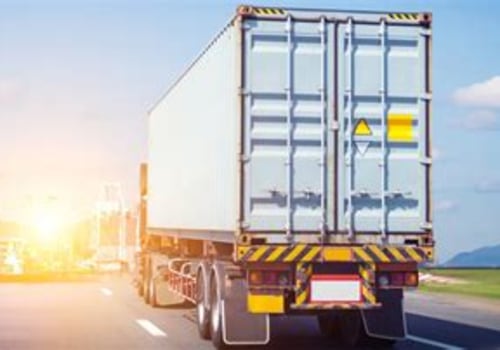
Freight transportation is a critical component of the global economy, serving as the backbone for the movement of goods across vast distances. It encompasses various methods of transporting cargo, including road, rail, air, and maritime shipping. Each mode has its unique advantages and challenges, making it essential for businesses to choose the right method based on their specific needs. Understanding what freight transportation entails is crucial for grasping its significance in facilitating international trade. The importance of freight transportation cannot be overstated; it enables countries to exchange goods and services efficiently, fostering economic growth and development.
As businesses expand their reach into global markets, the demand for reliable and cost-effective freight solutions increases. This demand drives innovation within the industry, leading to advancements in logistics technology, tracking systems, and supply chain management. There are several types of freight transportation, each tailored to different types of cargo and delivery requirements. For instance, road transportation is often favored for its flexibility and accessibility, while maritime shipping is typically used for bulk goods due to its cost-effectiveness over long distances.
Air freight
, on the other hand, is ideal for high-value or time-sensitive shipments.Understanding these modes is essential for businesses looking to optimize their logistics strategies in an increasingly interconnected world.
The Role of International Trade in Freight Transportation
International trade plays a pivotal role in shaping the landscape of freight transportation. As countries engage in the exchange of goods and services, the demand for efficient and reliable transportation solutions escalates. This surge in trade activities directly influences the volume of freight that needs to be moved across borders, thereby impacting logistics operations globally.One of the most significant effects of international trade on freight transportation is the increase in shipping volumes. With more businesses sourcing materials and products from overseas, freight carriers are experiencing heightened demand for their services.This trend necessitates the expansion of shipping routes and the optimization of logistics networks to accommodate larger cargo loads and more frequent shipments.
- Increased Shipping Volumes: The rise in international trade leads to a greater number of containers being shipped, which requires more vessels, trucks, and rail services to handle the increased load.
- Need for Efficient Logistics: As trade expands, companies must streamline their logistics processes to ensure timely delivery. This includes adopting advanced technologies such as tracking systems and automated warehousing solutions.
- Global Supply Chains: International trade fosters complex supply chains that span multiple countries. Effective freight transportation is essential for maintaining these supply chains, ensuring that goods move smoothly from manufacturers to consumers.
Freight carriers must stay informed about these regulations to avoid delays and penalties, further emphasizing the need for efficient logistics management.In conclusion, the relationship between international trade and freight transportation is symbiotic. As global commerce continues to grow, so too will the demand for innovative and effective transportation solutions that can keep pace with this dynamic environment.
Key Factors Influencing Freight Transportation Due to Trade
International trade significantly influences freight transportation through various key factors, including trade agreements, tariffs, and economic conditions. Understanding these elements is crucial for businesses and logistics providers aiming to optimize their supply chains.Trade Agreements
Trade agreements between countries can greatly affect freight transportation by reducing barriers to trade. For instance, agreements like the United States-Mexico-Canada Agreement (USMCA) facilitate smoother cross-border movement of goods.These agreements often lead to:
- Lower tariffs: Reduced tariffs decrease the overall cost of shipping goods, making it more economical for companies to transport products internationally.
- Increased trade volumes: As trade becomes easier, the volume of goods transported increases, necessitating more efficient freight transportation solutions.
Tariffs and Trade Policies
Tariffs imposed on imported goods can have a direct impact on freight transportation. Higher tariffs may lead to:- Increased shipping costs: Companies may pass on the costs of tariffs to consumers, which can affect demand and ultimately influence shipping volumes.
- Shifts in supply chains: Businesses might seek alternative suppliers or markets to avoid high tariffs, leading to changes in traditional freight transportation routes.
Economic Factors
The overall economic climate also plays a vital role in shaping freight transportation. Factors such as GDP growth, inflation rates, and consumer spending directly influence shipping demand. For example:- Economic growth: A booming economy typically results in increased production and consumption, driving up the need for efficient freight transportation.
- Inflation: Rising costs can lead to higher shipping rates, which may deter some businesses from engaging in international trade.
By adapting to these influences, businesses can enhance their operational efficiency and maintain competitiveness in a global market.
Technological Advancements in Freight Transportation Linked to Trade
In the realm of freight transportation, technological advancements have become a cornerstone driven by the demands of international trade. As global markets expand, the need for efficient and reliable shipping solutions has prompted innovations that not only streamline operations but also enhance overall supply chain management.Automation in Freight Operations
- Automated Warehousing: The integration of robotics in warehouses has revolutionized how goods are stored and retrieved. Automated systems reduce human error and increase speed, allowing for quicker turnaround times in freight handling.
- Self-Driving Vehicles: The development of autonomous trucks is set to transform long-haul freight transportation. These vehicles promise to lower operational costs and improve safety on the roads, addressing the growing driver shortage in the industry.
Advanced Tracking Systems
- Real-Time Tracking: Modern tracking technologies enable shippers and customers to monitor shipments in real-time.
This transparency not only enhances customer satisfaction but also allows for better inventory management and reduced delays.
- Blockchain Technology: By providing a secure and immutable ledger, blockchain enhances the traceability of goods throughout the supply chain. This innovation is particularly beneficial in international trade, where documentation and compliance are critical.
Environmental Considerations in Freight Transportation and Trade
The rapid expansion of international trade has significantly influenced freight transportation, leading to increased environmental challenges.As goods are transported across borders, the carbon footprint associated with these logistics operations has grown, raising concerns about sustainability.One of the primary environmental impacts of freight transportation is the emission of greenhouse gases (GHGs). According to the International Transport Forum, freight transport accounts for approximately 7% of global CO2 emissions. This statistic underscores the urgent need for the industry to adopt more sustainable practices.
Sustainable Practices in Freight Transportation
To mitigate these environmental effects, many companies are turning to sustainability in shipping. Here are some key strategies being implemented:- Alternative Fuels: The adoption of biofuels, electric vehicles, and hydrogen-powered trucks is gaining traction.
These alternatives can significantly reduce emissions compared to traditional diesel engines.
- Optimized Routing: Advanced logistics software allows companies to optimize delivery routes, reducing fuel consumption and travel time.
- Consolidation of Shipments: By consolidating shipments, companies can maximize cargo loads and minimize the number of trips required, thereby decreasing overall emissions.
- Green Logistics: This approach focuses on minimizing waste and improving efficiency throughout the supply chain. Implementing practices such as recycling packaging materials and using energy-efficient warehouses contributes to a lower environmental impact.
By focusing on innovative solutions and regulatory compliance, stakeholders can work towards a more environmentally friendly future in global logistics.
Challenges Facing Freight Transportation in a Global Trade Environment
As international trade continues to expand, freight transportation faces a myriad of challenges that can significantly impact its efficiency and effectiveness. Understanding these challenges is crucial for stakeholders in the logistics and shipping industries.Supply Chain Disruptions
One of the most pressing issues in freight transportation is the frequent disruptions in supply chains. Events such as natural disasters, geopolitical tensions, and pandemics can lead to unexpected delays and increased costs. For instance, the COVID-19 pandemic highlighted vulnerabilities in global supply chains, causing widespread shipping delays and shortages of essential goods.Regulatory Hurdles
Navigating the complex web of international regulations poses another significant challenge.Different countries have varying customs procedures, tariffs, and compliance requirements that can complicate freight transportation. Companies must stay informed about these regulations to avoid costly penalties and ensure smooth operations.
Rising Costs
The cost of freight transportation has been on the rise due to several factors, including fuel price fluctuations, labor shortages, and increased demand for shipping services. These rising costs can squeeze profit margins for businesses reliant on international trade, forcing them to seek more efficient logistics solutions.Logistics Challenges
Logistics management is another critical area where challenges arise. Coordinating multiple modes of transport—such as air, sea, and land—requires meticulous planning and execution.Delays in one mode can cascade through the entire supply chain, leading to inefficiencies and customer dissatisfaction.In conclusion, addressing these challenges is essential for optimizing freight transportation in a global trade environment. Stakeholders must adopt innovative strategies and technologies to enhance resilience and adaptability in their logistics operations.
Future Trends in Freight Transportation Driven by International Trade
As international trade continues to evolve, the freight transportation industry is poised for significant transformation. Several key trends are emerging that will shape the future of logistics and shipping.- Increased Automation: The integration of automation technologies, such as autonomous vehicles and drones, is expected to revolutionize freight transportation. These innovations can enhance efficiency, reduce costs, and improve delivery times, making logistics operations more responsive to global trade demands.
- Sustainability Initiatives: With growing concerns about climate change, the shipping industry is increasingly focusing on sustainable practices.
This includes adopting cleaner fuels, optimizing routes to reduce emissions, and implementing eco-friendly packaging solutions. As international trade regulations tighten around environmental standards, companies that prioritize sustainability will likely gain a competitive edge.
- Digitalization and Data Analytics: The rise of big data and advanced analytics is transforming how logistics companies operate. By leveraging data from various sources, businesses can optimize their supply chains, predict demand fluctuations, and enhance inventory management. This trend will be crucial in adapting to the dynamic nature of international trade.
- Shift Towards E-commerce: The surge in e-commerce has dramatically changed consumer behavior and expectations.
As more consumers shop online, the demand for rapid delivery services is increasing. This shift necessitates a reevaluation of traditional freight transportation models to accommodate smaller shipments and faster turnaround times.
- Global Trade Agreements: Changes in international trade policies and agreements will continue to impact freight transportation. New trade deals can open up markets or impose tariffs that affect shipping routes and costs. Staying informed about these developments will be essential for logistics providers to navigate the complexities of global trade.
Companies that adapt to these trends will not only enhance their operational efficiency but also position themselves favorably in a competitive global market.
FAQs About Freight Transportation and International Trade
Understanding the relationship between freight transportation and international trade is crucial for businesses and individuals involved in global commerce. Here are some frequently asked questions that shed light on this topic:- What is freight transportation?
Freight transportation refers to the movement of goods and cargo via various modes, including road, rail, air, and sea. It plays a vital role in facilitating international trade by ensuring that products reach their destinations efficiently. - How does international trade affect freight transportation costs?
International trade can significantly impact freight transportation costs due to factors such as distance, shipping regulations, and tariffs. Increased demand for shipping services can lead to higher rates, while trade agreements may reduce costs by streamlining customs processes. - What are the main modes of freight transportation used in international trade?
The primary modes include:- Maritime shipping: Ideal for bulk goods over long distances.
- Air freight: Best for high-value or time-sensitive items.
- Rail transport: Efficient for land-based shipments across large countries.
- Truck transport: Flexible for last-mile delivery and regional distribution.
- What role do logistics companies play in international freight transportation?
Logistics companies manage the entire supply chain process, from warehousing to customs clearance.They ensure that goods are transported efficiently and comply with international regulations, which is essential for smooth trade operations.
- How can businesses optimize their freight transportation strategies?
Businesses can optimize their strategies by:- Choosing the right mode of transport based on cost and speed.
- Utilizing technology for tracking shipments and managing inventory.
- Building strong relationships with logistics providers to enhance service quality.