In the dynamic world of freight transportation, understanding the specific terminology is crucial for anyone involved in the logistics and supply chain sectors. The freight industry is filled with unique vocabulary that can often seem overwhelming to newcomers. However, grasping these terms not only enhances communication but also improves operational efficiency and decision-making. Whether you are a shipper, carrier, or logistics manager, familiarizing yourself with the language of freight transportation can significantly impact your ability to navigate this complex landscape. From basic concepts like freight class and bill of lading to more intricate terms such as intermodal transportation and demurrage, each term carries its own significance and implications.
Understanding these terms helps in accurately assessing costs, managing shipments, and ensuring compliance with regulations. Moreover, as the industry evolves with advancements in technology and changes in regulations, staying updated on the latest terminology becomes even more essential. This section will serve as a gateway into the rich vocabulary of the freight transportation industry. By exploring key terms and their meanings, readers will be better equipped to engage in discussions, make informed decisions, and ultimately enhance their effectiveness within the logistics field. Let’s embark on this journey to demystify the language of freight transportation and unlock the potential it holds for your business.
Basic Freight Transportation Terms
Understanding the freight transportation industry requires familiarity with several key terms that are commonly used.Here are some of the most important definitions:
- Freight: This term refers to goods or cargo that are transported from one location to another. Freight can be moved via various modes of transportation, including trucks, trains, ships, and airplanes.
- Carrier: A carrier is a company or individual responsible for transporting freight. Carriers can be classified into different categories, such as common carriers, contract carriers, and private carriers, each serving specific needs within the logistics chain.
- Shipper: The shipper is the person or entity that sends the freight. This could be a manufacturer, wholesaler, or retailer who needs to move goods to a customer or another location.
- Consignee: The consignee is the individual or business that receives the freight.
This party is typically specified in the shipping documents and is responsible for accepting delivery of the goods.
- Bill of Lading: A legal document between the shipper and carrier that outlines the details of the shipment, including type of goods, quantity, and destination.
- Freight Forwarder: A third-party logistics provider that arranges for the transportation of goods on behalf of shippers. They handle documentation and logistics planning to ensure efficient delivery.
- Load Board: An online platform where shippers can post available loads and carriers can find freight to transport. This helps match supply with demand in real-time.
Types of Freight Transportation
Freight transportation encompasses various modes of transport, each with its own unique characteristics and terminologies. Understanding these different types is crucial for businesses looking to optimize their logistics and supply chain operations.Road Freight
Road freight is one of the most common methods of transporting goods.It involves the use of trucks and other vehicles to move cargo over land. Key terms associated with road freight include:
- Less Than Truckload (LTL): A shipping option for smaller loads that do not require a full truck.
- Full Truckload (FTL): A shipping method where an entire truck is dedicated to a single shipment.
- Last Mile Delivery: The final step in the delivery process, where goods are transported from a distribution center to the end customer.
Rail Freight
Rail freight is another significant mode, particularly for bulk goods. It is often more cost-effective for long distances. Important terms in rail freight include:- Intermodal: The use of more than one mode of transport to move goods, such as combining rail and truck.
- Flatcar: A type of railcar without sides or a roof, used for transporting large items.
- Boxcar: A fully enclosed railcar used for transporting general cargo.
Air Freight
Air freight is the fastest mode of transportation, ideal for urgent shipments.Key terms include:
- Air Waybill (AWB): A document that serves as a receipt for goods and a contract between the shipper and carrier.
- Freight Forwarder: A company that arranges the transportation of goods on behalf of shippers.
- Charter Flight: A flight booked specifically for transporting cargo, rather than on a scheduled airline.
Sea Freight
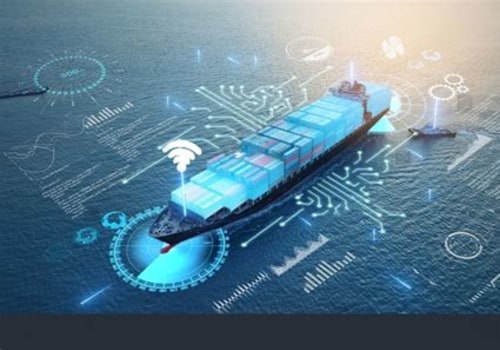
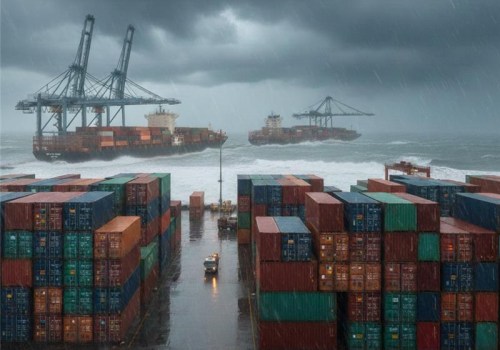
Sea freight is essential for international trade, especially for large volumes. Common terms include:- Container Ship: A vessel designed to carry standardized cargo containers.
- Bollard Pull: A measure of a tugboat's pulling power.
- LCL (Less than Container Load): A shipment that does not fill an entire container, allowing multiple shippers to share space.
Freight Shipping Terms and Conditions
Understanding the terminology used in freight transportation is crucial for anyone involved in shipping goods. Here are some of the most common terms you will encounter:- FOB (Free on Board): This term indicates when the responsibility for the goods transfers from the seller to the buyer. If a shipment is marked as FOB shipping point, the buyer assumes responsibility once the goods leave the seller's premises.
Conversely, FOB destination means the seller retains responsibility until the goods reach the buyer's location.
- CIF (Cost, Insurance, and Freight): This term is used in international shipping and signifies that the seller covers the cost of goods, insurance, and freight charges to transport goods to a specified port. It provides a level of security for buyers, ensuring that their goods are insured during transit.
- Bill of Lading: This is a critical document in freight contracts, serving as a receipt for the goods and a contract between the shipper and carrier. It outlines details such as the type of goods, quantity, and destination. The bill of lading also acts as a title to the goods, allowing for transfer of ownership.
- Demurrage: This term refers to charges incurred when cargo is not loaded or unloaded within an agreed timeframe.
Understanding demurrage fees can help businesses manage costs effectively during shipping.
- Incoterms: Short for International Commercial Terms, these are standardized trade terms that define responsibilities between buyers and sellers in international transactions. Familiarity with Incoterms can prevent misunderstandings regarding shipping responsibilities.
Logistics and Supply Chain Terminology
Understanding the logistics and supply chain terminology is crucial for anyone involved in freight transportation. Here are some key terms that frequently arise in this context:- Logistics: The detailed coordination of complex operations involving people, facilities, and supplies. In freight transportation, logistics encompasses the planning and execution of the movement of goods.
- Supply Chain: A network between a company and its suppliers to produce and distribute a specific product.
It includes every step from sourcing raw materials to delivering the final product to consumers.
- Inventory Management: The process of ordering, storing, and using a company's inventory. Effective inventory management ensures that the right amount of product is available at the right time, which is essential for smooth freight operations.
- Freight Forwarder: An intermediary that arranges the transportation of goods on behalf of shippers. They handle logistics, documentation, and customs clearance.
- Bill of Lading (BOL): A legal document between the shipper and carrier detailing the type, quantity, and destination of the goods being transported. It serves as a receipt for freight services.
- Just-in-Time (JIT): An inventory strategy that aligns raw-material orders with production schedules.
This approach minimizes inventory costs but requires precise logistics coordination.
Regulatory and Compliance Terms in Freight Transportation
In the freight transportation industry, understanding regulatory and compliance terms is crucial for ensuring safety and adherence to laws. Here are some key terms that every professional should be familiar with:- DOT (Department of Transportation) : This federal agency oversees all aspects of transportation in the United States, including freight regulations. The DOT establishes guidelines that must be followed by all transportation companies to ensure public safety.
- FMCSA (Federal Motor Carrier Safety Administration) : A division of the DOT, the FMCSA specifically focuses on regulating the trucking industry.
It sets standards for vehicle safety, driver qualifications, and hours of service to prevent accidents and ensure compliance.
- Hazmat (Hazardous Materials) : This term refers to any substance that poses a risk to health, safety, or property during transportation. Regulations surrounding hazmat are stringent, requiring special training and certification for drivers and specific handling procedures to mitigate risks.
- Compliance Reviews : These are audits conducted by regulatory agencies to ensure that freight carriers adhere to federal and state regulations. Non-compliance can result in fines or suspension of operating authority.
- Interstate vs. Intrastate : Understanding the difference between these two types of transportation is essential.
Interstate transportation involves moving goods across state lines, which is subject to federal regulations, while intrastate transportation occurs within a single state and is governed by state laws.
Commonly Used Acronyms in Freight Transportation
In the freight transportation industry, acronyms and abbreviations are commonly used to streamline communication and enhance efficiency. Familiarizing yourself with these terms can significantly improve your understanding of logistics operations. Below is a list of some frequently encountered acronyms:- 3PL : Third-Party Logistics - Refers to a company that provides logistics services to other businesses.
- FOB : Free on Board - Indicates when ownership of goods transfers from seller to buyer.
- LTL : Less Than Truckload - A shipping method for freight that does not require a full truckload.
- FTL : Full Truckload - A shipping method where an entire truck is filled with goods from one shipper.
- ETA : Estimated Time of Arrival - The expected time when a shipment will arrive at its destination.
- EDI : Electronic Data Interchange - The electronic exchange of business documents between companies.
- SCAC : Standard Carrier Alpha Code - A unique code assigned to transportation companies for identification purposes.
- BOL : Bill of Lading - A legal document between the shipper and carrier detailing the type, quantity, and destination of the goods being shipped.
By mastering this shorthand, you can navigate the complexities of logistics more effectively and enhance your professional interactions within the industry.
Frequently Asked Questions about Freight Transportation Terms
Understanding the terminology used in freight transportation can significantly enhance your ability to navigate the industry. Here are some frequently asked questions that clarify common terms:- What is freight? Freight refers to goods or cargo transported in bulk, typically by truck, train, ship, or airplane. It encompasses a wide range of items, from raw materials to finished products.
- What does LTL mean? LTL stands for Less Than Truckload. This term describes shipments that do not require a full truckload, allowing multiple shippers to share space on a single truck.
- What is a Bill of Lading? A Bill of Lading (BOL) is a legal document between the shipper and carrier that details the type, quantity, and destination of the goods being transported.
It serves as a receipt and contract for the shipment.
- What does FOB mean? FOB stands for Free On Board. This term indicates when ownership and liability for goods transfer from the seller to the buyer, typically at a specified location.
- What is a freight forwarder? A freight forwarder is an intermediary that arranges the transportation of goods on behalf of shippers. They handle logistics, documentation, and often negotiate shipping rates.
Conclusion: Mastering Freight Transportation Vocabulary
In conclusion, mastering the vocabulary of freight transportation is essential for anyone involved in the industry. Understanding the specific terms not only enhances communication but also improves operational efficiency and decision-making.As we have explored, the freight transportation sector is filled with unique jargon that can significantly impact logistics and supply chain management. Key terms such as intermodal, bill of lading, and freight forwarder are just a few examples of the language that professionals must be familiar with. Each term carries specific implications that can affect everything from pricing to delivery timelines. Moreover, being well-versed in this terminology can help in navigating complex regulations and ensuring compliance with industry standards. For instance, understanding the difference between FOB (Free on Board) and CIF (Cost, Insurance, and Freight) can influence contract negotiations and risk management strategies. As the freight transportation landscape continues to evolve with advancements in technology and changes in global trade dynamics, staying updated on industry terminology will remain crucial. Professionals who invest time in learning and applying this vocabulary will not only enhance their own careers but also contribute to the overall success of their organizations. In summary, a solid grasp of freight transportation terminology is not merely an academic exercise; it is a practical necessity that empowers professionals to operate effectively in a competitive environment.
By prioritizing this knowledge, individuals can position themselves as valuable assets within their teams and the broader industry.