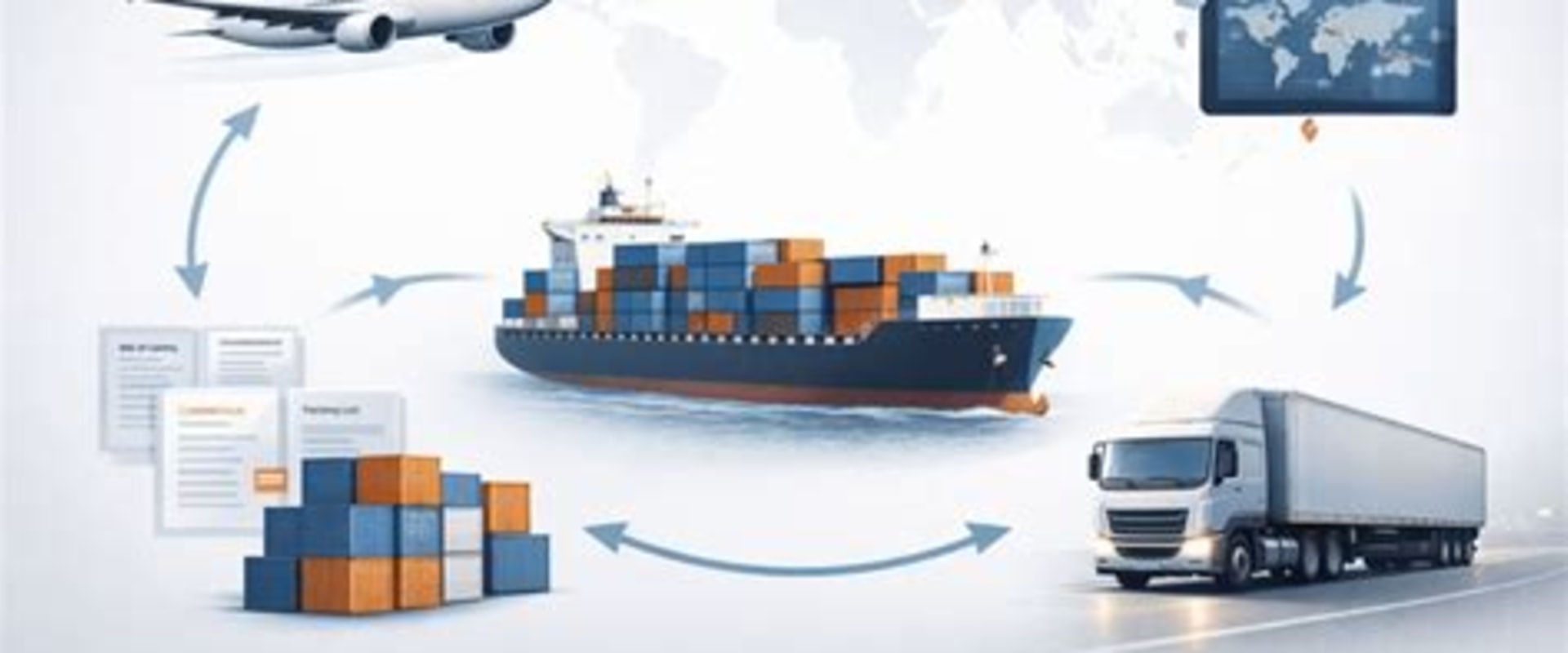
In the ever-evolving landscape of freight transportation, understanding the intricate web of logistics is crucial for businesses aiming to optimize their supply chains. Freight transportation encompasses the movement of goods from one location to another, utilizing various modes such as road, rail, air, and sea. As global trade continues to expand, the demand for efficient and reliable transportation solutions has never been greater. This is where the role of freight brokers becomes indispensable. Freight brokers act as intermediaries between shippers and carriers, facilitating the smooth transfer of goods while ensuring that both parties benefit from the transaction.
They possess a deep understanding of the logistics industry, allowing them to match shippers with the right carriers based on factors such as cost, capacity, and delivery timelines. By leveraging their extensive network and industry knowledge, freight brokers play a pivotal role in streamlining operations and reducing costs for businesses engaged in freight transportation.The importance of freight brokers cannot be overstated; they not only help businesses navigate the complexities of shipping but also provide valuable insights into market trends and regulatory requirements. In an industry where time is money, having a skilled freight broker can mean the difference between a successful shipment and costly delays. As we delve deeper into this topic, we will explore how freight brokers enhance efficiency in logistics and why they are essential partners in the world of freight transportation.
What is a Freight Broker?
A freight broker serves as a vital intermediary in the freight transportation industry, connecting shippers who need to transport goods with carriers who have the capacity to move those goods.This role is essential for ensuring that the logistics of shipping are handled efficiently and effectively.At its core, a freight broker acts as a facilitator, managing the complexities of the shipping process. They do not own trucks or warehouses; instead, they leverage their extensive network of carriers to find the best match for each shipment. This involves:
- Negotiating Rates: Freight brokers negotiate shipping rates with carriers to ensure competitive pricing for shippers while also securing fair compensation for carriers.
- Coordinating Logistics: They handle the logistics of transportation, including scheduling pickups and deliveries, tracking shipments, and ensuring compliance with regulations.
- Providing Customer Service: Brokers offer support to both shippers and carriers, addressing any issues that arise during transit and providing updates on shipment status.
- Load Matching: Identifying suitable carriers for specific loads based on factors like location, capacity, and equipment type.
- Documentation Management: Handling necessary paperwork such as bills of lading and customs documentation to ensure smooth transit.
- Insurance Coordination: Assisting in arranging cargo insurance to protect against potential losses during transportation.
The Importance of Freight Brokers in Transportation
In the realm of freight transportation, the role of a freight broker is pivotal.These professionals act as intermediaries between shippers who need to transport goods and carriers who have the capacity to move those goods. By facilitating this connection, freight brokers streamline the logistics process, ensuring that shipments are delivered efficiently and cost-effectively.
Importance of Freight Brokers
- Market Knowledge: Freight brokers possess extensive knowledge of the transportation market, including current rates, available carriers, and regional regulations. This expertise allows them to negotiate better rates and find suitable carriers for specific shipping needs.
- Time Savings: By handling the logistics and paperwork involved in freight transportation, brokers save shippers valuable time. This allows businesses to focus on their core operations rather than getting bogged down in logistics.
- Risk Management: Freight brokers help mitigate risks associated with shipping, such as delays or damage.
They often have established relationships with reliable carriers, which can lead to more secure and timely deliveries.
Benefits of Using a Freight Broker
- Cost Efficiency: Brokers can often negotiate lower shipping rates due to their volume of business and established relationships with carriers. This can lead to significant savings for shippers.
- Access to a Network: Freight brokers have access to a wide network of carriers, which means they can quickly find a suitable match for any shipment requirement, regardless of size or destination.
- Flexibility: In times of fluctuating demand or unexpected changes in shipping needs, freight brokers provide flexibility by quickly adapting to new circumstances and finding alternative solutions.
How Freight Brokers Operate
Understanding how freight brokers operate is essential for grasping their pivotal role in freight transportation.Freight brokers act as intermediaries between shippers who need to transport goods and carriers who provide the transportation services. Their operations can be broken down into several key processes.
- Identifying Shipper Needs: The first step in the freight brokerage process involves understanding the specific needs of the shipper. This includes details such as the type of goods, weight, dimensions, and delivery timelines.
- Carrier Selection: Once the shipper's requirements are clear, brokers tap into their extensive network of carriers to find suitable options. They evaluate carriers based on factors like reliability, capacity, and pricing.
- Negotiation: Freight brokers negotiate rates and terms with carriers to ensure competitive pricing for shippers while securing a profit margin for themselves.
This negotiation process is crucial in maintaining healthy relationships with both parties.
- Load Tracking: After securing a carrier, brokers monitor the shipment throughout its journey. They provide updates to shippers and address any issues that may arise during transit, ensuring smooth communication.
- Invoicing and Payment: Once the shipment is delivered, brokers handle invoicing for both shippers and carriers. They ensure that payments are processed efficiently, which is vital for maintaining trust and reliability in the freight transportation ecosystem.
Key Responsibilities of a Freight Broker
A freight broker plays a crucial role in the realm of freight transportation, acting as an intermediary between shippers and carriers.Their responsibilities are multifaceted, ensuring that goods are transported efficiently and cost-effectively. Here are some of the key duties of a freight broker:
- Negotiating Rates: One of the primary responsibilities of a freight broker is to negotiate shipping rates with carriers. They leverage their industry knowledge and relationships to secure competitive pricing, which can significantly impact the overall cost of freight transportation.
- Managing Logistics: Freight brokers coordinate the logistics of transporting goods from one location to another. This includes planning routes, scheduling pickups and deliveries, and ensuring that shipments arrive on time.
- Ensuring Compliance: Compliance with federal and state regulations is critical in freight transportation.
Freight brokers must ensure that all parties involved adhere to legal requirements, including safety standards and documentation.
- Building Relationships: Establishing strong relationships with both shippers and carriers is essential for a freight broker. These connections help them to better understand market trends, capacity issues, and service quality, which ultimately benefits their clients.
- Problem Solving: In the event of delays or issues during transit, freight brokers must act quickly to resolve problems. This may involve rerouting shipments, finding alternative carriers, or communicating with clients about changes.
Freight Brokers vs. Freight Agents: Understanding the Difference
In the realm of freight transportation, understanding the distinction between freight brokers and freight agents is crucial for businesses looking to optimize their shipping processes.While both play significant roles in facilitating the movement of goods, their functions and responsibilities differ markedly.
Defining Freight Brokers
Freight brokers act as intermediaries between shippers and carriers. They are responsible for negotiating contracts, securing transportation services, and ensuring that shipments are delivered on time. Brokers typically have a broader scope of operations, often managing multiple shipments simultaneously and maintaining relationships with various carriers to provide competitive rates and reliable service.The Role of Freight Agents
On the other hand, freight agents work under the umbrella of a freight brokerage firm. They are often independent contractors who help brokers find carriers for specific loads.While they may handle some customer interactions and logistics coordination, their primary role is to support the broker's operations rather than manage them independently.
Key Differences
- Independence: Freight brokers operate independently and are licensed to conduct business on their own, while freight agents typically work under a broker's authority.
- Responsibilities: Brokers handle the overall logistics and contractual agreements, whereas agents focus on finding carriers and facilitating specific shipments.
- Compensation: Brokers earn a commission based on the total shipment cost, while agents receive a percentage of the broker's commission for their contributions.
Challenges Faced by Freight Brokers in Transportation
Freight brokers play a crucial role in the freight transportation industry, but they also face a myriad of challenges that can impact their operations and profitability. Understanding these challenges is essential for anyone looking to navigate the complexities of freight brokerage.- Market Fluctuations: One of the most significant challenges freight brokers encounter is the volatility of the transportation market. Changes in demand, fuel prices, and economic conditions can lead to unpredictable rates and availability of carriers.
Brokers must stay informed and adapt quickly to these fluctuations to maintain competitive pricing and service levels.
- Regulatory Compliance: The freight transportation industry is heavily regulated, with various federal and state laws governing safety, environmental standards, and labor practices. Freight brokers must ensure compliance with these regulations to avoid penalties and maintain their reputation. This often requires ongoing education and investment in compliance management systems.
- Carrier Relationships: Building and maintaining strong relationships with carriers is vital for freight brokers. However, issues such as capacity shortages or poor service can strain these relationships.
Brokers must effectively communicate with carriers to ensure reliability while also managing expectations regarding pricing and service quality.
- Technological Advancements: The rise of technology in the logistics sector presents both opportunities and challenges for freight brokers. While technology can streamline operations and improve efficiency, brokers must also invest in new systems and tools to remain competitive. This includes adopting transportation management systems (TMS) and utilizing data analytics for better decision-making.
- Customer Expectations: As e-commerce continues to grow, customers expect faster delivery times and greater transparency in the shipping process. Freight brokers must find ways to meet these demands while managing costs.
This often involves enhancing communication channels and providing real-time tracking information.
The Future of Freight Brokerage in Transportation
The landscape of freight transportation is evolving rapidly, and the role of freight brokers is set to transform significantly in the coming years. As technology continues to advance, brokers will need to adapt to new tools and methodologies that enhance efficiency and improve service delivery.Emerging Trends in Freight Brokerage
One of the most notable trends is the increasing reliance on data analytics. Brokers are now utilizing big data to make informed decisions about routes, pricing, and carrier selection.This data-driven approach not only optimizes operations but also enhances customer satisfaction by providing real-time updates and transparency.
Impact of Technology on Freight Brokers
Technological innovations such as artificial intelligence (AI) and machine learning are also playing a crucial role in shaping the future of freight brokerage. These technologies can automate routine tasks, predict market trends, and even assist in risk management. For instance, AI algorithms can analyze historical shipping data to forecast demand fluctuations, allowing brokers to adjust their strategies proactively.The Rise of Digital Freight Platforms
The emergence of digital freight platforms is another significant trend. These platforms connect shippers directly with carriers, streamlining the booking process and reducing costs.While this may seem like a threat to traditional brokers, it actually presents an opportunity for them to evolve. By integrating with these platforms, brokers can enhance their service offerings and maintain their relevance in a competitive market.
Sustainability in Freight Transportation
As environmental concerns grow, sustainability will become a key focus for freight brokers. The industry is witnessing a shift towards greener practices, such as optimizing routes to reduce fuel consumption and adopting electric vehicles. Brokers who prioritize sustainability will not only meet regulatory requirements but also attract eco-conscious clients.In conclusion, the future of freight brokerage in transportation is poised for significant change driven by technology and evolving market demands.By embracing these trends, brokers can position themselves as indispensable partners in the logistics ecosystem.
FAQs About Freight Brokers and Transportation
When it comes to freight transportation, many people have questions about the role of a freight broker. Here are some of the most frequently asked questions:What is a freight broker?
A freight broker acts as an intermediary between shippers and carriers. They help businesses find reliable transportation for their goods while ensuring that carriers have enough loads to keep their trucks moving. By leveraging their industry knowledge and connections, freight brokers streamline the shipping process.How do freight brokers get paid?
Freight brokers typically earn a commission based on the total cost of the shipment.This fee is often a percentage of the freight charges, which can vary depending on the complexity of the shipment and the services provided. Shippers pay the broker, who then pays the carrier.
What services do freight brokers provide?
- Load matching: Connecting shippers with available carriers.
- Negotiation: Securing competitive rates for both shippers and carriers.
- Documentation: Handling necessary paperwork and compliance requirements.
- Tracking: Providing real-time updates on shipment status.
Do I need a freight broker for my shipments?
While it's possible to manage shipments independently, using a freight broker can save time and reduce stress. Brokers have extensive networks and expertise in freight transportation, which can lead to better rates and more efficient logistics.What should I look for in a freight broker?
When selecting a freight broker, consider the following factors:- Experience: Look for brokers with a proven track record in your industry.
- Licensing: Ensure they are licensed by the Federal Motor Carrier Safety Administration (FMCSA).
- Reputation: Check reviews and testimonials from other shippers.
- Technology: Evaluate their use of technology for tracking and communication.
Conclusion: The Vital Role of Freight Brokers in Modern Transportation
In conclusion, the role of freight brokers in the realm of freight transportation is not only significant but also multifaceted. As intermediaries between shippers and carriers, they facilitate the smooth movement of goods across various distances, ensuring that products reach their destinations efficiently and cost-effectively.Throughout this article, we have explored several key functions that highlight the importance of freight brokers:- Market Knowledge: Freight brokers possess extensive knowledge of the transportation market, including current rates, available carriers, and regional regulations.
This expertise allows them to provide valuable insights to shippers.
- Negotiation Skills: They negotiate favorable terms and rates with carriers, which can lead to significant cost savings for shippers. Their ability to leverage relationships within the industry is crucial.
- Logistical Coordination: Freight brokers manage the logistics of shipping, including route planning and tracking shipments. This coordination minimizes delays and enhances overall efficiency.
- Risk Management: By vetting carriers and ensuring compliance with safety regulations, freight brokers help mitigate risks associated with transportation, providing peace of mind to shippers.
By leveraging the expertise of these professionals, companies can enhance their supply chain efficiency and focus on their core operations while leaving the complexities of transportation in capable hands.