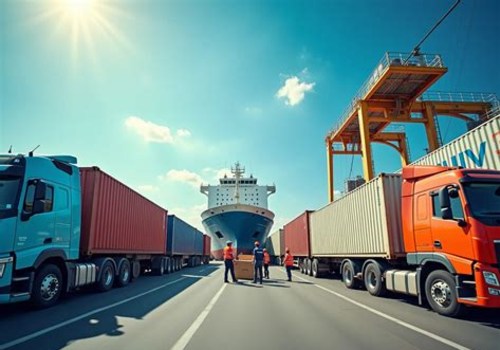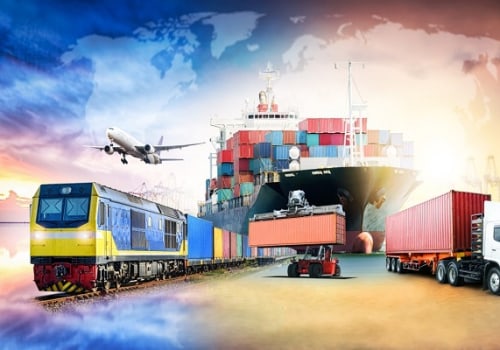
Freight transportation plays a crucial role in the global economy, serving as the backbone of international trade. It encompasses the movement of goods by various means, including trucks, ships, trains, and planes. As businesses expand their reach across borders, understanding the intricacies of freight transportation becomes essential. This mode of transport not only facilitates the exchange of products but also significantly impacts supply chain efficiency and cost management. However, while freight transportation is indispensable for modern commerce, it is not without its challenges.
The disadvantages of freight transportation can affect businesses and consumers alike. Factors such as rising fuel costs, regulatory hurdles, and environmental concerns can complicate logistics and increase operational expenses. Additionally, delays caused by weather conditions or port congestion can disrupt schedules and lead to financial losses. As we delve deeper into this topic, it is important to recognize these freight shipping drawbacks. By understanding the potential pitfalls associated with freight transportation, businesses can better prepare for the complexities of moving goods efficiently and effectively.
This awareness not only aids in strategic planning but also fosters a more resilient supply chain capable of adapting to unforeseen challenges.
High Costs Associated with Freight Transportation
When considering freight transportation, one of the most significant drawbacks is the high costs associated with it. These expenses can vary widely depending on several factors, including the mode of transport, distance, and the type of goods being shipped.Fuel costs
are a primary contributor to the overall expense of freight shipping. Fluctuations in fuel prices can dramatically affect shipping rates, making it challenging for businesses to budget effectively. For instance, a sudden spike in oil prices can lead to increased freight shipping costs, which may be passed on to consumers.Another critical factor is labor costs.The logistics industry often requires skilled labor for loading, unloading, and transporting goods. As wages rise and labor shortages become more common, these costs can significantly impact the overall price of freight transportation.Additionally, maintenance and operational costs for vehicles and equipment used in freight transportation can add up quickly. Regular maintenance is essential to ensure safety and efficiency, but it also represents a recurring expense that businesses must account for.
- Insurance: Protecting goods in transit requires insurance coverage, which can be costly depending on the value and nature of the cargo.
- Tolls and Fees: Many routes involve tolls or fees that further increase the cost of transportation.
- Packaging: Proper packaging is necessary to prevent damage during transit, adding another layer of expense.
Environmental Impact of Freight Transportation
The environmental impact of freight transportation is a growing concern as global trade continues to expand.The logistics involved in moving goods from one location to another contribute significantly to greenhouse gas emissions, which are a major driver of climate change.One of the primary issues is the carbon footprint of shipping. Different modes of freight transportation—such as trucks, ships, and trains—emit varying levels of carbon dioxide and other pollutants. For instance, while shipping by sea is generally more fuel-efficient than road transport, it still contributes to air pollution and oceanic degradation through oil spills and ballast water discharge.
Resource Consumption
In addition to emissions, freight transportation consumes vast amounts of natural resources. The production and maintenance of vehicles, infrastructure, and packaging materials require energy and raw materials, often leading to habitat destruction and depletion of non-renewable resources.This resource consumption raises questions about the sustainability in freight practices.
- Trucking: Heavy reliance on diesel trucks not only increases air pollution but also contributes to noise pollution, affecting both human populations and wildlife.
- Maritime Shipping: While it is more efficient for bulk goods, maritime shipping can lead to significant marine pollution and disruption of aquatic ecosystems.
- Rail Transport: Although rail is one of the most environmentally friendly options, it still requires substantial land use and can disrupt local wildlife habitats.
Delays and Reliability Issues in Freight Transportation
Delays in freight transportation can significantly impact the overall efficiency of supply chains. These delays can arise from various factors, including weather conditions, traffic congestion, and mechanical failures.For instance, severe weather events such as storms or heavy snowfall can halt transportation routes, leading to extended delivery times. Additionally, unexpected traffic conditions can cause further delays, especially in urban areas where logistics operations are heavily concentrated.Another critical aspect affecting the reliability of shipping services is the coordination between different modes of transport. When freight is transferred from one mode to another—such as from truck to rail—there is a potential for delays due to scheduling conflicts or miscommunication among logistics providers. This lack of synchronization can lead to bottlenecks in the supply chain, ultimately affecting customer satisfaction.Moreover, logistics challenges such as inadequate infrastructure can exacerbate these issues.
Poorly maintained roads and insufficient port facilities can lead to longer loading and unloading times, further contributing to delays. Companies that rely on freight transportation must be aware of these potential pitfalls and develop strategies to mitigate their impact.
- Weather-related delays: Natural events can disrupt schedules.
- Traffic congestion: Urban areas often face significant delays.
- Coordination issues: Transitions between transport modes can lead to inefficiencies.
- Poor infrastructure: Inadequate facilities can slow down operations.
Complex Regulations and Compliance Challenges
In the realm of freight transportation, navigating the complex web of regulations and compliance requirements can pose significant challenges for businesses. The regulatory landscape is often multifaceted, varying not only by country but also by state and local jurisdictions.This complexity can lead to confusion and potential legal pitfalls for companies engaged in shipping goods.
Freight transportation regulations
encompass a wide range of areas, including safety standards, environmental laws, and labor regulations. For instance, the Federal Motor Carrier Safety Administration (FMCSA) in the United States imposes strict guidelines on commercial vehicle operations, which must be adhered to by freight carriers. Failure to comply with these regulations can result in hefty fines, legal action, and even the suspension of operating licenses.Moreover, compliance issues in shipping are not limited to domestic regulations. International freight transport involves additional layers of complexity due to customs regulations and trade agreements.Companies must ensure that their shipments meet the requirements of both the exporting and importing countries, which can include documentation, tariffs, and inspections.
- Documentation Requirements: Accurate paperwork is crucial in freight transportation. Missing or incorrect documents can lead to delays and increased costs.
- Customs Compliance: Understanding customs regulations is essential for international shipping. Non-compliance can result in cargo being held or rejected at borders.
- Environmental Regulations: Many regions have stringent environmental laws that affect how goods are transported, requiring companies to invest in cleaner technologies.
Companies must remain vigilant and proactive in understanding and adhering to these regulations to avoid costly repercussions.
Risk of Damage and Loss During Transit
One of the significant disadvantages of using freight transportation is the inherent risk of damage and loss during transit. Businesses that rely on freight services must be acutely aware of these risks, as they can lead to substantial financial losses and operational disruptions.When goods are transported over long distances, they are exposed to various hazards that can compromise their integrity. These include:- Handling Errors: Improper loading and unloading practices can result in physical damage to goods.
- Environmental Factors: Exposure to extreme temperatures, moisture, or other environmental conditions can adversely affect sensitive products.
- Theft and Vandalism: Freight shipments are often targets for theft, especially when they contain high-value items.
- Financial Loss: The cost of replacing damaged goods can be significant, impacting profit margins.
- Customer Dissatisfaction: Delays or issues with product quality can lead to unhappy customers and potential loss of future business.
- Increased Insurance Premiums: Frequent claims for damaged or lost goods can lead to higher insurance costs.
This coverage can provide a safety net against potential losses, but it is essential to understand the terms and conditions thoroughly. Not all policies cover every type of damage or loss, so businesses should carefully evaluate their options and choose a plan that aligns with their specific needs.In conclusion, while freight transportation is a vital component of global trade, the risks associated with damage and loss during transit cannot be overlooked. Businesses must implement robust risk management strategies to protect their assets and ensure smooth operations.
Limited Flexibility in Freight Transportation Options
One of the significant drawbacks of freight transportation is its limited flexibility, particularly when compared to other logistics solutions. This inflexibility can hinder a company's ability to respond swiftly to market changes and customer demands.Different modes of freight transport, such as trucking, rail, air, and sea, each come with their own set of constraints.For instance:
- Trucking: While trucks offer door-to-door service, they are often subject to traffic conditions and road regulations that can delay shipments.
- Rail: Although rail transport is cost-effective for bulk goods, it lacks the adaptability needed for smaller shipments and requires additional handling to transfer goods to final destinations.
- Air: Air freight is the fastest option but is also the most expensive and may not be suitable for all types of goods, especially those that are bulky or heavy.
- Sea: Shipping by sea is economical for large volumes but can take weeks, making it less responsive to urgent market needs.
- Inability to Meet Demand: Companies may struggle to fulfill orders promptly if their chosen mode of freight transportation cannot accommodate sudden spikes in demand.
- Increased Costs: When flexibility is lacking, businesses may incur additional costs due to expedited shipping or penalties for late deliveries.
- Customer Dissatisfaction: Delays and inconsistencies in delivery can lead to unhappy customers, potentially damaging a company's reputation.
Conclusion: Weighing the Disadvantages of Freight Transportation
In conclusion, while freight transportation plays a crucial role in global trade and logistics, it is essential to recognize the various disadvantages that can impact businesses and consumers alike. Understanding these drawbacks can help stakeholders make informed decisions when selecting transportation methods. Some of the key disadvantages include:- High Costs: Freight transportation can be expensive, especially for long distances or specialized cargo. Costs can escalate due to fuel prices, tolls, and handling fees.
- Environmental Impact: The carbon footprint associated with freight transportation is significant.
Heavy reliance on trucks and ships contributes to air pollution and climate change.
- Delays and Reliability Issues: Freight transportation is often subject to delays caused by weather conditions, traffic congestion, or logistical challenges. These delays can disrupt supply chains and affect customer satisfaction.
- Complex Regulations: Navigating the regulatory landscape can be challenging. Different regions have varying laws regarding freight transport, which can complicate shipping processes.
- Risk of Damage or Loss: Cargo is vulnerable to damage during transit. The risk of theft or loss also exists, particularly in high-value shipments.
By doing so, they can develop strategies that mitigate risks and enhance efficiency in their supply chain operations.