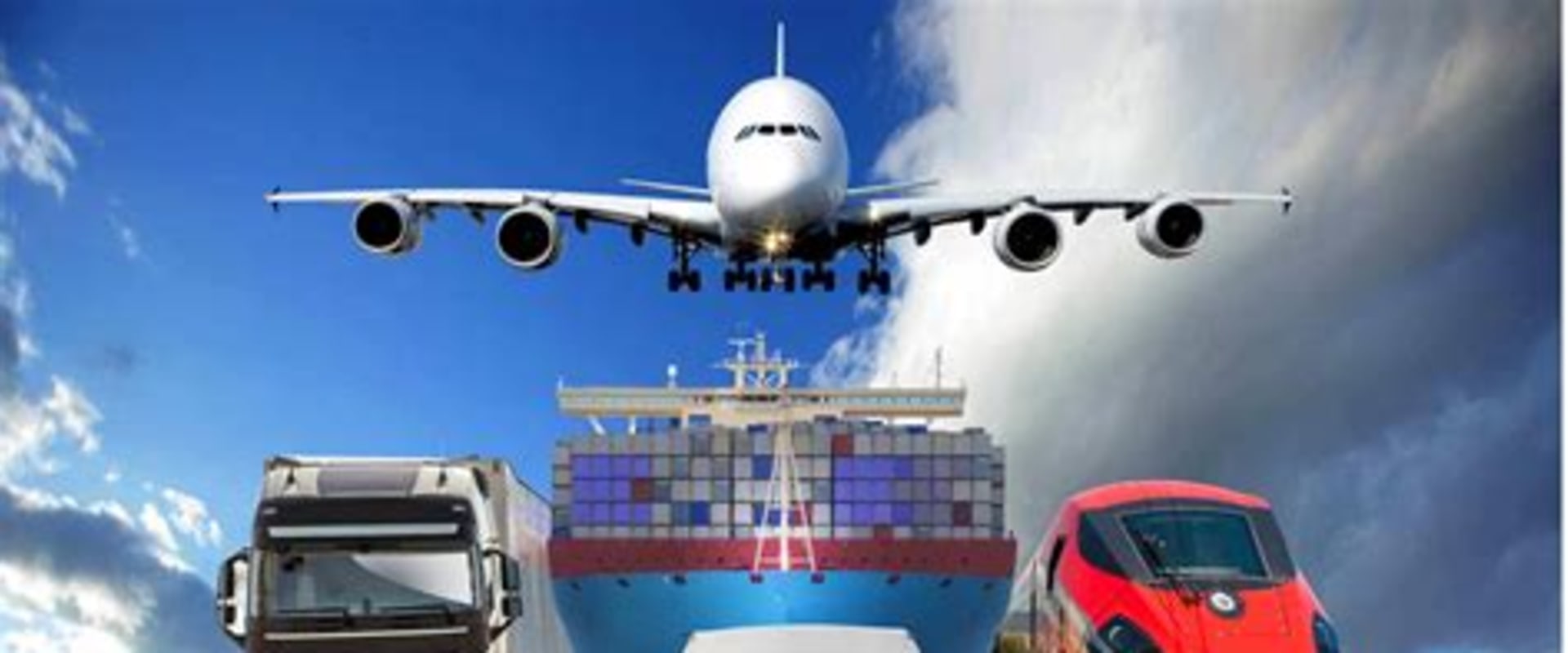
In the world of logistics and supply chain management, freight transportation plays a pivotal role in ensuring that goods move efficiently from one point to another. Understanding the various types of freight transportation is essential for businesses looking to optimize their shipping processes. From road and rail to air and sea, each mode of transportation offers unique advantages and challenges that can significantly impact delivery times, costs, and overall service quality. The importance of freight transportation cannot be overstated; it is the backbone of global trade and commerce. Efficient freight movement not only enhances customer satisfaction but also contributes to a company’s bottom line by reducing operational costs.
As businesses expand their reach into new markets, the need for reliable and effective transportation solutions becomes even more critical. Choosing the right mode of transportation involves careful consideration of various factors, including the nature of the goods being shipped, delivery timelines, budget constraints, and environmental impact. By understanding these elements, businesses can make informed decisions that align with their logistical needs and strategic goals. This section sets the stage for a deeper exploration into how to select the most suitable transportation method for your freight needs.
Factors to Consider When Choosing Freight Transportation
Choosing the right mode of freight transportation is a critical decision that can significantly impact your supply chain efficiency and overall costs. Several key factors should be considered to ensure that you make an informed choice.- Cost: The cost of transportation is often the primary factor influencing your decision.
Different modes, such as trucking, rail, air, and sea, come with varying price points. For instance, while air freight is the fastest, it is also the most expensive. Conversely, shipping by sea is more economical for large volumes but takes longer.
- Speed: The urgency of your shipment plays a vital role in selecting a transportation mode. If time is of the essence, air freight may be necessary despite its higher cost.
On the other hand, if you can afford to wait, ground or rail transport might be more suitable.
- Distance: The distance between the origin and destination affects not only cost but also the choice of transportation. For short distances, trucking may be ideal, while long distances might favor rail or maritime options due to their efficiency over large spans.
- Type of Goods: The nature of the goods being transported is crucial. Perishable items require faster modes like air freight or refrigerated trucks, while bulk commodities can be efficiently transported via rail or sea. Additionally, hazardous materials have specific regulations that may limit transportation options.
- Reliability: The reliability of the transportation mode is essential for maintaining schedules and customer satisfaction.
Researching carriers' track records and service levels can help you choose a dependable option.
Overview of Freight Transportation Modes
When it comes to freight transportation, selecting the right mode is crucial for ensuring timely and cost-effective delivery. Each mode of transportation has its own set of advantages and disadvantages, making it essential to understand the options available.Road Freight
Road freight is one of the most common modes of freight transportation. It offers flexibility and accessibility, allowing goods to be transported directly from the sender to the receiver without the need for additional handling.However, road transport can be affected by traffic conditions and weather, which may lead to delays.
- Advantages: Flexibility, door-to-door service, and relatively low costs for short distances.
- Disadvantages: Vulnerable to traffic delays and limited by road infrastructure.
Rail Freight
Rail freight is an efficient option for transporting large volumes of goods over long distances. It is often more environmentally friendly than road transport and can handle heavy loads. However, rail transport requires access to rail networks, which may not be available in all areas.- Advantages: Cost-effective for bulk shipments and lower carbon footprint.
- Disadvantages: Limited routes and longer transit times compared to road transport.
Air Freight
For urgent shipments, air freight is the fastest mode of transportation. It is ideal for high-value or perishable goods that need to reach their destination quickly.However, air freight can be significantly more expensive than other modes.
- Advantages: Speed and reliability for time-sensitive deliveries.
- Disadvantages: High costs and weight restrictions on cargo.
Sea Freight
Sea freight is the most economical choice for transporting large quantities of goods internationally. It is suitable for bulky items but has longer transit times compared to other modes. Additionally, sea transport is subject to port availability and weather conditions.- Advantages: Cost-effective for large shipments and minimal environmental impact per ton-mile.
- Disadvantages: Longer transit times and potential delays due to port congestion.
Cost Analysis of Different Freight Transportation Modes
When it comes to freight transportation, understanding the cost implications of each mode is crucial for effective budgeting. Different modes of transportation—such as road, rail, air, and sea—offer varying cost structures that can significantly impact your overall logistics expenses.Cost Comparison of Freight Modes
Here’s a breakdown of the primary modes of freight transportation and their associated costs:- Road Transportation: Generally, this mode is more flexible and can be cost-effective for short distances.
However, costs can escalate due to fuel prices, tolls, and driver wages.
- Rail Transportation: While rail is often cheaper for bulk shipments over long distances, it requires additional costs for loading and unloading at terminals. It’s ideal for heavy goods but less flexible than road transport.
- Air Transportation: This is the fastest mode but also the most expensive. It’s suitable for high-value or time-sensitive shipments. Budgeting for air freight should account for both shipping costs and potential customs fees.
- Sea Transportation: The most economical option for large volumes over long distances.
However, it involves longer transit times and additional costs related to port handling and customs clearance.
Budgeting for Freight Transport
When budgeting for freight transport, consider not only the direct shipping costs but also ancillary expenses such as:- Insurance premiums
- Customs duties and taxes
- Packaging and handling fees
- Storage costs if delays occur
Speed vs. Reliability in Freight Transportation
When it comes to freight transportation, businesses often face a critical decision: should they prioritize speed or reliability? Understanding the trade-offs between these two factors is essential for ensuring that goods reach their destinations in a manner that aligns with operational goals.Speed
is often a key consideration, especially for businesses that operate in fast-paced industries. Fast freight options, such as air freight or expedited ground services, can significantly reduce transit times.
However, these options typically come at a higher cost. For instance, while air freight can deliver goods across the country in a matter of hours, it may not be the most economical choice for all shipments.On the other hand, reliability is equally important. Reliable freight transport ensures that shipments arrive on time and in good condition. This is particularly crucial for businesses that depend on just-in-time inventory systems or have strict delivery deadlines.
Choosing a mode of transportation known for its reliability, such as rail or dedicated trucking services, can mitigate risks associated with delays and damage.To make an informed decision, consider the following factors:
- Nature of Goods: Perishable items may require faster shipping methods, while durable goods can afford longer transit times.
- Delivery Deadlines: Assess whether your business can tolerate delays or if timely delivery is non-negotiable.
- Cost Considerations: Weigh the costs of faster shipping against potential losses from delays.
- Carrier Reputation: Research carriers' track records for both speed and reliability to find a balance that suits your needs.
Environmental Impact of Freight Transportation Choices
When selecting a mode of freight transportation, understanding the environmental impact is crucial for businesses aiming to adopt sustainable practices. Each transportation method has its own carbon footprint and ecological implications, which can significantly influence a company's overall sustainability strategy.Carbon Emissions by Mode
- Road Transport: While flexible and widely used, trucking is one of the highest contributors to greenhouse gas emissions in the freight sector. The reliance on diesel fuel exacerbates this issue, making it essential for companies to consider alternatives.
- Rail Transport: Generally more efficient than road transport, rail freight produces lower emissions per ton-mile.
It is particularly effective for bulk goods over long distances, making it a more sustainable freight option.
- Maritime Shipping: Although ships can carry large volumes of goods, they also contribute significantly to ocean pollution and carbon emissions. However, advancements in technology are leading to cleaner shipping methods.
- Air Freight: This mode is the fastest but also the most carbon-intensive. Businesses should reserve air freight for high-value or time-sensitive shipments to minimize its environmental impact.
Sustainable Freight Options
To mitigate the environmental impact of freight transportation, companies can explore several sustainable options:- Alternative Fuels: Utilizing biodiesel, electric trucks, or hydrogen fuel cells can significantly reduce emissions associated with traditional fossil fuels.
- Intermodal Transportation: Combining different modes of transport can optimize efficiency and reduce overall emissions. For example, using rail for long distances and trucks for last-mile delivery can be effective.
- Eco-Friendly Packaging: Reducing packaging waste not only lowers transportation costs but also minimizes the environmental footprint associated with shipping materials.
By choosing eco-friendly shipping methods and considering innovative solutions, companies can enhance their logistics strategies while contributing positively to the environment.
Case Studies: Successful Freight Transportation Strategies
Understanding the nuances of freight transportation can significantly impact a business's bottom line. Here are some real-world examples that showcase successful logistics strategies in selecting the right mode of transportation.Case Study 1: E-commerce Retailer
A leading e-commerce retailer faced challenges in delivering products quickly to customers across the country. They opted for a hybrid approach, utilizing both air freight for urgent deliveries and ground transportation for standard shipments. This strategy allowed them to reduce delivery times by 30% while managing costs effectively.By analyzing customer demand patterns, they optimized their shipping routes, ensuring that they met customer expectations without overspending.
Case Study 2: Perishable Goods Supplier
A supplier of perishable goods needed to ensure that their products reached grocery stores in optimal condition. They chose refrigerated trucking as their primary mode of freight transportation. This decision was based on the need for temperature control and timely delivery. By implementing GPS tracking and real-time monitoring, they minimized spoilage rates and improved customer satisfaction, demonstrating how critical it is to align transportation methods with product requirements.Case Study 3: Manufacturing Company
A manufacturing company that produced heavy machinery faced high shipping costs when using traditional freight methods.They transitioned to intermodal transportation, combining rail and truck services. This shift not only reduced their shipping expenses by 20% but also enhanced their sustainability efforts by lowering carbon emissions associated with long-haul trucking. The case illustrates how evaluating different modes can lead to cost savings and environmental benefits.These case studies highlight the importance of assessing specific business needs, product types, and customer expectations when choosing a mode of freight transportation. By learning from these examples, businesses can develop tailored strategies that enhance efficiency and profitability.
Frequently Asked Questions about Freight Transportation
When it comes to freight transportation, many individuals and businesses have questions that can significantly impact their shipping decisions.Here are some of the most frequently asked questions:
- What are the different modes of freight transportation?
The primary modes include:- Road: Ideal for short distances and flexible routes.
- Rail: Cost-effective for bulk shipments over long distances.
- Air: Fastest option, suitable for high-value or time-sensitive goods.
- Sea: Best for large volumes, though slower than other methods.
- How do I determine the best mode for my shipment?
Consider factors such as:- Cost: Evaluate your budget and compare rates across different modes.
- Speed: Assess how quickly you need the goods delivered.
- Distance: Longer distances may favor rail or sea transport.
- Type of goods: Fragile items may require air transport for safety.
- What are the common challenges in freight transportation?
Some challenges include:- Delays: Weather, traffic, and customs can all cause delays.
- Damage: Improper handling can lead to damaged goods.
- Regulations: Compliance with local and international shipping laws is crucial.
- How can I track my shipment?
Most freight carriers provide tracking services. You can use:- Your carrier's website or app to enter your tracking number.
- Email notifications for updates on your shipment status.
Conclusion: Making Informed Decisions in Freight Transportation
In conclusion, selecting the right mode of freight transportation is a critical decision that can significantly impact your supply chain efficiency and overall business success. Throughout this article, we have explored various factors that influence this choice, including cost, speed, reliability, and the nature of the goods being transported.To make informed decisions, consider the following key points:- Understand Your Freight Needs: Assess the type of goods you are shipping, their dimensions, weight, and any special handling requirements. This understanding will guide you in choosing the most suitable transportation method.
- Evaluate Cost vs.
Speed:
While faster options like air freight may be appealing, they often come at a higher cost. Weigh the urgency of your shipment against your budget to find a balance that works for your business. - Consider Reliability: Research carriers and their track records for on-time delivery. A reliable service can save you from potential delays and additional costs.
- Environmental Impact: With growing concerns about sustainability, consider the environmental footprint of your chosen transportation mode. Options like rail or sea freight may offer greener alternatives.
By doing so, you can enhance your logistics strategy, improve customer satisfaction, and maintain a competitive edge in your industry.