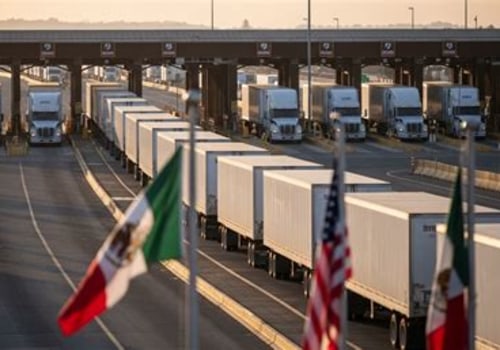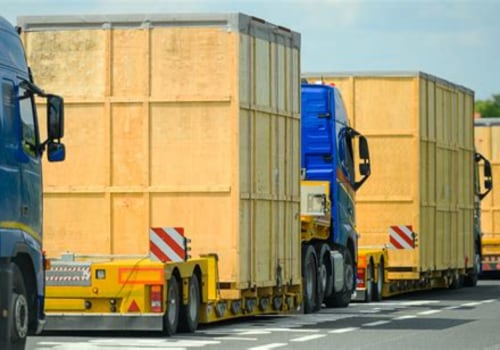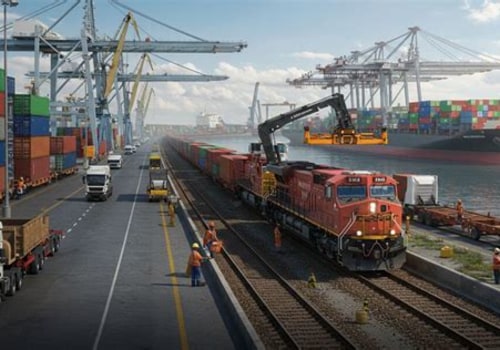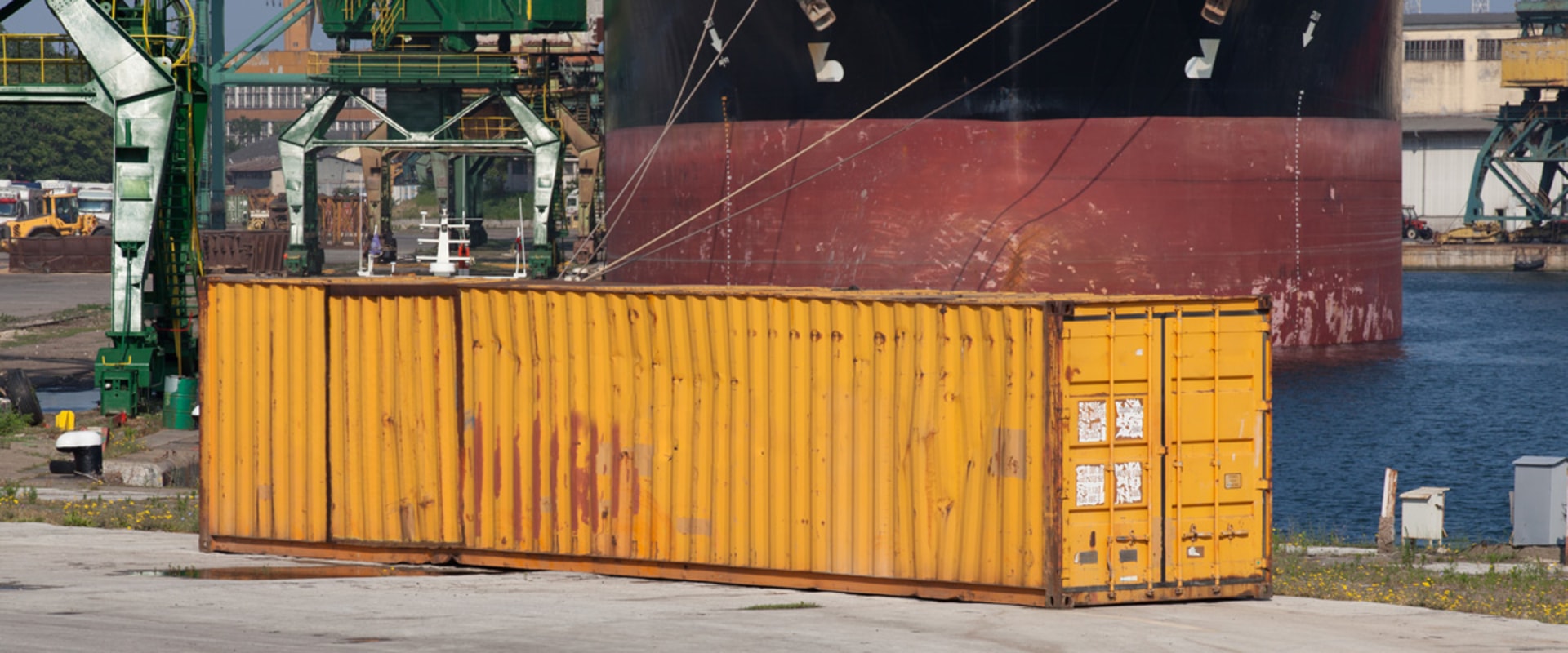
In the realm of freight transportation, the movement of goods across vast distances is a cornerstone of global trade. This intricate process involves various modes of transport, including road, rail, air, and sea, each playing a vital role in ensuring that products reach their destinations efficiently. However, the journey is not without its challenges. From logistical issues to unforeseen circumstances, the potential for damage or loss of goods looms large over the industry. One of the most pressing challenges in freight transportation is the risk associated with handling and transporting goods.
Whether it’s due to inadequate packaging, rough handling during transit, or environmental factors, damaged goods can lead to significant financial losses and disrupt supply chains. Additionally, lost shipments can create a ripple effect, impacting inventory levels and customer satisfaction. Understanding these challenges is crucial for businesses that rely on freight services to maintain their competitive edge. As we delve deeper into the complexities of freight transportation, it becomes evident that addressing these issues requires a multifaceted approach. Companies must implement robust logistics strategies, invest in quality packaging materials, and establish clear communication channels with their freight partners.
By doing so, they can mitigate risks and enhance the overall efficiency of their operations.
Common Causes of Damage or Loss in Freight Transportation
Understanding the common causes of damage or loss in freight transportation is crucial for businesses aiming to minimize risks and protect their assets. Several factors contribute to these issues, and recognizing them can help in implementing effective preventive measures.- Handling Errors: One of the primary causes of damage during freight transportation is improper handling. This can occur at various stages, including loading, unloading, and transit. For instance, if workers are not adequately trained or if equipment is malfunctioning, goods may be dropped or mishandled, leading to significant damage.
- Environmental Conditions: Freight is often exposed to various environmental factors such as temperature fluctuations, humidity, and moisture.
Sensitive items like electronics or perishables can suffer irreversible damage if not properly protected against these conditions. For example, a shipment of food products may spoil if exposed to excessive heat during transport.
- Inadequate Packaging: The packaging of goods plays a vital role in their protection during transit. Insufficient or inappropriate packaging can lead to breakage or deterioration. Using the right materials and techniques for packaging is essential to ensure that items withstand the rigors of transportation.
- Vehicle Conditions: The condition of the transport vehicle itself can also impact the safety of freight.
Poorly maintained vehicles may experience mechanical failures that could result in accidents or delays, increasing the risk of lost goods.
- Theft and Pilferage: Unfortunately, theft remains a significant risk in freight transportation. Goods can be stolen during transit or while stored in warehouses if security measures are inadequate. Implementing robust security protocols is essential to mitigate this risk.
Preventive Measures to Minimize Risks
In the realm of freight transportation, minimizing the risk of damage or loss is crucial for maintaining operational efficiency and customer satisfaction. Implementing effective preventive measures can significantly reduce the likelihood of encountering issues during transit.Proper Packaging Techniques
One of the most effective ways to prevent freight damage is through proper packaging.Here are some best practices:
- Use Quality Materials: Invest in high-quality packaging materials that can withstand the rigors of transportation. This includes sturdy boxes, bubble wrap, and protective padding.
- Secure Items Properly: Ensure that items are securely packed to prevent movement during transit. Use dividers or cushioning to keep products stable.
- Label Clearly: Clearly label packages with handling instructions, such as "Fragile" or "This Side Up," to inform carriers about special care requirements.
Choosing Reliable Carriers
Selecting a trustworthy carrier is essential in risk management in shipping. Research potential carriers by considering their:- Reputation: Look for carriers with positive reviews and a proven track record of safe deliveries.
- Insurance Options: Ensure that the carrier offers adequate insurance coverage for your goods, providing peace of mind in case of unforeseen incidents.
- Experience: Choose carriers who specialize in transporting your specific type of goods, as they will be more familiar with the necessary precautions.
Implementing Tracking Systems
The use of advanced tracking systems can greatly enhance visibility throughout the shipping process.By implementing these systems, businesses can:
- Monitor Shipments in Real-Time: Keep an eye on the location and condition of goods during transit, allowing for quick responses to any issues that arise.
- Analyze Data: Use tracking data to identify patterns or recurring issues, enabling proactive adjustments to shipping practices.
What to Do When Goods Are Damaged or Lost
When dealing with damaged or lost goods during freight transportation, it is crucial to act swiftly and methodically to ensure that you can recover your losses. Here are the essential steps to follow:- Document the Damage: As soon as you notice any damage, take clear photographs of the affected items, packaging, and any visible signs of mishandling. This documentation will be vital for your claim.
- Notify the Carrier: Contact the freight carrier immediately to report the damage or loss. Most carriers have specific time frames within which you must report issues, so prompt communication is key.
- Review Your Shipping Agreement: Check the terms and conditions of your shipping contract.
This will help you understand your rights and responsibilities regarding claims for damaged or lost goods.
- Gather Necessary Documentation: Prepare all relevant documents, including the bill of lading, invoices, and any correspondence with the carrier. This information will support your claim.
- File a Claim: Follow the carrier's claims process, which may involve filling out specific forms and submitting your documentation. Be thorough and precise in your submission to avoid delays.
- Confirm Loss: Ensure that the goods are indeed lost and not just delayed. Check tracking information and contact the carrier for updates.
- Submit a Lost Freight Claim: Just like with damaged goods, you will need to file a claim for lost items.
Include all relevant details about the shipment and any tracking information.
Understanding Insurance Options for Freight Transportation
When it comes to freight transportation, understanding the various insurance options available is crucial for protecting your shipments against potential losses and damages. Freight insurance serves as a safety net, ensuring that you are financially covered in the event of unforeseen circumstances.Types of Freight Insurance:
- Cargo Insurance: This is the most common type of insurance for freight transportation.
It covers loss or damage to goods while they are in transit, whether by land, sea, or air. Cargo insurance can be tailored to fit specific needs, including coverage for theft, damage from accidents, and natural disasters.
- General Liability Insurance: While not specific to freight, this insurance protects against claims of bodily injury or property damage that may occur during the shipping process. It’s essential for freight companies to have this coverage to safeguard against legal liabilities.
- Freight Forwarder Liability Insurance: This type of insurance is designed for freight forwarders and covers their liability in case of loss or damage to cargo while under their care. It’s important for businesses that rely on third-party logistics providers.
The Importance of Cargo Insurance:
Investing in cargo insurance is vital for any business involved in freight transportation.
Without it, companies risk significant financial losses that could jeopardize their operations. For instance, if a shipment is lost at sea or damaged during transit, the costs associated with replacing those goods can be substantial. Cargo insurance mitigates these risks by providing compensation based on the value of the goods insured.
Protecting Your Shipments:
To effectively protect your shipments, consider the following steps:
- Assess Your Needs: Evaluate the value and nature of your goods to determine the appropriate level of coverage.
- Choose a Reputable Insurer: Work with an established insurance provider that specializes in freight transportation.
- Read the Fine Print: Understand the terms and conditions of your policy, including exclusions and limitations.
Legal Considerations in Freight Damage Claims
When dealing with freight transportation, understanding the legal considerations surrounding damaged or lost goods is crucial for both shippers and carriers. The legal framework governing these issues can vary significantly based on jurisdiction, the nature of the goods, and the terms of the shipping contract.Liability in Shipping
Liability for damaged or lost goods typically falls under the terms outlined in the shipping contract.
Most contracts will specify whether the carrier is liable for damages and under what circumstances. Common liability frameworks include:
- Common Carrier Liability: Carriers are generally liable for loss or damage unless they can prove that it resulted from an act of God, an inherent defect in the goods, or negligence on the part of the shipper.
- Contractual Liability: This arises from specific agreements between shippers and carriers, which may limit or expand liability based on negotiated terms.
- Statutory Liability: Various laws, such as the Carmack Amendment in the U.S., govern interstate freight transportation and establish carrier liability standards.
Freight Transportation Laws
In addition to contractual obligations, several federal and state laws impact freight transportation. For instance, the Carmack Amendment provides a uniform standard for liability in interstate shipments, making it easier for shippers to file claims for lost or damaged goods. Understanding these laws is essential for navigating claims effectively.Moreover, shippers should be aware of any applicable insurance policies that may cover losses during transit.
Many carriers offer insurance options that can provide additional protection beyond standard liability limits.In conclusion, navigating the legal landscape of freight transportation damage claims requires a thorough understanding of liability issues and relevant laws. Shippers should ensure they are well-informed about their rights and responsibilities to effectively manage potential disputes over damaged or lost goods.
Frequently Asked Questions About Damaged or Lost Goods in Freight Transportation
When it comes to freight transportation, dealing with damaged or lost goods can be a significant concern for both shippers and recipients. Here are some frequently asked questions that can help clarify the process and what to expect.What should I do if my goods are damaged during transit?
If you discover that your goods are damaged upon arrival, the first step is to document the damage thoroughly. Take clear photographs of the damaged items and the packaging.Next, notify your carrier immediately, as most companies have specific time frames for reporting damage. Additionally, review your shipping contract to understand the claims process.
How can I file a claim for lost or damaged freight?
To file a claim, you typically need to provide:- A copy of the bill of lading
- Proof of value (such as invoices)
- Documentation of the damage (photos, inspection reports)
- A completed claim form from the carrier
What are common causes of freight damage?
Freight damage can occur due to various reasons, including:- Poor packaging or insufficient protection
- Improper handling during loading and unloading
- Environmental factors such as moisture or extreme temperatures
- Accidents during transportation
Are there insurance options for freight transportation?
Yes, many carriers offer insurance options for freight shipments. This insurance can cover loss or damage during transit. It’s advisable to evaluate your coverage needs based on the value of your goods and the risks associated with your shipping route.By addressing these common concerns and understanding the processes involved, you can navigate issues related to damaged or lost goods in freight transportation more effectively.Conclusion: Key Takeaways on Handling Damaged or Lost Goods in Freight Transportation
In conclusion, effectively managing damaged or lost goods during freight transportation is crucial for maintaining operational efficiency and customer satisfaction.Throughout this article, we have explored several key strategies that can help mitigate the risks associated with freight losses.Proactive Measures: One of the most effective ways to handle potential issues is through proactive measures. This includes conducting thorough inspections of goods before shipment, ensuring proper packaging, and utilizing tracking technologies. By taking these steps, businesses can significantly reduce the likelihood of damage or loss.Understanding Insurance Options: Another critical aspect is understanding the various insurance options available for freight transportation. Having the right coverage can provide peace of mind and financial protection in case of unforeseen incidents.
It’s essential to review policy details and ensure that they align with the specific needs of your shipments.Clear Communication: Maintaining clear communication with all parties involved in the shipping process is vital. This includes freight carriers, suppliers, and customers. Establishing a transparent line of communication can facilitate quicker resolutions when issues arise.Documenting Incidents: In the event of damage or loss, thorough documentation is key. Keeping detailed records of shipments, including photographs and condition reports, can support claims processes and help identify patterns that may need addressing.Continuous Improvement: Finally, businesses should adopt a mindset of continuous improvement.
Regularly reviewing and analyzing incidents can lead to better practices and enhanced strategies for future shipments. By implementing these strategies, companies can not only handle damaged or lost goods more effectively but also enhance their overall freight transportation processes, leading to improved reliability and customer trust.