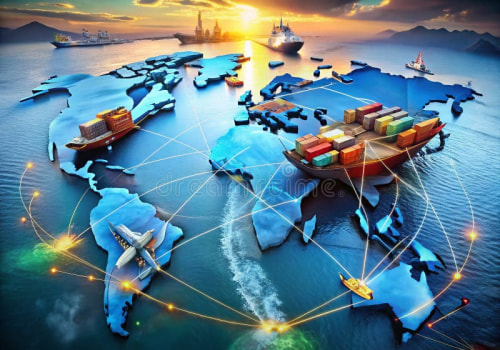
In today's interconnected world, freight transportation serves as the backbone of global trade, facilitating the movement of goods across vast distances. This essential service not only supports local economies but also enables businesses to reach international markets, thereby enhancing their competitiveness. Understanding the various modes of freight transportation is crucial for companies looking to optimize their supply chains and reduce costs while ensuring timely delivery. The significance of freight transportation extends beyond mere logistics; it plays a pivotal role in shaping economic landscapes. Efficient transportation systems can lead to reduced transit times, lower shipping costs, and improved customer satisfaction.
As businesses increasingly rely on just-in-time inventory practices, the demand for reliable and flexible transportation options has never been higher. This growing need has led to the evolution of multiple modes of freight transportation, each with its unique advantages and challenges. In this article, we will explore the different modes of freight transportation, including road, rail, air, and sea. Each mode offers distinct benefits that cater to specific shipping needs, whether it be speed, cost-effectiveness, or capacity. By delving into these various options, we aim to provide a comprehensive understanding of how freight transportation operates and its critical importance in facilitating trade and commerce on a global scale.
Road Freight Transportation
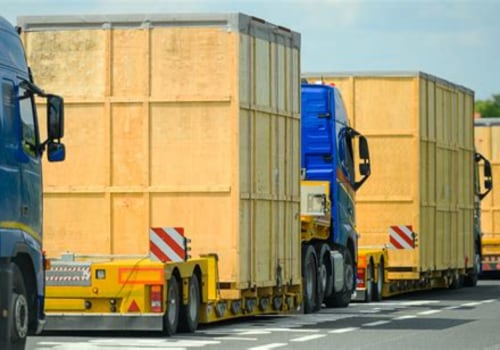
Road freight transportation is a vital component of the logistics industry, providing a flexible and efficient means of moving goods across various distances.This mode primarily utilizes trucking to deliver products from manufacturers to retailers or directly to consumers.One of the most common types of vehicles used in road freight transportation includes:
- Light trucks: Ideal for local deliveries and smaller loads.
- Heavy-duty trucks: Designed for long-haul transportation, capable of carrying larger volumes.
- Refrigerated trucks: Essential for transporting perishable goods, maintaining specific temperature conditions.
- Flatbed trucks: Used for oversized or irregularly shaped cargo that cannot fit in standard containers.
- Flexibility : Trucks can access remote areas and deliver directly to the destination, unlike other modes that may require additional handling.
- Cost-effectiveness : For short to medium distances, road transport can be more economical compared to rail or air freight.
- Speed : Road freight can often provide quicker delivery times, especially for urgent shipments.
- Real-time tracking : Many trucking companies offer GPS tracking, allowing shippers to monitor their cargo in transit.
- Traffic congestion : Urban areas can experience significant delays due to traffic, impacting delivery schedules.
- Weather conditions : Adverse weather can hinder travel and affect safety.
- Regulatory compliance : Trucking companies must adhere to various regulations regarding weight limits, driver hours, and safety standards.
Rail Freight Transportation
Rail freight transportation is a vital component of the global logistics network, offering an efficient and cost-effective solution for moving goods over long distances. Utilizing trains, this mode of transport is particularly advantageous for bulk shipments and heavy cargo.One of the primary benefits of rail freight is its ability to handle large volumes of cargo. Trains can transport a wide variety of goods, including:- Raw materials such as coal, iron ore, and agricultural products
- Manufactured goods, including automobiles and machinery
- Intermodal containers, which allow for seamless transfer between rail and other transportation modes
This makes rail a more sustainable option for transporting goods, especially as businesses increasingly prioritize eco-friendly practices.Moreover, rail networks are often less congested than highways, allowing for more reliable transit times. This efficiency can lead to reduced shipping costs and improved delivery schedules, making rail freight an attractive choice for companies looking to optimize their supply chains.In summary, rail freight transportation stands out as a powerful mode of logistics that combines capacity, efficiency, and environmental responsibility. As industries continue to evolve, the role of trains in freight transportation will likely expand, further solidifying their importance in the movement of goods across the nation.
Air Freight Transportation
Air freight transportation is a vital component of the global logistics network, offering unparalleled speed and reliability for urgent shipments. This mode of transport is particularly advantageous for businesses that require quick delivery of goods, making it an essential choice for time-sensitive cargo.One of the primary benefits of air freight is its ability to significantly reduce transit times compared to other modes of transportation.While sea freight can take weeks, air cargo can deliver shipments across continents in just a matter of days. This rapid service is crucial for industries such as electronics, pharmaceuticals, and fashion, where product life cycles are short and market demands fluctuate rapidly.
Types of Goods Commonly Transported
- Perishable Goods: Items like fresh produce, seafood, and flowers that require quick delivery to maintain quality.
- High-Value Items: Electronics, jewelry, and luxury goods that benefit from the security and speed of air transport.
- Medical Supplies: Critical supplies such as vaccines and medical equipment that need to reach healthcare facilities promptly.
- Time-Sensitive Documents: Legal papers or contracts that must be delivered quickly to meet deadlines.
In a world where time is money, air cargo remains a preferred choice for many companies looking to maintain a competitive edge.
Maritime Freight Transportation
Maritime freight transportation is a cornerstone of global trade, facilitating the movement of goods across vast oceans. This mode of transport is particularly vital for international commerce, as it allows for the efficient shipping of large quantities of cargo at relatively low costs.One of the most common methods within maritime freight is the use of shipping containers. These standardized containers can be easily loaded, unloaded, and transferred between different modes of transport, such as ships, trucks, and trains. The containerization of cargo has revolutionized the shipping industry by:- Reducing loading and unloading times
- Minimizing damage to goods during transit
- Enhancing security through sealed containers
Bulk carriers are specifically designed to transport these types of goods in large quantities. This method is often more economical for transporting raw materials over long distances.The role of maritime freight transportation in international trade cannot be overstated. It accounts for approximately 90% of global trade by volume, making it essential for economies worldwide. Major shipping routes connect continents and facilitate the exchange of goods ranging from electronics to agricultural products.As global demand for goods continues to rise, advancements in maritime technology and logistics are expected to further enhance the efficiency and sustainability of this vital transportation mode.
Innovations such as automated ports and eco-friendly vessels are paving the way for a more efficient future in maritime freight.
Intermodal Freight Transportation
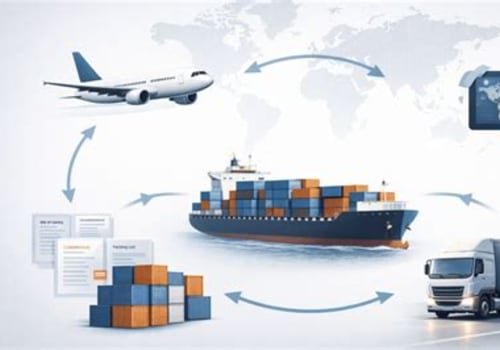
Intermodal freight transportation is a logistics strategy that utilizes more than one mode of transport to move goods from origin to destination. This approach combines the strengths of various transportation methods, such as trucks, trains, ships, and planes, to create a more efficient and cost-effective shipping solution.One of the key components of intermodal freight transportation is multimodal transport, which refers to the use of multiple modes of transport under a single contract. This allows for seamless transitions between different transport methods, reducing delays and improving overall delivery times.The benefits of intermodal shipping are numerous:- Cost Efficiency: By leveraging the most economical transport modes for different segments of the journey, businesses can significantly reduce shipping costs.
- Environmental Impact: Intermodal transport often results in lower carbon emissions compared to relying solely on trucks, as rail and shipping are generally more fuel-efficient.
- Flexibility: Companies can adapt their shipping strategies based on demand fluctuations and route availability, allowing for better resource management.
- Reduced Transit Times: Utilizing the fastest mode for each leg of the journey can lead to quicker delivery times, enhancing customer satisfaction.
- Improved Safety: Intermodal transportation often involves fewer handling points, which can reduce the risk of damage or loss during transit.
Factors Influencing Mode Selection in Freight Transportation
When it comes to freight transportation, businesses face a myriad of choices, each influenced by specific factors that can significantly impact their operations.Understanding these factors is crucial for making informed decisions that align with logistical needs and budget constraints.
Cost Considerations
One of the primary factors influencing the selection of a freight transportation mode is cost. Different modes come with varying price points, which can affect the overall budget of shipping operations. For instance:- Truck transportation is often favored for its flexibility and accessibility, but it can be more expensive per mile compared to rail.
- Rail freight tends to be more economical for bulk shipments over long distances, making it a cost-effective option for heavy goods.
- Air freight, while the fastest option, is typically the most expensive, suitable for high-value or time-sensitive items.
Delivery Speed
The urgency of delivery also plays a critical role in mode selection. Businesses must assess how quickly they need their goods to reach their destination:- If speed is paramount, air freight is often the go-to choice, despite its higher costs.
- Truck transportation offers a balance between speed and cost, especially for regional deliveries.
- Rail freight, while slower, can be ideal for non-urgent shipments that benefit from lower costs.
Businesses must weigh the trade-offs between cost and speed to determine the most effective solution for their logistical challenges.
Future Trends in Freight Transportation
The future of freight transportation is poised for significant transformation, driven by advancements in technology and a growing emphasis on sustainability. As the logistics industry evolves, several key trends are emerging that will shape the way goods are transported across the globe.Automation and Robotics
One of the most notable trends is the increasing use of automation and robotics in freight transportation. Automated vehicles, including trucks and drones, are being developed to enhance efficiency and reduce human error. Companies are investing in autonomous delivery systems that can operate without direct human intervention, which not only speeds up the delivery process but also helps in minimizing operational costs.Sustainability Efforts
As environmental concerns continue to rise, the freight transportation sector is making strides towards sustainability.Many companies are adopting greener practices by utilizing electric vehicles, optimizing routes to reduce fuel consumption, and implementing eco-friendly packaging solutions. The shift towards sustainable logistics is not just a trend; it is becoming a necessity as consumers increasingly prefer brands that prioritize environmental responsibility.
Technological Advancements
The integration of advanced technologies such as Internet of Things (IoT), artificial intelligence (AI), and big data analytics is revolutionizing logistics operations. IoT devices enable real-time tracking of shipments, providing valuable insights into supply chain performance. AI algorithms can predict demand fluctuations and optimize inventory management, ensuring that businesses can respond swiftly to market changes.- Blockchain Technology: Enhancing transparency and security in transactions.
- Data-Driven Decision Making: Leveraging analytics for improved operational efficiency.
- Collaborative Logistics: Fostering partnerships among companies to share resources and reduce costs.
As these trends continue to develop, they will not only improve efficiency but also create a more responsible and responsive logistics ecosystem.
FAQs about Freight Transportation Modes
When it comes to freight transportation, many individuals and businesses have questions about the various modes available. Here are some frequently asked questions that can help clarify these options:What are the main modes of freight transportation?
The primary modes of freight transportation include:- Road Transportation: Involves trucks and vans, ideal for short to medium distances.
- Rail Transportation: Utilizes trains, suitable for bulk goods over long distances.
- Air Transportation: Fastest mode, perfect for high-value or time-sensitive shipments.
- Maritime Transportation: Involves ships and is cost-effective for large volumes over long distances.
What are the differences between these modes?
The differences between these modes of freight transportation can be summarized as follows:- Speed: Air is the fastest, followed by road, rail, and then maritime.
- Cost: Maritime is generally the most economical for large shipments, while air is the most expensive.
- Capacity: Rail and maritime can handle larger volumes compared to road and air.
- Flexibility: Road transportation offers the most flexibility in terms of routes and delivery times.
How do I choose the right mode for my shipment?
Selecting the appropriate mode of freight transportation depends on several factors:- Type of Goods: Consider whether your goods are perishable, fragile, or bulky.
- Delivery Timeframe: Determine how quickly you need your shipment to arrive.
- Budget: Assess your budget constraints and choose a mode that aligns with your financial plan.
Conclusion: The Importance of Choosing the Right Mode of Freight Transportation
In conclusion, understanding the various modes of freight transportation is crucial for businesses aiming to optimize their logistics and supply chain management. Each mode—be it road, rail, air, or sea—offers distinct advantages and challenges that can significantly impact delivery times, costs, and overall efficiency.Choosing the right mode of freight transportation involves careful consideration of several factors:- Cost Efficiency: Different modes come with varying costs. For instance, while air freight is faster, it is often more expensive than sea freight.
- Speed: If time is of the essence, air freight may be the best option.
However, for less urgent shipments, rail or road transport might suffice.
- Distance: The distance between the origin and destination can influence the choice of transportation. Long distances may favor sea or rail transport due to lower costs per mile.
- Type of Goods: The nature of the cargo also plays a critical role. Perishable goods may require faster modes like air freight, while bulk items can be transported more economically by rail or sea.
By doing so, they can ensure that they are not only meeting their current needs but also positioning themselves for future growth in an increasingly competitive landscape.