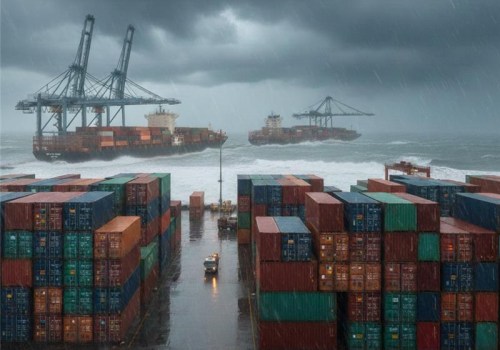
In the world of logistics, freight transportation plays a crucial role in the movement of goods from one location to another. It encompasses a variety of methods and modes, each tailored to meet specific needs and requirements. Understanding what freight transportation entails is essential for businesses and individuals alike, as it directly impacts supply chain efficiency and cost-effectiveness. At its core, freight transportation refers to the process of moving cargo, whether by land, sea, or air. This can include everything from shipping containers on large vessels to transporting pallets via trucks.
The choice of transportation mode often depends on factors such as distance, type of goods, and urgency. For instance, air freight is typically faster but more expensive than ocean freight, which is more economical for bulk shipments but takes longer. There are several types of freight transportation, including road freight, rail freight, ocean freight, and air freight. Each type has its own advantages and disadvantages, making it vital for shippers to assess their specific needs before selecting a method. By understanding these different types, businesses can optimize their logistics strategies and ensure timely delivery of their products.
The Importance of Tracking Shipments
In the realm of freight transportation, tracking shipments is not just a luxury; it is a necessity that significantly impacts both businesses and customers.The ability to monitor the movement of goods in real-time enhances transparency and builds trust between shippers and recipients. One of the primary benefits of shipment tracking is improved customer satisfaction. When customers can access real-time updates about their shipments, they feel more in control and informed. This transparency reduces anxiety and uncertainty, leading to a more positive experience. In fact, studies have shown that customers are more likely to return to businesses that provide reliable tracking information. Moreover, tracking shipments allows companies to optimize their operations.
By having visibility into the supply chain, businesses can identify bottlenecks and inefficiencies. This data-driven approach enables them to make informed decisions, such as adjusting delivery routes or improving inventory management. As a result, companies can reduce costs and enhance their overall service quality. Additionally, tracking freight helps in mitigating risks associated with loss or damage during transit. With accurate tracking systems in place, businesses can quickly respond to any issues that arise, ensuring that corrective actions are taken promptly.
This proactive approach not only protects the company’s assets but also reinforces customer trust. In conclusion, the importance of tracking shipments in freight transportation cannot be overstated. It fosters better customer relationships, enhances operational efficiency, and safeguards against potential losses. As the logistics landscape continues to evolve, embracing advanced tracking technologies will be crucial for businesses aiming to stay competitive.
Methods to Track Shipments in Freight Transportation
Tracking shipments during freight transportation is crucial for ensuring timely delivery and maintaining customer satisfaction. Various methods are employed to monitor the status of shipments, ranging from traditional techniques to advanced technological solutions.Traditional Tracking Methods
- Bill of Lading: This document serves as a receipt and contract between the shipper and carrier.
It includes details about the shipment and can be used to track its progress.
- Phone Calls: Direct communication with carriers or freight forwarders can provide updates on shipment status, although this method can be time-consuming and less efficient.
Modern Tracking Technologies
- GPS Tracking: Many freight companies now utilize GPS technology to provide real-time location data. This allows shippers to monitor their shipments' exact locations at any given time.
- RFID Tags: Radio Frequency Identification (RFID) tags can be attached to shipments, enabling automatic tracking as goods move through various checkpoints.
- Mobile Apps: Many logistics companies offer mobile applications that allow customers to track their shipments easily. These apps often provide notifications about shipment status changes.
- Web Portals: Online tracking systems enable shippers to enter tracking numbers and receive detailed information about their shipments, including estimated delivery times.
Technologies Used in Shipment Tracking
In the realm of freight transportation, effective shipment tracking is essential for ensuring timely deliveries and maintaining customer satisfaction.Various technologies have emerged to enhance tracking capabilities, each offering unique advantages.
GPS Tracking for Freight
One of the most widely used technologies in shipment tracking is GPS (Global Positioning System). This technology allows logistics companies to monitor the real-time location of their freight. By equipping vehicles with GPS devices, companies can:- Track routes: Monitor the exact path taken by a shipment.
- Estimate arrival times: Provide accurate delivery windows based on current traffic conditions.
- Enhance security: Quickly locate stolen or misplaced shipments.
RFID in Shipment Tracking
RFID (Radio Frequency Identification) technology is another innovative solution that has transformed how shipments are tracked. RFID tags are attached to packages and can be scanned without direct line-of-sight, allowing for:- Automated inventory management: Streamlining the process of tracking goods in warehouses and during transit.
- Real-time data collection: Providing instant updates on the status and location of shipments.
- Reduced human error: Minimizing mistakes associated with manual tracking methods.
The Role of IoT in Shipment Tracking
The Internet of Things (IoT) is revolutionizing freight transportation by connecting various devices and systems.IoT-enabled sensors can monitor environmental conditions such as temperature and humidity, which is particularly important for sensitive cargo. Key benefits include:
- Enhanced visibility: Providing comprehensive insights into the shipment's condition throughout its journey.
- Predictive analytics: Utilizing data to anticipate potential issues before they arise, allowing for proactive measures.
- Improved customer communication: Offering clients real-time updates on their shipments, fostering trust and transparency.
How to Use Tracking Tools Effectively
Tracking a shipment during freight transportation is crucial for ensuring timely delivery and maintaining customer satisfaction. To maximize the effectiveness of tracking tools, consider the following strategies:- Choose the Right Tracking Tool: Select a tracking software that integrates seamlessly with your logistics operations. Look for features such as real-time updates, GPS tracking, and user-friendly interfaces.
- Set Up Notifications: Most tracking tools allow you to set up alerts for key milestones in the shipping process.
Enable notifications for when your shipment is dispatched, in transit, and delivered to stay informed without constantly checking the system.
- Utilize Mobile Apps: Many freight transportation companies offer mobile applications that provide on-the-go access to tracking information. Download these apps to monitor your shipments from anywhere, ensuring you can respond quickly to any issues that arise.
- Regularly Review Tracking Data: Don’t just glance at tracking updates; take the time to analyze the data. Look for patterns in delivery times and potential delays, which can help you make informed decisions for future shipments.
- Collaborate with Carriers: Maintain open lines of communication with your freight carriers.
They can provide insights into potential delays and help you understand their tracking systems better.
- Educate Your Team: Ensure that all team members involved in logistics are trained on how to use tracking tools effectively. This will streamline operations and improve response times when issues arise.
Common Challenges in Shipment Tracking and Solutions
Tracking shipments during freight transportation can present several challenges that may hinder the efficiency and reliability of the logistics process. Understanding these challenges is crucial for businesses aiming to optimize their supply chain management.- Inaccurate Tracking Information: One of the most common issues is receiving outdated or incorrect tracking information. This can lead to confusion and miscommunication between shippers and recipients.
- Technological Limitations: Not all freight carriers utilize advanced tracking technologies, which can result in gaps in visibility.
Some may rely on manual updates, leading to delays in information dissemination.
- Geographical Barriers: In remote or rural areas, tracking signals may be weak or non-existent, making it difficult to monitor shipments effectively.
- Data Overload: With multiple shipments being tracked simultaneously, the sheer volume of data can overwhelm logistics managers, making it challenging to pinpoint specific issues.
- Invest in Advanced Tracking Systems: Utilizing GPS and RFID technology can enhance tracking accuracy and provide real-time updates, reducing the chances of misinformation.
- Choose Reliable Carriers: Partnering with reputable freight carriers that prioritize transparency and communication can significantly improve tracking reliability.
- Regular Training for Staff: Ensuring that logistics personnel are well-trained in using tracking systems can help mitigate issues related to data overload and improve overall efficiency.
- Implement a Centralized Tracking Platform: A unified platform that consolidates tracking information from various carriers can streamline the process and provide a clearer overview of shipment statuses.
FAQs About Shipment Tracking in Freight Transportation
Tracking a shipment during freight transportation can often raise several questions. Here are some of the most frequently asked questions regarding this crucial aspect of logistics:- What is shipment tracking? Shipment tracking refers to the process of monitoring the location and status of a shipment as it moves through the supply chain. This allows shippers and recipients to stay informed about their cargo's journey.
- How can I track my shipment? Most freight carriers provide a tracking number that you can use on their website or app. Simply enter the tracking number to view real-time updates on your shipment's location and estimated delivery time.
- What information can I get from tracking my shipment? When you track your shipment, you can typically access details such as the current location, transit history, estimated delivery date, and any delays that may have occurred.
- Why is tracking important in freight transportation? Tracking is essential because it enhances transparency and communication between shippers and recipients.
It helps in managing expectations and allows for proactive measures in case of delays or issues.
- What should I do if my shipment is delayed? If you notice a delay in your shipment, first check the tracking information for updates. If there are no updates or if the delay is significant, contact your freight carrier for assistance.
Conclusion: Key Takeaways on Tracking Shipments in Freight Transportation
In conclusion, tracking shipments during freight transportation is an essential component of modern logistics that ensures efficiency, transparency, and customer satisfaction. As we have explored, effective tracking not only helps in monitoring the location of goods but also plays a crucial role in managing timelines and expectations. Here are the key takeaways:- Utilize Technology: Leverage advanced tracking systems such as GPS and RFID to gain real-time insights into shipment status.
- Choose the Right Carrier: Partner with carriers that offer robust tracking capabilities to enhance visibility throughout the shipping process.
- Communicate with Stakeholders: Keep all parties informed about shipment progress to foster trust and improve service levels.
- Implement Proactive Monitoring: Regularly check tracking updates to anticipate potential delays and address issues before they escalate.
- Emphasize Customer Experience: Provide customers with access to tracking information, enhancing their experience and confidence in your services.
The ability to track shipments effectively not only minimizes risks but also enhances operational efficiency, ultimately leading to better customer satisfaction and loyalty. As the logistics landscape continues to evolve, staying ahead with effective tracking solutions will be vital for success.