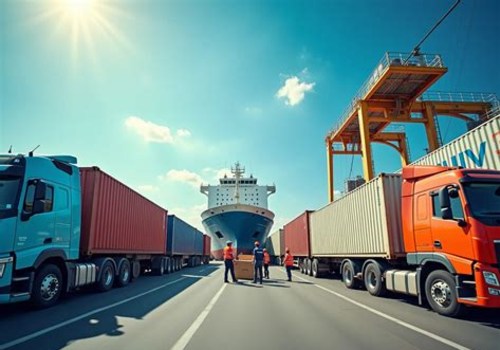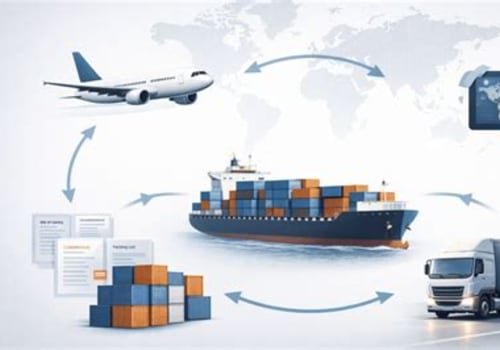
Freight transportation is a critical component of the global economy, serving as the backbone for the movement of goods across various distances. At its core, freight transportation refers to the process of transporting commodities and products from one location to another, utilizing different modes of transport. This can include road, rail, air, and maritime shipping, each offering unique advantages and challenges depending on the nature of the cargo and the distance involved. Understanding the different types of freight transportation is essential for grasping how goods are moved efficiently. For instance, road freight is often favored for its flexibility and speed over short distances, while rail freight is typically more cost-effective for bulk shipments over longer distances.
Air freight, although more expensive, provides rapid delivery for high-value or time-sensitive items. Meanwhile, maritime freight remains the most economical choice for transporting large volumes of goods internationally. The significance of freight transportation extends beyond mere logistics; it plays a vital role in supply chain management and economic development. As businesses strive to meet consumer demands in an increasingly globalized market, understanding the intricacies of freight transportation becomes paramount. This foundational knowledge sets the stage for exploring how recent events, such as the COVID-19 pandemic, have reshaped this essential industry.
Immediate Effects of the COVID-19 Pandemic on Freight Transportation
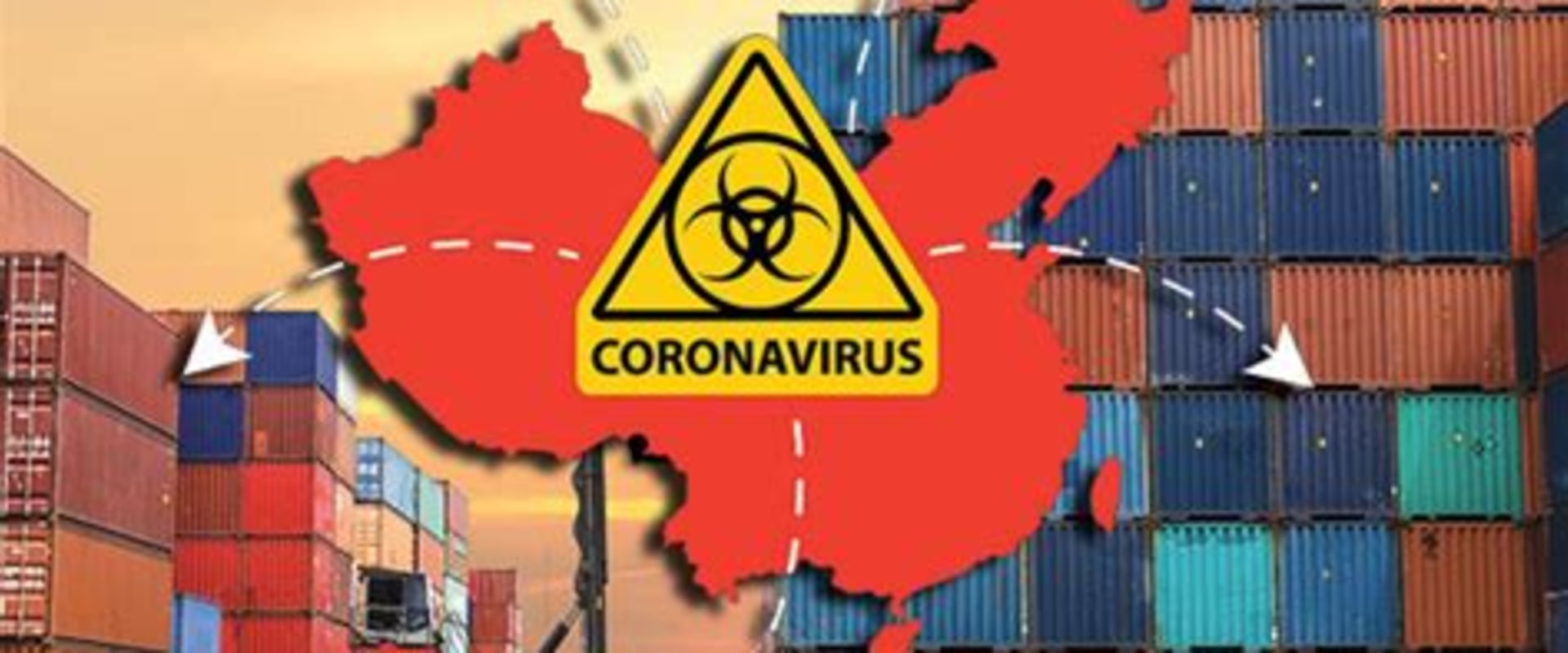
The COVID-19 pandemic has had profound and immediate effects on freight transportation, leading to significant disruptions across global supply chains.As countries implemented lockdowns and border closures to curb the spread of the virus, the movement of goods was severely impacted.One of the most notable disruptions occurred in international shipping. With ports operating at reduced capacity or temporarily shutting down, many vessels were left stranded, unable to unload their cargo. This led to a backlog of shipments, causing delays that rippled through the entire supply chain.
- Air Freight: The air freight sector faced unprecedented challenges as passenger flights, which typically carry a significant amount of cargo, were grounded. This resulted in a drastic reduction in available air freight capacity, leading to skyrocketing shipping costs and delays.
- Road Transportation: Lockdowns also affected road transportation, with many regions imposing restrictions on movement.
Trucking companies struggled with driver shortages due to illness or quarantine measures, further exacerbating delivery delays.
- Rail Freight: Rail networks experienced disruptions as well, with some services being suspended or reduced in frequency. This created bottlenecks in the movement of essential goods.
As businesses scrambled to adapt, it became clear that resilience in freight transportation would require innovative solutions and a reevaluation of existing logistics strategies.In summary, the immediate effects of the COVID-19 pandemic on freight transportation were characterized by significant disruptions due to lockdowns and border closures. These challenges underscored the need for a more robust and flexible supply chain capable of withstanding future crises.
Changes in Demand for Freight Services During the Pandemic
The COVID-19 pandemic has significantly altered the landscape of freight transportation, primarily driven by shifts in consumer behavior and a surge in e-commerce. As lockdowns were implemented and physical stores closed, consumers turned to online shopping, leading to an unprecedented increase in demand for freight services.One of the most notable changes was the rapid growth of e-commerce. According to reports, online sales surged by over 30% during the early months of the pandemic.This shift not only increased the volume of goods needing transportation but also changed the types of products being shipped. Essential goods, such as groceries and medical supplies, saw a dramatic rise in demand, while non-essential items fluctuated based on consumer confidence and restrictions.
Shifts in Consumer Behavior
As consumers adapted to new shopping habits, their preferences also evolved. Many individuals began prioritizing convenience and speed, leading to a greater reliance on express freight services. This shift necessitated adjustments in logistics strategies, with companies needing to enhance their capabilities to meet the growing expectations for faster delivery times.- Increased Demand for Last-Mile Delivery: The rise in online shopping has intensified the need for efficient last-mile delivery solutions, as consumers expect quick and reliable service.
- Changes in Shipping Patterns: With more people working from home, there was a notable shift from traditional retail shipping patterns to direct-to-consumer deliveries.
- Focus on Sustainability: The pandemic has also heightened awareness around sustainability, prompting some consumers to prefer companies that prioritize eco-friendly shipping practices.
The surge in e-commerce and evolving consumer preferences have compelled logistics providers to adapt quickly, ensuring they can meet the new challenges posed by this rapidly changing environment.
Challenges Faced by Freight Transportation Companies
The COVID-19 pandemic has profoundly impacted freight transportation companies, presenting a myriad of challenges that have reshaped the industry landscape. As demand for goods fluctuated and supply chains were disrupted, these companies faced significant hurdles that tested their operational resilience.Labor Shortages
One of the most pressing issues has been labor shortages. With lockdowns and health concerns, many workers in the freight sector either fell ill or chose to stay home, leading to a drastic reduction in available labor. This shortage has not only slowed down operations but also increased the burden on existing employees, resulting in burnout and further attrition.Increased Operational Costs
Alongside labor shortages, increased operational costs have become a significant challenge.Companies have had to invest in health and safety measures to protect their workforce, including personal protective equipment (PPE) and sanitation protocols. Additionally, rising fuel prices and supply chain disruptions have further inflated costs, squeezing profit margins.
Supply Chain Disruptions
The pandemic has also led to widespread supply chain disruptions, affecting the availability of essential materials and components. Freight transportation companies have struggled to maintain schedules due to port congestion and delays in shipments, which have compounded the challenges of meeting customer demands.In summary, the challenges faced by freight transportation companies during the COVID-19 pandemic are multifaceted. From labor shortages to increased operational costs and supply chain disruptions, these issues have necessitated a reevaluation of strategies within the industry.As companies adapt to this new reality, addressing these challenges will be crucial for their long-term sustainability and growth.
Technological Innovations in Freight Transportation Due to COVID-19
The COVID-19 pandemic has acted as a catalyst for technological innovations in the field of freight transportation, pushing companies to adapt rapidly to new challenges. As supply chains faced unprecedented disruptions, the need for digital transformation became more apparent than ever.One of the most significant shifts has been the increased adoption of automation in logistics. Companies have turned to automated systems to streamline operations, reduce human contact, and enhance efficiency. For instance, many freight companies have implemented automated warehousing solutions that utilize robotics for sorting and packing goods.This not only minimizes labor costs but also speeds up the delivery process.Moreover, the pandemic has accelerated the integration of digital platforms that facilitate real-time tracking and management of shipments. These platforms allow businesses to monitor their freight in transit, providing transparency and improving customer satisfaction. With enhanced visibility, companies can make informed decisions quickly, adapting to changes in demand or disruptions in supply.Additionally, the rise of e-commerce during the pandemic has necessitated a shift towards more flexible and responsive logistics solutions. Freight transportation providers are now leveraging advanced analytics and machine learning algorithms to predict demand patterns and optimize routes.
This not only helps in reducing operational costs but also ensures timely deliveries, which is crucial in today’s fast-paced market.In conclusion, the COVID-19 pandemic has significantly influenced freight transportation, driving technological advancements that enhance efficiency and resilience. As the industry continues to evolve, these innovations will likely remain integral to its future success.
Regulatory Changes Impacting Freight Transportation During the Pandemic
The COVID-19 pandemic has led to significant regulatory changes that have impacted freight transportation across the United States. As the government sought to manage the crisis, various policies were implemented to ensure the continuity of logistics and supply chains.One of the most notable changes was the temporary suspension of certain regulations that govern hours of service for truck drivers. The Federal Motor Carrier Safety Administration (FMCSA) issued emergency declarations that allowed for extended driving hours to facilitate the transport of essential goods, including medical supplies and food.This flexibility was crucial in addressing the surge in demand for these items during the pandemic.Additionally, many states enacted temporary measures to expedite the permitting process for freight carriers. These measures included:
- Streamlined permitting for oversized loads transporting critical supplies.
- Waivers on certain vehicle weight limits to accommodate increased freight volumes.
- Reduced fees for permits related to emergency transportation.
These included:
- Mandatory health screenings for drivers and logistics personnel.
- Enhanced sanitation measures at freight terminals and warehouses.
- Social distancing protocols during loading and unloading processes.
Future Outlook for Freight Transportation Post-Pandemic
The COVID-19 pandemic has fundamentally reshaped the landscape of freight transportation, and as we look towards the future, several key trends are emerging that will define the industry in the post-pandemic era.Increased Demand for E-commerce
One of the most significant shifts has been the surge in e-commerce. As consumers increasingly turn to online shopping, the demand for efficient and reliable freight transportation solutions has skyrocketed. This trend is expected to continue, prompting logistics companies to adapt their operations to meet the growing needs of e-commerce.
Technological Advancements
The pandemic has accelerated the adoption of technology within the freight transportation sector.
Innovations such as automated logistics systems, real-time tracking, and artificial intelligence are becoming more prevalent. These technologies not only enhance efficiency but also improve transparency and customer satisfaction.
Sustainability Initiatives
As environmental concerns gain traction, there is a growing emphasis on sustainability within freight transportation. Companies are exploring greener alternatives, such as electric vehicles and optimized routing to reduce carbon footprints. This shift towards sustainability is likely to become a standard practice rather than an exception.
Resilience and Flexibility
The pandemic highlighted vulnerabilities in global supply chains, leading to a renewed focus on resilience.
Future strategies will likely prioritize flexibility in logistics operations, enabling companies to quickly adapt to disruptions. This may involve diversifying supply sources and investing in local production capabilities.
Collaboration Across Industries
The future of freight transportation will also see increased collaboration among various stakeholders, including manufacturers, logistics providers, and technology firms. By working together, these entities can create more integrated and efficient supply chains that are better equipped to handle future challenges.In conclusion, while the freight industry faces numerous challenges in the wake of COVID-19, it also presents opportunities for growth and innovation. By embracing technology, sustainability, and collaboration, the sector can emerge stronger and more resilient in a post-pandemic world.
FAQs About Freight Transportation and COVID-19
As the world continues to navigate the impacts of the COVID-19 pandemic, many questions arise regarding freight transportation and its evolving landscape.Below are some frequently asked questions that address common concerns in this sector.
What are the main challenges faced by freight transportation during COVID-19?
- Supply Chain Disruptions: The pandemic has caused significant interruptions in supply chains, leading to delays and increased costs.
- Labor Shortages: Restrictions and health concerns have resulted in a shortage of drivers and warehouse staff, impacting delivery times.
- Increased Demand: With a surge in e-commerce, freight transportation has had to adapt quickly to meet rising consumer expectations.
How has COVID-19 changed logistics operations?
- Digital Transformation: Many companies have accelerated their adoption of technology to improve tracking and efficiency.
- Health Protocols: Enhanced safety measures, including sanitization and social distancing, have become standard practice in logistics operations.
- Flexible Solutions: Businesses are increasingly seeking flexible logistics solutions to adapt to changing market conditions.
What should businesses consider for future freight transportation?
- Diversification: Companies should consider diversifying their supply chains to mitigate risks associated with future disruptions.
- Sustainability: There is a growing emphasis on sustainable practices within freight transportation, which can enhance brand reputation.
- Collaboration: Building strong partnerships with logistics providers can lead to more resilient supply chains.