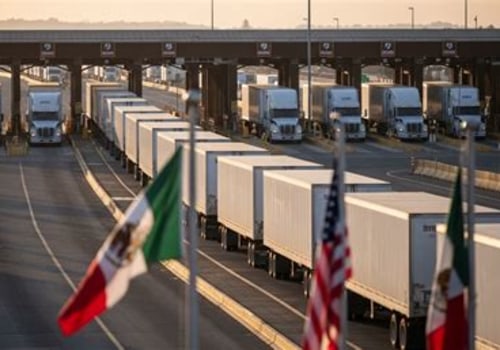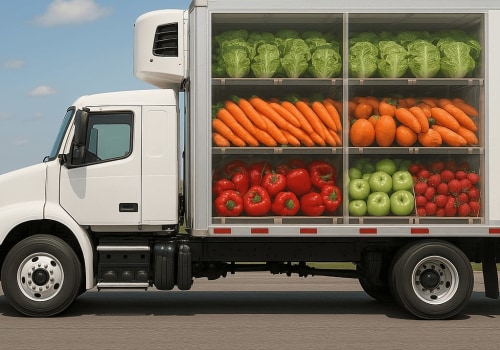
Freight transportation is a critical component of global trade, facilitating the movement of goods from one location to another. It encompasses a variety of methods and types, each tailored to meet specific logistical needs. Understanding the fundamentals of freight transportation is essential for businesses looking to optimize their supply chains and ensure timely delivery of products. There are several types of freight, including full truckload (FTL), less than truckload (LTL), air freight, ocean freight, and rail freight. Each type serves different purposes based on factors such as volume, weight, and urgency.
For instance, FTL is ideal for large shipments that can fill an entire truck, while LTL is more cost-effective for smaller loads that do not require a full vehicle. Understanding these distinctions helps businesses choose the most efficient shipping method. The methods of freight shipping also vary widely, ranging from traditional trucking and rail systems to modern air and maritime transport. Each method has its own advantages and challenges, influenced by factors like speed, cost, and environmental impact. As companies navigate these options, they must also consider the implications of insurance in freight transportation, which plays a vital role in protecting their investments against potential losses during transit.
What is Freight Insurance?
Freight insurance is a specialized type of insurance designed to protect goods while they are in transit.It serves as a safety net for businesses and individuals involved in freight transportation, ensuring that they are financially covered in the event of loss, damage, or theft of cargo. Understanding the nuances of freight insurance is essential for anyone engaged in shipping goods, as it can significantly impact the overall cost and risk management of transportation operations.
Types of Freight Insurance
There are several types of freight insurance, each tailored to meet specific needs and circumstances:- Cargo Insurance: This is the most common form of freight insurance, covering physical loss or damage to goods while they are being transported. It can be purchased for specific shipments or on an annual basis for ongoing shipping needs.
- Marine Insurance: This type covers goods transported over water. It protects against risks associated with maritime transport, including sinking, piracy, and weather-related incidents.
- Air Cargo Insurance: Specifically designed for air freight, this insurance covers goods transported by air and addresses risks unique to air travel, such as delays and handling issues.
- Motor Truck Cargo Insurance: This insurance is essential for freight transported by truck.
It covers loss or damage to cargo while it is being transported overland.
The Role of Insurance in Freight Transportation
In the realm of freight transportation, insurance serves as a critical safety net for both shippers and carriers. The unpredictable nature of logistics, including potential damages, theft, or loss during transit, underscores the necessity of having robust insurance coverage.The Importance of Freight Insurance
- Risk Mitigation: Freight insurance helps mitigate financial risks associated with transporting goods.
Without it, a single incident could lead to significant losses for businesses.
- Legal Compliance: In many jurisdictions, certain types of freight insurance are mandatory. Ensuring compliance not only protects the business but also enhances its reputation.
- Peace of Mind: Knowing that goods are insured provides peace of mind to shippers and carriers alike, allowing them to focus on their core operations without the constant worry of potential losses.
Benefits of Freight Insurance
- Financial Protection: In the event of damage or loss, freight insurance can cover repair costs or reimburse the value of lost goods, ensuring that businesses do not suffer catastrophic financial setbacks.
- Enhanced Credibility: Having freight insurance can enhance a company's credibility with clients and partners, demonstrating a commitment to responsible business practices.
- Streamlined Claims Process: Many insurance providers offer dedicated support for claims related to freight transportation, making it easier for businesses to recover losses quickly and efficiently.
Types of Coverage Offered by Freight Insurance
When it comes to freight transportation, understanding the types of coverage offered by freight insurance is crucial for businesses looking to protect their goods during transit.There are primarily two types of coverage that shippers can choose from: all-risk coverage and named perils coverage.
All-Risk Coverage
All-risk coverage is the most comprehensive option available. This type of policy covers a wide range of potential risks, including theft, damage, and loss due to various unforeseen circumstances. It provides peace of mind for shippers, as it typically includes coverage for:- Accidental damage during loading and unloading
- Theft or pilferage
- Natural disasters such as floods or earthquakes
- Fire and explosion incidents
- Transportation-related accidents
Named Perils Coverage
In contrast, named perils coverage offers protection only against specific risks explicitly listed in the policy. This type of insurance is generally more affordable but comes with limitations.Commonly covered perils may include:
- Theft
- Fire
- Certain types of water damage
- Certain types of collision damage
How to Choose the Right Freight Insurance Policy
Choosing the right freight insurance policy is crucial for protecting your goods during transportation. With various options available, it’s essential to consider several factors to ensure you select a policy that meets your specific needs.Factors to Consider for Freight Insurance
- Type of Goods: The nature of the items being transported significantly influences the type of coverage required. High-value or fragile items may need specialized policies.
- Coverage Limits: Assess the maximum amount your policy will cover.
Ensure it aligns with the value of your cargo to avoid underinsurance.
- Geographical Coverage: Verify that the policy covers all regions where your freight will travel, including international routes if applicable.
- Exclusions: Carefully read through the exclusions in the policy. Understanding what is not covered can prevent unpleasant surprises during a claim.
- Claims Process: Investigate how claims are handled. A straightforward and efficient claims process can save time and reduce stress in case of loss or damage.
Best Practices for Freight Insurance Selection
- Compare Multiple Quotes: Don’t settle for the first policy you find. Comparing quotes from different insurers can help you find the best coverage at a competitive price.
- Consult with Experts: Engage with insurance brokers or freight forwarders who can provide insights and recommendations based on their experience in the industry.
- Review Regularly: As your business grows and changes, so do your insurance needs.
Regularly review and update your policy to ensure it remains adequate.
- Understand Policy Terms: Take the time to fully understand the terms and conditions of your policy. This knowledge will empower you to make informed decisions and manage risks effectively.
Common Risks in Freight Transportation and How Insurance Mitigates Them
Freight transportation is fraught with various risks that can lead to significant financial losses for businesses. Understanding these risks is crucial for shippers and carriers alike, as it allows them to take proactive measures to protect their assets. Here are some of the most common risks associated with freight transportation:- Damage to Goods: One of the primary concerns in freight transportation is the potential for goods to be damaged during transit.
This can occur due to improper handling, accidents, or adverse weather conditions.
- Theft and Loss: Freight theft is a growing issue, particularly in high-value shipments. Goods can be stolen from warehouses, trucks, or during loading and unloading processes.
- Delays: Unexpected delays can occur due to traffic, mechanical failures, or regulatory inspections. These delays can lead to additional costs and lost revenue.
- Liability Issues: Carriers may face liability claims if they are found responsible for damages or losses incurred during transportation.
- Coverage for Damaged Goods: Freight insurance provides coverage for goods that are damaged during transit, ensuring that businesses can recover their losses without bearing the full financial burden.
- Theft Protection: Insurance policies often include provisions for theft, allowing businesses to claim compensation for stolen goods, which helps maintain financial stability.
- Delay Compensation: Some insurance policies offer coverage for losses incurred due to delays, helping businesses manage unexpected costs associated with late deliveries.
- Liability Coverage: Freight insurance can also cover legal liabilities arising from accidents or damages caused during transportation, protecting carriers from potentially crippling lawsuits.
However, having the right insurance coverage can significantly mitigate these risks, providing peace of mind and financial protection for businesses involved in shipping and logistics.
Frequently Asked Questions about Freight Insurance
Understanding freight insurance is crucial for anyone involved in freight transportation. Here are some frequently asked questions that can help clarify common misconceptions and provide valuable insights.What is freight insurance?
Freight insurance is a type of coverage designed to protect goods while they are in transit. It covers loss or damage due to various risks, including theft, accidents, and natural disasters. This insurance is essential for businesses that rely on the safe delivery of their products.Is freight insurance mandatory?
No, freight insurance is not legally required, but it is highly recommended.Many carriers offer limited liability coverage, which may not fully protect the value of your goods. Therefore, obtaining additional insurance can provide peace of mind and financial security.
What does freight insurance cover?
- Theft
- Damage from accidents
- Naturally occurring events (e.g., floods, earthquakes)
- Loss due to improper handling
Are there any exclusions in freight insurance?
Yes, like any insurance policy, freight insurance has exclusions. Common exclusions include:- Damage due to poor packaging
- Wear and tear
- Items not declared at the time of shipping
How do I choose the right freight insurance?
Selecting the right policy involves assessing your specific needs. Consider factors such as:- The value of the goods being shipped
- The mode of transportation (air, sea, land)
- Your risk tolerance and budget
Conclusion: The Essential Role of Insurance in Freight Transportation
In conclusion, the role of insurance in freight transportation cannot be overstated.As the logistics industry continues to evolve, understanding the nuances of insurance coverage becomes increasingly vital for businesses involved in shipping goods. Throughout this article, we have explored various aspects of freight transportation insurance, highlighting its significance in mitigating risks and ensuring smooth operations.One of the primary functions of insurance in this sector is to provide financial protection against potential losses. Whether it’s damage to cargo, theft, or unforeseen delays, having the right insurance policy can safeguard a company’s bottom line. This protection not only helps in recovering losses but also enhances the overall reliability of freight services.
- Risk Management: Insurance serves as a critical tool for managing risks associated with freight transportation.
By identifying potential hazards and securing appropriate coverage, businesses can navigate challenges more effectively.
- Compliance and Legal Protection: Many regions require specific insurance policies for freight carriers. Adhering to these regulations not only ensures compliance but also protects against legal liabilities that may arise during transportation.
- Peace of Mind: Knowing that goods are insured provides peace of mind to shippers and receivers alike. This assurance fosters trust and strengthens business relationships.
By prioritizing insurance as an integral part of logistics planning, businesses can enhance their resilience against uncertainties and maintain a competitive edge in the marketplace.