In today's interconnected world, freight transportation serves as the backbone of global trade, facilitating the movement of goods across vast distances. As economies expand and consumer demands evolve, the significance of efficient logistics in freight transportation cannot be overstated. It ensures that products reach their destinations on time and in optimal condition, which is crucial for maintaining competitive advantage in the marketplace. The role of logistics in freight transportation encompasses a wide range of activities, from planning and execution to monitoring and optimization. Effective logistics management not only streamlines the supply chain but also enhances visibility and accountability throughout the shipping process.
This is particularly important in global trade, where delays or disruptions can lead to significant financial losses and damage to brand reputation. Moreover, as businesses increasingly rely on international suppliers and markets, understanding the intricacies of global trade logistics becomes essential. Companies must navigate various regulations, customs requirements, and transportation modes to ensure compliance and efficiency. By leveraging advanced technologies and data analytics, logistics providers can optimize routes, reduce costs, and improve service levels, ultimately driving success in freight transportation.
What is Logistics?
Logistics is a critical component of the freight transportation industry, encompassing the planning, implementation, and control of the flow of goods and services. At its core, logistics refers to the detailed coordination of complex operations involving people, facilities, and supplies.It plays a vital role in ensuring that products are delivered to the right place, at the right time, and in the right condition.The definition of logistics can be broken down into several key components:
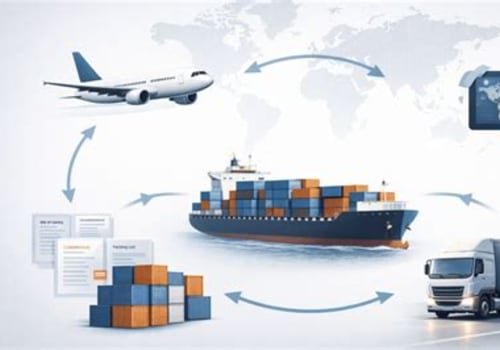
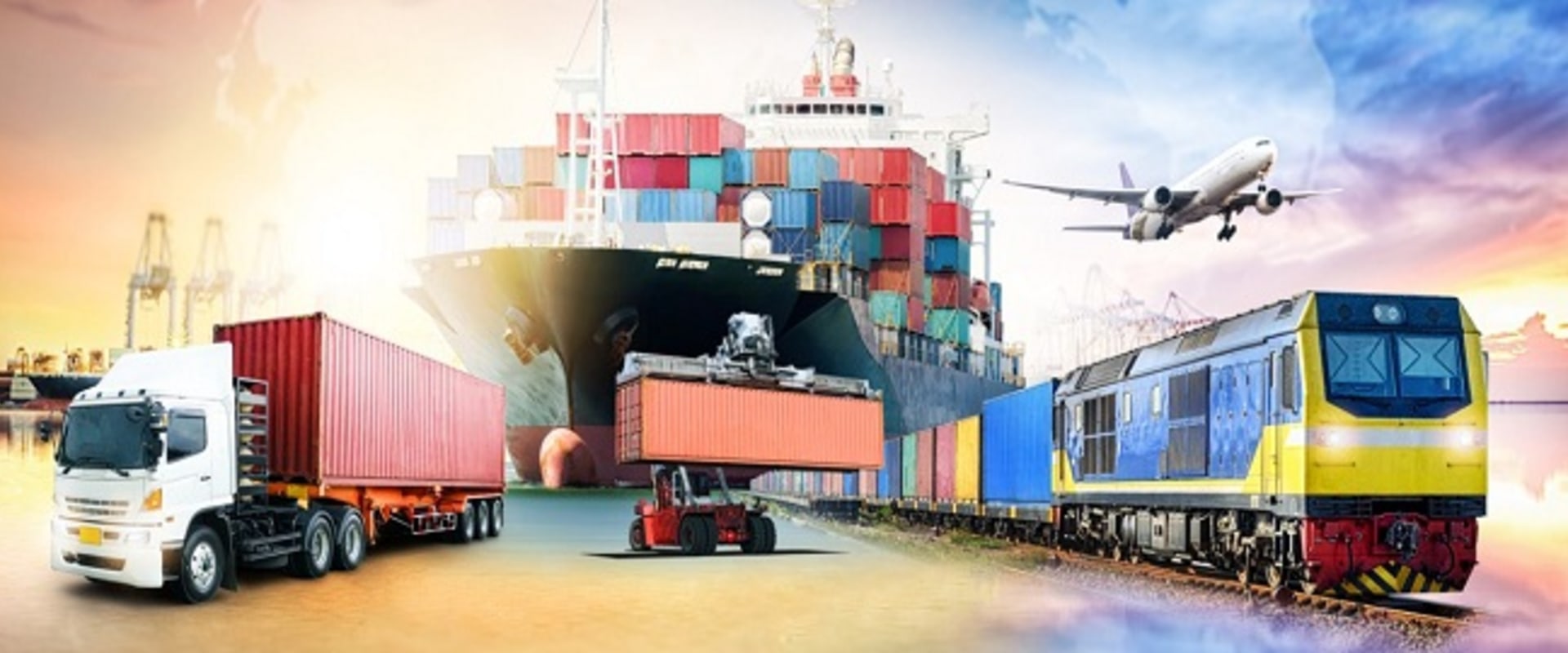
- Transportation: This involves the movement of goods from one location to another, utilizing various modes such as trucks, ships, trains, and airplanes.
- Warehousing: The storage of goods in a facility until they are needed for distribution. Effective warehousing strategies help minimize costs and improve delivery times.
- Inventory Management: Keeping track of stock levels to ensure that there is enough product available to meet customer demand without overstocking.
- Order Fulfillment: The process of receiving, processing, and delivering orders to customers efficiently.
- Supply Chain Management: Logistics is a crucial part of the broader supply chain, which includes all steps involved in getting a product from supplier to customer.
It serves as the backbone that supports the movement of goods across various channels, making it indispensable for businesses aiming to thrive in today’s competitive market.
Key Components of Logistics in Freight Transportation
The role of logistics in freight transportation is multifaceted, encompassing several key components that work together to ensure the efficient movement of goods. Understanding these components is crucial for optimizing supply chain operations and enhancing overall performance.- Warehousing: This is a critical element of logistics that involves the storage of goods before they are transported to their final destination. Effective warehousing strategies help in minimizing costs and ensuring that products are readily available when needed. Modern warehouses often utilize technology such as automated systems and inventory management software to streamline operations.
- Inventory Management: Proper inventory management ensures that the right amount of stock is available at the right time.
This component involves tracking inventory levels, forecasting demand, and managing stock replenishment. Efficient inventory management reduces excess stock and minimizes the risk of stockouts, which can disrupt freight transportation.
- Transportation Management: This component focuses on planning, executing, and optimizing the physical movement of goods. It includes selecting the appropriate transportation modes (e.g., truck, rail, air), route planning, and carrier selection. A well-managed transportation system can significantly reduce costs and improve delivery times.
- Order Fulfillment: Order fulfillment encompasses all processes involved in receiving, processing, and delivering customer orders.
This includes picking and packing items, managing shipping logistics, and ensuring timely delivery. Efficient order fulfillment is essential for customer satisfaction and can directly impact a company’s reputation in the freight transportation industry.
The Role of Technology in Logistics for Freight Transportation
In the realm of freight transportation, technology plays a pivotal role in enhancing logistics operations, ensuring efficiency, accuracy, and reliability. The integration of advanced technologies has transformed traditional logistics practices into streamlined processes that can adapt to the ever-evolving demands of the industry.Tracking Systems
One of the most significant advancements in logistics technology is the implementation of real-time tracking systems.These systems allow companies to monitor shipments at every stage of the transportation process. With GPS and RFID technology, businesses can provide customers with accurate delivery estimates and updates, thereby improving customer satisfaction and trust.
Automation in Logistics
Automation is another critical aspect that enhances logistics for freight transportation. Automated systems can handle repetitive tasks such as inventory management, order processing, and even vehicle routing. This not only reduces human error but also frees up valuable time for logistics personnel to focus on more strategic initiatives.Data Analytics
The use of data analytics in logistics allows companies to make informed decisions based on real-time data.By analyzing trends and patterns in shipping data, businesses can optimize routes, reduce costs, and improve overall operational efficiency. Predictive analytics can also help in forecasting demand, enabling better resource allocation.
Logistics Software Solutions
Various logistics software solutions are available that integrate multiple functions into a single platform. These solutions often include features such as inventory tracking, shipment scheduling, and performance analytics. By utilizing comprehensive software systems, companies can enhance collaboration among different departments and improve communication with partners and customers.In conclusion, the role of technology in logistics for freight transportation cannot be overstated.From tracking systems to automation and data analytics, these technological advancements are essential for optimizing logistics operations and meeting the demands of a competitive market.
Challenges Faced by Logistics in Freight Transportation
Logistics in freight transportation plays a crucial role in ensuring that goods are delivered efficiently and on time. However, logistics providers face several challenges that can hinder their operations and impact overall service quality. One of the primary challenges is capacity constraints. As demand for freight transportation increases, logistics companies often struggle to secure enough vehicles and personnel to meet this demand. This can lead to delays and increased costs, ultimately affecting customer satisfaction. Another significant issue is regulatory compliance.The freight transportation industry is subject to a myriad of regulations that vary by region and type of cargo. Keeping up with these regulations requires constant monitoring and adaptation, which can strain resources.Technology Integration The rapid advancement of technology presents both opportunities and challenges. While tools like GPS tracking and automated inventory management systems can enhance efficiency, the integration of these technologies into existing systems can be complex and costly.Overcoming Logistics Challenges
- Investing in Technology: Embracing new technologies can streamline operations and improve communication across the supply chain.
- Enhancing Training: Providing ongoing training for staff ensures that they are equipped to handle new systems and regulations effectively.
- Diversifying Transportation Options: Utilizing multiple modes of transportation can help mitigate capacity issues and provide more flexible solutions for clients.
Best Practices for Effective Logistics Management in Freight Transportation
Effective logistics management is crucial for optimizing freight transportation and ensuring that goods are delivered on time and within budget. Implementing best practices can significantly enhance operational efficiency and reduce costs.Here are some key strategies to consider:
- Utilize Technology: Leverage logistics management software and tracking systems to gain real-time visibility into shipments. This allows for better decision-making and quicker responses to any issues that may arise.
- Optimize Routes: Analyze shipping routes to identify the most efficient paths. Using route optimization tools can help minimize fuel consumption and transit times, ultimately lowering costs.
- Inventory Management: Maintain accurate inventory levels to prevent overstocking or stockouts. Implementing just-in-time (JIT) inventory practices can help streamline operations and reduce holding costs.
- Collaborate with Partners: Build strong relationships with carriers, suppliers, and other stakeholders in the supply chain.
Effective communication can lead to better coordination and improved service levels.
- Regular Training: Invest in training programs for logistics staff to keep them updated on the latest industry trends and technologies. A knowledgeable team is essential for effective logistics management.
The Future of Logistics in Freight Transportation
The logistics sector is undergoing a significant transformation, driven by advancements in technology and changing consumer expectations. As we look to the future of freight transportation, several key trends and innovations are emerging that will redefine how goods are moved across the globe.Automation and Robotics
One of the most notable trends is the increasing use of automation and robotics in logistics operations.Automated warehouses equipped with robotic systems can enhance efficiency by streamlining sorting, packing, and shipping processes. This not only reduces labor costs but also minimizes human error, leading to faster delivery times.
Data Analytics and AI
The integration of data analytics and artificial intelligence (AI) is revolutionizing decision-making in logistics. By analyzing vast amounts of data, companies can optimize routes, predict demand fluctuations, and improve inventory management. AI-driven tools can also enhance customer service by providing real-time tracking updates and personalized delivery options.Sustainability Initiatives
As environmental concerns grow, the logistics industry is increasingly focusing on sustainability.Innovations such as electric vehicles, alternative fuels, and eco-friendly packaging are becoming more prevalent in freight transportation. Companies are adopting greener practices not only to comply with regulations but also to meet consumer demand for sustainable solutions.
Blockchain Technology
Blockchain technology is another innovation poised to impact logistics significantly. By providing a secure and transparent way to track shipments, blockchain can enhance trust among stakeholders. This technology allows for real-time visibility into the supply chain, reducing fraud and improving accountability.In conclusion, the future of logistics in freight transportation is bright, characterized by technological advancements that promise to enhance efficiency, sustainability, and customer satisfaction.As these trends continue to evolve, businesses that embrace innovation will be better positioned to thrive in an increasingly competitive landscape.
FAQs About Logistics and Freight Transportation
Logistics plays a crucial role in freight transportation, and many people have questions about how these two fields interact. Here are some frequently asked questions that can help clarify the relationship between logistics and freight transportation.What is the difference between logistics and freight transportation?
While freight transportation refers specifically to the movement of goods from one location to another, logistics encompasses a broader range of activities. Logistics includes planning, implementing, and controlling the efficient flow of goods, services, and related information. This means that logistics not only involves transportation but also warehousing, inventory management, order fulfillment, and supply chain management.How does logistics improve freight transportation efficiency?
Effective logistics management can significantly enhance the efficiency of freight transportation.By optimizing routes, consolidating shipments, and utilizing technology for tracking and communication, logistics professionals can reduce transit times and costs. Additionally, proper inventory management ensures that goods are available when needed, minimizing delays in the supply chain.
What are common challenges in logistics for freight transportation?
- Capacity constraints: Limited availability of transport vehicles can lead to delays.
- Regulatory compliance: Navigating various regulations can complicate the shipping process.
- Cost fluctuations: Changes in fuel prices or tariffs can impact overall shipping costs.
- Technology integration: Adopting new technologies can be challenging for some companies.
How can businesses optimize their logistics for better freight transportation?
Businesses can optimize their logistics by:- Investing in technology: Utilizing software for route optimization and real-time tracking.
- Building strong relationships: Collaborating with reliable carriers and suppliers.
- Training staff: Ensuring that employees are knowledgeable about best practices in logistics.
- Regularly reviewing processes: Continuously assessing and improving logistics strategies.