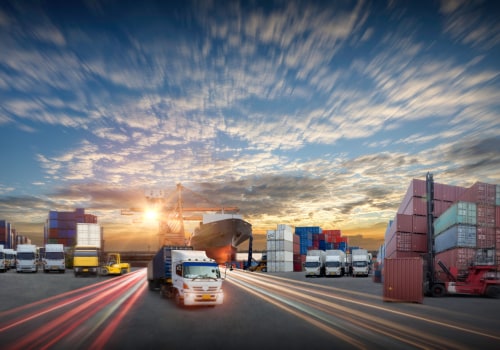
Intermodal transportation is a sophisticated logistics solution that integrates multiple modes of transport to move goods efficiently. This method utilizes various carriers, such as trucks, trains, ships, and planes, to create a seamless flow of freight transportation. By leveraging the strengths of each mode, intermodal transportation not only enhances the speed and reliability of deliveries but also optimizes costs and reduces environmental impact. The definition of intermodal transportation can be understood as the use of standardized containers that can be easily transferred between different transport modes without the need for repacking. This flexibility allows businesses to adapt to changing demands and routes while maintaining a high level of service.
For instance, a shipment may start its journey on a truck, be transferred to a train for long-distance travel, and finally reach its destination via another truck. This interconnectedness is crucial in today’s global economy, where timely delivery is paramount. In the context of freight transportation, intermodal solutions are increasingly becoming the preferred choice for companies looking to streamline their supply chains. The ability to combine various transport methods not only improves efficiency but also enhances visibility throughout the shipping process. As businesses continue to seek innovative ways to meet customer expectations, understanding intermodal transportation becomes essential for anyone involved in logistics and supply chain management.
The Components of Intermodal Transportation
Intermodal transportation is a complex system that integrates multiple modes of transport to move freight efficiently.Understanding the components of intermodal transportation is essential for grasping how this system operates.At the heart of intermodal transportation are three primary modes of transport: rail, truck, and ship. Each mode plays a crucial role in the overall logistics chain:
- Rail: Rail transport is often used for long-distance hauls due to its cost-effectiveness and ability to carry large volumes of freight. Trains can move a significant amount of goods over land, making them an ideal choice for bulk shipments.
- Truck: Trucks are essential for the final leg of delivery, known as last-mile delivery. They provide flexibility and accessibility, allowing freight to reach locations that may not be accessible by rail or ship.
- Ship: Maritime transport is vital for international shipping.
Cargo ships can carry vast quantities of goods across oceans, making them indispensable for global trade.
How Intermodal Transportation Works
Intermodal transportation is a sophisticated method of moving freight that utilizes multiple modes of transport, such as trucks, trains, ships, and planes, to optimize efficiency and reduce costs.Understanding how intermodal transportation works involves examining the step-by-step process from loading to unloading.
1.Loading the Cargo:
The process begins at the shipper's facility, where goods are packed into intermodal containers. These containers are designed for easy transfer between different modes of transport without unloading the cargo itself. This feature significantly enhances the efficiency of freight transportation.
2.Initial Transport:
Once loaded, the container is transported by truck to a nearby rail terminal or port. This initial leg is crucial as it connects the shipper to the broader intermodal network.
3.Rail Transport:
After reaching the terminal, the container is transferred onto a train.
Rail transport is often more economical for long distances due to its ability to carry large volumes of freight at once. During this phase, logistics play a vital role in scheduling and tracking shipments to ensure timely delivery.
4.Transfer Points:
At various transfer points, containers may be moved between different trains or modes of transport. This flexibility allows for adjustments based on demand and route optimization, further enhancing the logistics of intermodal transport.
5.Final Delivery:
Once the train reaches its destination terminal, the container is again transferred to a truck for final delivery to the consignee's location. This last mile is essential for completing the shipping process and ensuring customer satisfaction.The entire process of intermodal shipping is supported by advanced tracking systems that provide real-time updates on cargo status, enhancing transparency and reliability in freight transportation.
By leveraging multiple transport modes, intermodal transportation not only reduces costs but also minimizes environmental impact, making it a preferred choice for many businesses today.
Benefits of Intermodal Transportation
Intermodal transportation offers a multitude of benefits that make it an attractive option for businesses involved in freight transportation. By combining different modes of transport, such as rail, truck, and ship, companies can optimize their logistics and enhance efficiency.Cost-Effectiveness
One of the primary advantages of intermodal shipping is its cost-effectiveness. Utilizing rail for long-distance hauls significantly reduces fuel costs compared to trucking alone. Additionally, the ability to consolidate shipments into a single container minimizes handling fees and reduces the overall cost per unit.This is particularly beneficial for businesses looking to maximize their profit margins while maintaining competitive pricing.
Reduced Transit Times
Intermodal transportation can also lead to reduced transit times. By leveraging the strengths of each mode of transport, shipments can be routed more efficiently. For instance, while a truck may handle the last-mile delivery, rail can cover long distances quickly. This combination allows for faster delivery times without sacrificing reliability.Environmental Advantages
Another significant benefit is the environmental advantage.Rail transport is generally more fuel-efficient than road transport, resulting in lower greenhouse gas emissions per ton-mile. By choosing intermodal options, companies can reduce their carbon footprint and contribute to sustainability efforts, which is increasingly important to consumers and stakeholders alike.
Flexibility and Scalability
Intermodal transportation also provides flexibility and scalability. Businesses can easily adjust their shipping methods based on demand fluctuations or specific logistical needs. This adaptability allows companies to respond quickly to market changes without incurring significant additional costs.In summary, the benefits of intermodal transportation are clear: from cost savings and reduced transit times to environmental advantages and operational flexibility, this method of freight transportation presents a compelling case for businesses aiming to enhance their logistics strategies.Challenges in Intermodal Transportation
While intermodal transportation offers numerous advantages, it is not without its challenges.Understanding these issues is crucial for businesses looking to optimize their freight transportation strategies.
Coordination Issues
One of the primary challenges in intermodal transportation is the need for effective coordination among various carriers and modes of transport. Each segment of the journey may involve different companies, which can lead to miscommunication and delays. For instance, if a shipment arrives late at a rail terminal, it can disrupt the entire schedule, causing a ripple effect that impacts delivery times.Delays and Unpredictability
Delays are a common issue in intermodal shipping. Factors such as weather conditions, port congestion, and equipment availability can significantly affect transit times.These unpredictable elements make it difficult for shippers to provide accurate delivery estimates, which can frustrate customers and lead to lost business opportunities.
Infrastructure Limitations
The effectiveness of intermodal transport heavily relies on the quality of infrastructure. Inadequate facilities at ports or rail yards can lead to bottlenecks, further complicating the logistics process. Additionally, not all regions have access to efficient intermodal terminals, limiting the potential for seamless transitions between transport modes.Cost Considerations
While intermodal transportation can be cost-effective in many scenarios, there are instances where it may not be the most economical choice. The need for multiple handling points can increase costs related to loading and unloading cargo.Furthermore, if delays occur, additional fees may be incurred, negating any initial savings.
Regulatory Challenges
Navigating the regulatory landscape can also pose challenges in intermodal transportation. Different modes of transport are subject to varying regulations and compliance requirements, which can complicate logistics planning. Ensuring that all aspects of a shipment meet legal standards is essential but can be time-consuming and complex.In summary, while intermodal transportation presents a flexible and efficient solution for freight transportation, it is essential to recognize and address these challenges to maximize its benefits.Future Trends in Intermodal Transportation
The landscape of intermodal transportation is rapidly evolving, driven by technological advancements and changing market demands. As the global economy continues to expand, the need for efficient and sustainable freight transportation solutions becomes increasingly critical.Here are some key trends shaping the future of intermodal transportation:
- Digitalization and Automation: The integration of digital technologies is revolutionizing the way intermodal shipping operates. Automated systems for tracking shipments, managing logistics, and optimizing routes are becoming standard. This not only enhances efficiency but also reduces human error.
- Blockchain Technology: Blockchain is emerging as a game-changer in freight transport by providing a secure and transparent way to track shipments. This technology can streamline documentation processes, reduce fraud, and improve trust among stakeholders.
- Sustainability Initiatives: With increasing pressure to reduce carbon footprints, intermodal transportation is focusing on sustainability.
Innovations such as electric trucks and eco-friendly shipping containers are being adopted to minimize environmental impact.
- Data Analytics: The use of big data analytics allows companies to gain insights into shipping patterns, customer preferences, and operational efficiencies. By leveraging this data, businesses can make informed decisions that enhance service delivery.
- Collaboration Across Modes: Future trends indicate a shift towards greater collaboration between different modes of transport. Rail, road, and maritime operators are increasingly working together to create seamless connections that improve overall efficiency.
FAQs about Intermodal Transportation
Intermodal transportation is a method of moving freight that utilizes multiple modes of transport, such as trucks, trains, ships, and planes, to deliver goods efficiently.Here are some frequently asked questions about intermodal transportation:
- What are the benefits of intermodal transportation?
Intermodal transportation offers several advantages, including reduced shipping costs, improved transit times, and enhanced environmental sustainability. By combining different transport modes, companies can optimize their logistics and reduce their carbon footprint. - How does intermodal transportation work?
In intermodal transportation, freight is loaded into containers that can be easily transferred between different modes of transport. For example, a container may be transported by truck to a rail yard, then loaded onto a train for long-distance travel, and finally transferred back to a truck for final delivery. - Is intermodal transportation suitable for all types of freight?
While intermodal transportation is highly versatile, it is particularly effective for large volumes of goods that are not time-sensitive. It may not be the best option for perishable items or high-value cargo that requires expedited shipping. - What are the common challenges associated with intermodal transportation?
Some challenges include coordination between different carriers, potential delays at transfer points, and the need for specialized equipment.However, advancements in technology and logistics management are helping to mitigate these issues.
- How does intermodal compare to traditional freight transport methods?
Intermodal transportation often provides greater flexibility and cost savings compared to traditional methods. While traditional freight may rely solely on one mode of transport, intermodal leverages the strengths of multiple modes to enhance efficiency.