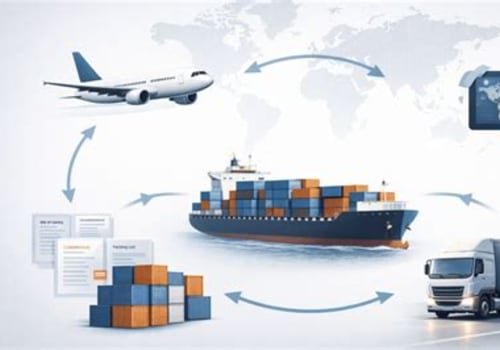
Freight transportation is a vital component of the global economy, facilitating the movement of goods across vast distances. However, despite its significance, there are numerous misconceptions that cloud public understanding of this industry. These freight myths can lead to confusion and misinformed decisions, whether for businesses looking to optimize their supply chains or individuals seeking to understand how their products reach them. One common misconception is that all freight transportation is the same, ignoring the diverse modes available, such as trucking, rail, air, and maritime. Each mode has its own set of advantages and challenges, which can significantly impact cost, speed, and reliability.
Additionally, many people believe that freight transportation is solely about moving large quantities of goods; however, it also encompasses smaller shipments and specialized services that cater to unique needs. Addressing these misconceptions is crucial for fostering a better understanding of freight transportation. By debunking these myths, stakeholders can make more informed choices that enhance efficiency and reduce costs. As we delve deeper into the various misconceptions surrounding this industry, we will uncover the truths that can empower businesses and consumers alike to navigate the complexities of freight transportation with confidence.
Misconception 1: Freight Transportation is Only About Trucks
One of the most prevalent misconceptions about freight transportation is that it is predominantly reliant on trucks. While trucking is indeed a vital component of the logistics industry, it is far from the only method available for transporting goods.Understanding the various freight transport methods can provide a more comprehensive view of how products move from one location to another.
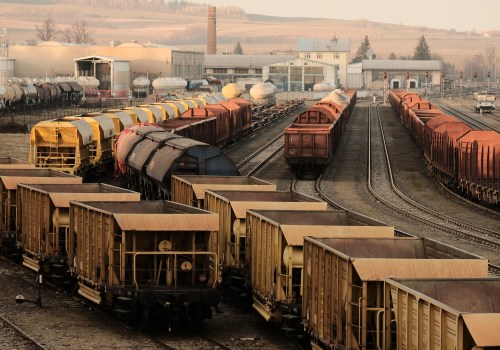
Rail Transportation
- Rail freight is an efficient mode for transporting large quantities of goods over long distances. It is particularly effective for bulk items such as coal, grain, and minerals.
- Trains can carry a significant amount of cargo at once, making them a cost-effective option for shippers looking to minimize expenses.
- Rail networks are extensive in many countries, providing a reliable alternative to trucking, especially in regions where road infrastructure may be lacking.
Air Freight
- Air transportation is the fastest method for moving goods, making it ideal for time-sensitive shipments such as electronics and perishable items.
- While air freight can be more expensive than other modes, its speed often justifies the cost for businesses that need to meet tight deadlines.
- This mode of transportation is also crucial for international shipping, allowing companies to reach global markets quickly.
Maritime Shipping
- Sea freight is essential for international trade, as it allows for the transport of large volumes of goods across oceans at a lower cost compared to air freight.
- This method is particularly advantageous for bulky items and raw materials that do not require immediate delivery.
- Container ships have revolutionized maritime shipping, enabling efficient loading and unloading processes that enhance global supply chains.
Misconception 2: Freight Transportation is Always Expensive
One of the most prevalent misconceptions about freight transportation is that it is always prohibitively expensive. While it’s true that costs can vary significantly based on several factors, there are numerous affordable options available that can meet the needs of businesses of all sizes.Understanding the cost of freight transportation requires a closer look at the various elements that influence pricing:- Distance: The farther the shipment needs to travel, the higher the cost.
However, local and regional shipping options can be quite economical.
- Mode of Transport: Different modes—such as truck, rail, air, and sea—come with varying price points. For instance, while air freight is typically more expensive, sea freight can be a cost-effective alternative for larger shipments.
- Volume and Weight: The size and weight of the shipment play a crucial role in determining costs. Bulk shipments often benefit from lower rates per unit.
- Seasonality: Demand fluctuations during peak seasons can affect pricing. Planning shipments during off-peak times can lead to significant savings.
- LTL Shipping: Less-than-truckload (LTL) shipping allows multiple shippers to share space in a single truck, making it a budget-friendly choice for smaller loads.
- Freight Consolidation: Combining multiple shipments into one can lower overall costs by maximizing space and reducing handling fees.
- Negotiating Rates: Many freight carriers are open to negotiation, especially for regular shippers.
Establishing a good relationship with carriers can lead to better pricing.
Misconception 3: Freight Transportation is Slow and Inefficient
One of the most prevalent misconceptions about freight transportation is that it is inherently slow and inefficient. However, this perception fails to account for the significant advancements in logistics and technology that have transformed the industry.Modern freight transportation has evolved dramatically, with various options available that cater to different speed and efficiency needs. For instance, air freight is often considered the fastest method for shipping goods over long distances.While it may come at a higher cost, it provides unparalleled speed, making it ideal for time-sensitive shipments.Additionally, advancements in logistics technology, such as real-time tracking systems and automated inventory management, have streamlined operations. These innovations allow companies to optimize their shipping routes and reduce transit times significantly. With the ability to monitor shipments in real-time, businesses can make informed decisions that enhance overall efficiency.Moreover, many freight carriers now offer expedited services that prioritize speed without sacrificing reliability. These services are designed to meet tight deadlines while ensuring that goods arrive safely and on time.
For example:
- Same-day delivery: Available for local shipments, allowing businesses to fulfill urgent orders quickly.
- Next-day air freight: Ideal for urgent deliveries across longer distances.
- Expedited ground services: Faster than standard ground shipping, these services are perfect for less time-sensitive but still urgent shipments.
Misconception 4: All Freight Transportation Companies are the Same
One of the most prevalent misconceptions about freight transportation is that all freight companies offer the same services and quality. In reality, there is a significant diversity among freight providers, each with unique strengths, weaknesses, and specializations.When choosing a freight provider, it’s essential to consider several factors that differentiate these companies:- Service Types: Some companies specialize in specific modes of transportation, such as trucking, rail, air, or ocean freight.
Others may offer a combination of these services. Understanding your shipping needs will help you select a provider that excels in the relevant area.
- Geographic Coverage: Not all freight companies operate in the same regions. Some may focus on local or regional transport, while others have a global reach. If your business requires international shipping, it’s crucial to choose a provider with the necessary expertise and network.
- Technology and Tracking: The level of technology integration varies among freight companies.
Some offer advanced tracking systems that provide real-time updates on shipments, while others may rely on more traditional methods. A company with robust technology can enhance your shipping experience by providing transparency and efficiency.
- Customer Service: The quality of customer service can greatly impact your experience with a freight provider. Companies that prioritize customer support often have dedicated teams to assist with inquiries and resolve issues promptly.
By understanding the differences among freight companies, you can make an informed decision that aligns with your business goals.
Misconception 5: Freight Transportation is Not Environmentally Friendly
One of the most prevalent misconceptions about freight transportation is that it is inherently harmful to the environment. While it is true that traditional methods of shipping can contribute to pollution and carbon emissions, the industry is undergoing a significant transformation towards more sustainable freight transportation practices.Innovations in technology and logistics are paving the way for eco-friendly shipping solutions. For instance, many companies are investing in electric and hybrid vehicles, which drastically reduce greenhouse gas emissions compared to their diesel counterparts. Additionally, advancements in fuel efficiency and alternative fuels, such as biodiesel and hydrogen, are becoming more common in freight operations.Moreover, the concept of green logistics is gaining traction.This approach focuses on minimizing environmental impact throughout the supply chain. Companies are optimizing routes to reduce fuel consumption, consolidating shipments to decrease the number of trips needed, and utilizing intermodal transportation methods that combine different modes of transport for greater efficiency.
- Use of Renewable Energy: Many logistics companies are now incorporating renewable energy sources into their operations, such as solar panels at warehouses and wind energy for powering facilities.
- Recycling and Waste Reduction: Implementing recycling programs and reducing packaging waste are also key strategies that companies are adopting to lessen their environmental footprint.
- Carbon Offsetting: Some freight companies offer carbon offset programs that allow customers to invest in environmental projects to compensate for their shipping emissions.
Frequently Asked Questions About Freight Transportation Misconceptions
When it comes to freight transportation, several misconceptions can cloud understanding and decision-making. Here are some frequently asked questions that help clarify these misunderstandings:- Is freight transportation only for large businesses? No, this is a common misconception.
While large companies often utilize freight services, small and medium-sized businesses can also benefit significantly from freight transportation. Many freight carriers offer flexible options that cater to various shipment sizes and budgets.
- Does freight transportation always take a long time? Many people believe that shipping goods via freight is a slow process. However, with advancements in logistics and technology, many freight services now offer expedited options that can deliver goods quickly, sometimes even faster than traditional shipping methods.
- Is freight transportation too expensive? This misconception arises from a lack of understanding of the pricing structures involved. While some freight services can be costly, there are numerous affordable options available.
Factors such as shipment size, distance, and mode of transport can significantly influence costs.
- Are all freight carriers the same? No, not all carriers provide the same level of service or reliability. It's essential to research and choose a reputable carrier that meets your specific needs. Look for reviews and ratings to ensure you select a trustworthy provider.
- Can I track my shipment? Many people assume that tracking is not available for freight shipments. In reality, most modern freight carriers offer tracking services that allow you to monitor your shipment's progress in real-time.
Conclusion: Clarifying Freight Transportation Myths for Better Understanding
In conclusion, understanding the realities of freight transportation is essential for businesses and individuals alike.Throughout this article, we have debunked several common misconceptions that often cloud judgment and decision-making in this vital industry.
Key Takeaways:
- Freight transportation is not just about moving goods; it encompasses a complex network of logistics, regulations, and technology.
- Cost is often misrepresented; while some may believe that cheaper options are always better, the true value lies in reliability and service quality.
- The environmental impact of freight transportation is frequently overstated or misunderstood, as many companies are actively adopting greener practices.
- Not all freight services are the same; understanding the differences between modes—such as air, sea, and land—can lead to more informed choices.