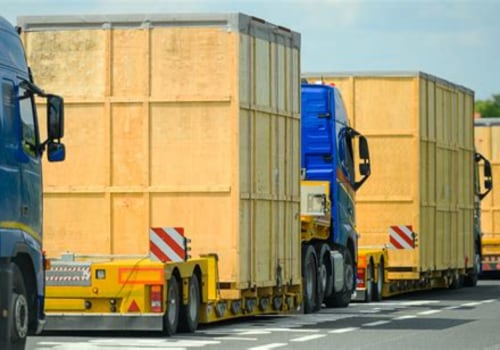
Freight transportation is a critical component of the global economy, facilitating the movement of goods from one location to another. It encompasses a variety of methods, including road, rail, air, and maritime transport, each with its own advantages and challenges. Understanding what freight transportation entails is essential for businesses that rely on timely delivery of products, as well as for consumers who depend on the availability of goods in their local markets. The types of freight transportation can be broadly categorized into two main groups: bulk and general cargo. Bulk freight typically involves large quantities of homogeneous goods, such as coal or grain, transported in bulk carriers or tankers.
In contrast, general cargo refers to items that are packaged and shipped individually, often requiring more handling and logistics coordination. Each type presents unique logistical considerations that can be significantly influenced by external factors, particularly weather conditions.As we delve deeper into the intricacies of freight transportation, it becomes evident that understanding the impact of weather is crucial for optimizing operations. Weather can affect everything from shipping schedules to vehicle performance, making it imperative for companies to stay informed and adaptable. This foundational knowledge sets the stage for exploring how various weather phenomena can disrupt or enhance freight transportation efficiency.
The Role of Weather in Freight Transportation
Weather plays a crucial role in freight transportation, impacting everything from delivery schedules to safety protocols.Understanding these effects is essential for logistics companies aiming to optimize their operations.
Delays and Disruptions
- Severe weather conditions, such as heavy rain, snow, or hurricanes, can lead to significant delays in shipping schedules. Roads may become impassable, and ports can close, halting the movement of goods.
- Air freight is particularly vulnerable; flights may be canceled or rerouted due to adverse weather, causing a ripple effect throughout the supply chain.
Safety Concerns
- Inclement weather increases the risk of accidents on the road. Drivers face challenges such as reduced visibility and slippery surfaces, which can lead to collisions and cargo damage.
- In maritime transport, rough seas can jeopardize the safety of vessels and their cargo, necessitating careful monitoring of weather forecasts.
Operational Challenges
- Logistics companies must adapt their operations based on weather forecasts. This may involve rerouting shipments or adjusting delivery timelines to mitigate risks associated with severe weather.
- Additionally, fluctuating temperatures can affect certain types of cargo, particularly perishables, requiring specialized handling and storage solutions.
As weather patterns become more unpredictable, companies must invest in technology and strategies that enhance their resilience against these challenges. By staying informed about weather conditions and implementing proactive measures, logistics providers can minimize disruptions and ensure the safe and timely delivery of goods.
Types of Weather Events Affecting Freight Transportation
Weather plays a crucial role in freight transportation, influencing everything from scheduling to safety. Various types of weather events can significantly disrupt operations, leading to delays and increased costs. Below are some of the most impactful weather conditions that affect freight transport.- Storms: Severe storms, including thunderstorms and hurricanes, can create hazardous conditions for freight transport.
High winds and heavy rainfall can lead to road closures, flight cancellations, and port shutdowns, severely impacting delivery schedules.
- Snow and Ice: Winter weather poses unique challenges for freight transportation. Snow accumulation can obstruct roads and railways, while icy conditions increase the risk of accidents. Freight carriers must often implement winter weather protocols, which may include using specialized equipment or rerouting shipments.
- Fog: Low visibility due to fog can slow down transportation operations significantly. Drivers may need to reduce speed or halt travel altogether until conditions improve, leading to delays in freight delivery.
- Heatwaves: Extreme heat can also impact freight transportation.
High temperatures can cause road surfaces to buckle and affect the performance of vehicles. Additionally, certain goods may require temperature-controlled environments, making it essential for carriers to monitor conditions closely.
Impact of Weather on Different Modes of Freight Transportation
Weather plays a crucial role in the efficiency and safety of freight transportation, impacting various modes differently. Understanding these impacts can help logistics companies better prepare and adapt their operations.Weather Impact on Trucking
Trucking is particularly vulnerable to adverse weather conditions.Rain, snow, and ice can significantly affect road safety and delivery schedules. For instance:
- Rain: Wet roads can lead to longer stopping distances and increased risk of hydroplaning, causing delays.
- Snow and Ice: These conditions can lead to road closures and hazardous driving situations, forcing trucks to reroute or halt operations altogether.
Rail Freight Weather Challenges
Rail freight is not immune to weather-related disruptions. Heavy rain can cause flooding, leading to track washouts, while snow accumulation can obstruct rail lines. Key challenges include:- Flooding: Can damage tracks and infrastructure, resulting in service interruptions.
- Snow and Ice: Accumulation on tracks can hinder train movement and necessitate extensive snow removal efforts.
Air Cargo Weather Effects
Air cargo is highly sensitive to weather conditions as well.Severe weather events such as thunderstorms, fog, and high winds can lead to:
- Flight Delays: Inclement weather often results in flight cancellations or delays, affecting delivery timelines.
- Increased Costs: Airlines may incur additional costs due to rerouting or waiting for favorable conditions.
Mitigating Weather-Related Risks in Freight Transportation
In the realm of freight transportation, adverse weather conditions can pose significant challenges, leading to delays, increased costs, and potential damage to goods. To effectively navigate these challenges, companies must implement robust risk management strategies that enhance their resilience against weather disruptions.1.Advanced Weather Forecasting Tools
- Utilizing sophisticated weather forecasting technologies allows freight companies to anticipate adverse conditions. By integrating real-time data into their logistics planning, businesses can make informed decisions about route adjustments and scheduling.
2.Flexible Routing and Scheduling
- Establishing flexible routing options is crucial.
Companies should develop contingency plans that include alternative routes and schedules to minimize the impact of weather-related delays.
- Implementing dynamic scheduling systems can help in reallocating resources quickly in response to changing weather conditions.
3.Training and Preparedness
- Investing in training programs for drivers and logistics personnel on how to handle adverse weather conditions can significantly reduce risks. This includes educating them on safe driving practices during inclement weather and emergency protocols.
- Regular drills and simulations can prepare teams for unexpected weather events, ensuring a swift and effective response.
4.Technology Integration
- Leveraging technology such as GPS tracking and fleet management software enables real-time monitoring of vehicles. This allows companies to track their shipments closely and make necessary adjustments based on current weather conditions.
- Additionally, using predictive analytics can help identify patterns in weather disruptions, allowing for proactive measures to be taken.
5.Collaboration with Partners
- Building strong relationships with suppliers, carriers, and other stakeholders is essential for effective risk management. Collaborative efforts can lead to shared resources and information that enhance overall resilience against weather-related disruptions.
Case Studies: Weather Disruptions in Freight Transportation
Weather-related disruptions in freight transportation can have significant impacts on supply chains, as illustrated by several real-life case studies.Understanding these examples can provide valuable insights into the challenges faced by the industry and the strategies employed to mitigate risks.
Case Study 1: Hurricane Harvey
In August 2017, Hurricane Harvey struck Texas, causing widespread flooding and damage. The Port of Houston, a critical hub for freight transportation, was forced to close, halting operations for several days. This disruption led to delays in shipments of oil and gas, affecting prices nationwide. Companies learned the importance of having contingency plans in place, such as alternative routing and increased inventory levels prior to storm season.Case Study 2: Winter Storm Uri
In February 2021, Winter Storm Uri brought severe cold and snow to much of the United States, crippling transportation networks.Railroads experienced significant delays due to frozen tracks and equipment failures. The trucking industry faced similar challenges, with many drivers unable to navigate icy roads. This event highlighted the need for freight transportation companies to invest in weather forecasting technology and training for drivers on winter driving techniques.
Case Study 3: The Polar Vortex
The Polar Vortex of 2014 caused extreme cold across the Midwest, leading to a backlog in rail freight. Many shipments were delayed as railroads struggled to maintain schedules amidst freezing temperatures.Companies learned that diversifying their transportation methods could help alleviate pressure during extreme weather events. For instance, some shifted from rail to truck transport when conditions allowed.These case studies illustrate that while weather can disrupt freight transportation, proactive planning and adaptability are key to minimizing impacts. By analyzing past events, companies can develop more resilient logistics strategies that account for potential weather-related challenges.
Future Trends: Weather and Freight Transportation
As we look to the future, the intersection of climate change and freight transportation is becoming increasingly critical. The shipping industry is already experiencing the effects of extreme weather patterns, which are projected to intensify in the coming years.This section explores how these changes may shape the future of freight transportation and the innovations being developed to mitigate their impact.
Climate Change Impact on Shipping Industry
- Rising Sea Levels: Ports and shipping routes are at risk due to rising sea levels, which can lead to increased flooding and operational disruptions.
- Extreme Weather Events: More frequent hurricanes, storms, and heavy rainfall can delay shipments and damage infrastructure.
- Temperature Variability: Fluctuating temperatures can affect cargo integrity, especially for temperature-sensitive goods.
Innovations in Freight Transport Technology
- Predictive Analytics: Advanced data analytics tools are being developed to forecast weather patterns and optimize shipping routes accordingly.
- Green Technologies: The adoption of electric and hybrid vehicles is on the rise, reducing carbon footprints and enhancing sustainability in freight transport.
- Resilient Infrastructure: Investments in more robust port facilities and transportation networks are essential to withstand extreme weather conditions.
FAQs About Weather and Freight Transportation
Understanding how weather impacts freight transportation is crucial for businesses that rely on timely deliveries. Here are some frequently asked questions that address common concerns regarding shipping delays due to weather conditions.What types of weather can affect freight transportation?
- Snow and Ice: Heavy snowfall and icy conditions can lead to road closures and hazardous driving conditions, significantly delaying shipments.
- Rain: While light rain may not cause major disruptions, heavy rainfall can lead to flooding, affecting both road and rail transport.
- Wind: Strong winds can impact air freight operations and make it unsafe for trucks to travel, especially in open areas.
- Fog: Reduced visibility due to fog can slow down transportation, particularly for air and maritime freight.
How do companies prepare for weather-related disruptions?
Many logistics companies implement strategies to mitigate the impact of adverse weather on freight transportation. These include:- Real-time Monitoring: Utilizing technology to track weather patterns and adjust routes accordingly.
- Flexible Scheduling: Allowing for buffer times in delivery schedules to accommodate potential delays.
- Diverse Transportation Options: Having multiple modes of transport available (e.g., truck, rail, air) to adapt to changing conditions.
What should shippers do if they anticipate delays?
If shippers expect delays due to weather, they should:- Communicate Early: Inform customers about potential delays as soon as possible.
- Review Contracts: Check shipping contracts for clauses related to weather disruptions.
- Plan Alternatives: Consider alternative shipping methods or routes that may be less affected by the weather.