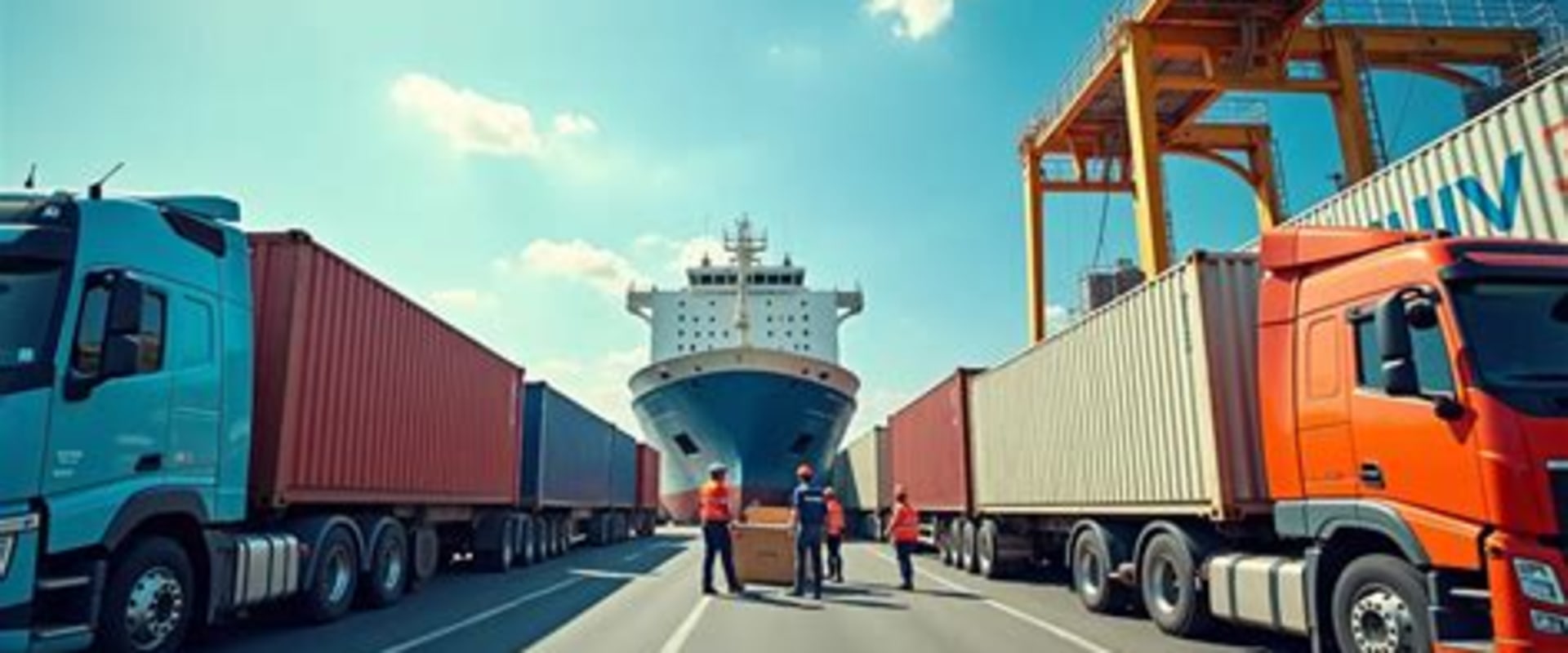
Freight transportation refers to the process of moving goods and cargo from one location to another, utilizing various modes of transport such as trucks, trains, ships, and airplanes. This essential component of the logistics and supply chain industry plays a critical role in ensuring that products reach their destinations efficiently and safely. Understanding the definition of freight transportation is vital for businesses and consumers alike, as it encompasses not only the physical movement of goods but also the planning, execution, and management involved in this process. The significance of freight transport extends beyond mere logistics; it is a backbone of global trade and commerce. By facilitating the exchange of goods across vast distances, freight transportation enables businesses to access new markets, optimize inventory levels, and respond swiftly to consumer demands.
In an increasingly interconnected world, the efficiency of freight transportation systems can directly impact economic growth and competitiveness. Moreover, the meaning of freight transport is evolving with advancements in technology and changing consumer expectations. Innovations such as real-time tracking, automated logistics solutions, and sustainable practices are reshaping how goods are transported. As we delve deeper into this topic, we will explore various aspects of freight transportation, including its types, challenges, and future trends that are set to redefine the landscape of logistics.
The Importance of Freight Transportation in Global Trade
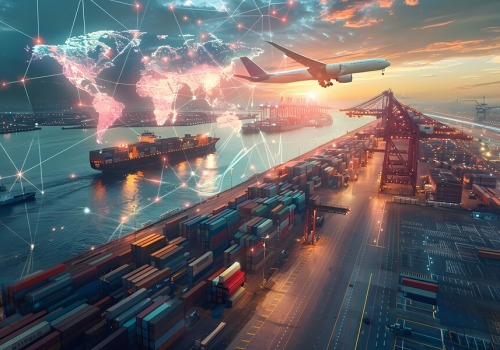
Freight transportation plays a crucial role in facilitating global trade and commerce, acting as the backbone of the international supply chain. Without efficient freight transport systems, the movement of goods across borders would be severely hindered, impacting economies worldwide.One of the primary reasons freight transportation is vital to global trade is its ability to connect producers and consumers across vast distances.This connectivity allows businesses to access new markets, enabling them to expand their reach and increase sales. For instance, a manufacturer in the United States can easily ship products to customers in Europe or Asia, thanks to advanced freight networks.The impact of freight transportation on the global economy is profound. It not only facilitates trade but also creates jobs and stimulates economic growth. According to industry reports, the logistics sector, which includes freight transportation, contributes significantly to GDP in many countries.
This sector supports millions of jobs, from truck drivers and warehouse workers to logistics managers and customs brokers.Moreover, efficient freight transport reduces costs for businesses and consumers alike. By optimizing shipping routes and utilizing various modes of transport—such as trucks, trains, ships, and planes—companies can lower their operational expenses. These savings often translate into lower prices for consumers, making goods more accessible.In summary, the importance of freight transportation in global trade cannot be overstated. It enhances connectivity between markets, drives economic growth, creates employment opportunities, and helps maintain competitive pricing for consumers.
As global trade continues to evolve, the role of freight transport will remain pivotal in shaping the future of commerce.
Key Players in the Freight Transportation Industry
The freight transportation industry is a complex ecosystem involving various key players that work together to ensure the efficient movement of goods. Understanding these players is crucial for anyone looking to navigate the logistics landscape.- Logistics Companies: These firms specialize in managing the flow of goods from the point of origin to the final destination. They coordinate various aspects of transportation, including warehousing, inventory management, and order fulfillment. Logistics companies often utilize advanced technology to optimize routes and reduce costs.
- Freight Carriers: Freight carriers are responsible for physically transporting goods.
They can be categorized into several types, including:
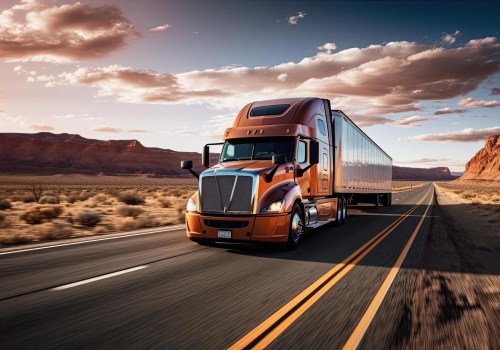
- Truck Carriers: These are the most common freight carriers, using trucks to deliver goods over short to medium distances.
- Rail Carriers: Rail transport is often used for bulk goods over long distances, providing an efficient and cost-effective solution.
- Air Carriers: For time-sensitive shipments, air freight is the fastest option, though it tends to be more expensive.
- Maritime Carriers: Shipping by sea is essential for international trade, especially for large volumes of cargo.
- Third-Party Logistics Providers (3PLs): 3PLs offer comprehensive logistics services that include transportation, warehousing, and distribution. They act as intermediaries between shippers and carriers, allowing businesses to outsource their logistics needs. This can lead to cost savings and increased efficiency.
Challenges in Freight Transportation
Freight transportation is a vital component of global trade, yet it faces numerous challenges that can hinder efficiency and increase costs.Understanding these obstacles is crucial for stakeholders in the logistics industry.
Regulatory Issues
One of the primary challenges in freight transportation is navigating the complex web of regulations. Different countries and regions have varying laws regarding shipping practices, safety standards, and environmental regulations. Compliance with these regulations can be time-consuming and costly, often requiring companies to invest in legal expertise and compliance systems.Environmental Concerns
As the world becomes more environmentally conscious, the freight transportation industry faces increasing pressure to reduce its carbon footprint. This includes adopting sustainable practices and investing in cleaner technologies.However, transitioning to greener alternatives can be expensive and logistically challenging, particularly for smaller companies that may lack the resources to implement such changes.
Technological Advancements
The rapid pace of technological change presents both opportunities and challenges in freight transport. While innovations such as automation, artificial intelligence, and blockchain can enhance efficiency, they also require significant investment and training. Companies must stay ahead of technological trends to remain competitive, which can be a daunting task.Infrastructure Limitations
In many regions, outdated or inadequate infrastructure poses a significant challenge to efficient freight movement. Congested roads, insufficient rail networks, and limited port capacities can lead to delays and increased costs.Addressing these infrastructure issues often requires collaboration between public and private sectors, which can be a lengthy process.
Market Volatility
The freight transportation industry is also susceptible to market fluctuations caused by economic downturns, geopolitical tensions, or natural disasters. Such volatility can disrupt supply chains and lead to unpredictable costs. Companies must develop robust risk management strategies to navigate these uncertainties effectively.In conclusion, while freight transportation is essential for global commerce, it is fraught with challenges that require strategic planning and adaptability from industry players.Future Trends in Freight Transportation
The future of freight transportation is being shaped by a confluence of technological advancements and evolving consumer expectations. As the logistics industry adapts to these changes, several key trends are emerging that promise to redefine how goods are moved across the globe.Automation and Robotics
One of the most significant trends in freight transportation is the increasing use of automation and robotics.Automated vehicles, including trucks and drones, are being developed to enhance efficiency and reduce human error. These innovations not only streamline operations but also help in addressing labor shortages in the logistics sector.
Sustainability Practices
As environmental concerns continue to rise, sustainability has become a critical focus in freight transport. Companies are investing in greener technologies, such as electric vehicles and alternative fuels, to minimize their carbon footprint. Additionally, practices like route optimization and load consolidation are being implemented to reduce waste and improve fuel efficiency.Digitalization and Data Analytics
The integration of digital technologies is transforming the logistics landscape.Digitalization allows for real-time tracking of shipments, enhancing transparency and customer satisfaction. Furthermore, data analytics plays a crucial role in optimizing supply chain operations by providing insights into demand forecasting, inventory management, and operational efficiency.
Collaboration and Integration
The future of freight transportation also lies in increased collaboration among stakeholders. By integrating various modes of transport—such as rail, road, and air—companies can create more resilient supply chains. Collaborative platforms enable better communication between shippers, carriers, and customers, fostering a more cohesive logistics ecosystem.In conclusion, the trends in logistics point towards a future where technology, sustainability, and collaboration drive the evolution of freight transportation.As these trends continue to develop, they will not only enhance operational efficiencies but also contribute to a more sustainable and responsive supply chain.
FAQs about Freight Transportation
Understanding freight transportation can be complex, and many people have questions about its various aspects. Here are some frequently asked questions that can help clarify common concerns:- What is freight transportation?
Freight transportation refers to the movement of goods and cargo from one location to another using various modes of transport, including trucks, trains, ships, and airplanes. It plays a crucial role in global trade and supply chain management. - What are the different types of freight transportation?
There are several types of freight transportation, including:- Road Freight: Involves transporting goods via trucks on highways.
- Rail Freight: Utilizes trains to move large quantities of goods over long distances.
- Air Freight: The fastest method, ideal for high-value or time-sensitive shipments.
- Sea Freight: Involves shipping goods via cargo ships, often used for international trade.
- How is freight cost calculated?
The cost of freight transportation is determined by several factors, including:- The weight and volume of the shipment
- The distance between the origin and destination
- The mode of transport chosen
- Any additional services required, such as packaging or insurance
- What is the role of freight forwarders?
Freight forwarders act as intermediaries between shippers and carriers. They help manage logistics, documentation, and customs clearance, ensuring that goods are transported efficiently and comply with regulations. - How can I track my freight shipment?
Most freight carriers provide tracking services that allow you to monitor your shipment's status in real-time.You can usually access this information through the carrier's website or mobile app by entering your tracking number.
Conclusion: The Role of Freight Transportation in Modern Economy
In conclusion, freight transportation plays a pivotal role in the modern economy, serving as the backbone of global trade and commerce. Throughout this article, we have explored the various facets of freight transportation, including its definition, types, and significance in facilitating the movement of goods across vast distances.The efficiency of freight transportation directly impacts supply chains, influencing everything from production schedules to inventory management. As businesses strive to meet consumer demands in an increasingly competitive market, understanding the intricacies of freight logistics becomes essential.- Economic Growth: The ability to transport goods efficiently contributes to economic growth by enabling businesses to reach broader markets.
- Job Creation: The freight transportation sector is a significant source of employment, providing jobs in various areas such as logistics, warehousing, and distribution.
- Global Connectivity: Freight transportation fosters global connectivity, allowing countries to trade resources and products that may not be available locally.
This evolution not only improves operational performance but also helps businesses adapt to shifting consumer preferences.Ultimately, a comprehensive understanding of freight transportation is crucial for stakeholders across all industries. By recognizing its importance and staying informed about trends and developments, businesses can better position themselves for success in a dynamic economic environment.