In the world of freight transportation, the cost of moving goods is influenced by a myriad of factors, with fuel prices standing out as one of the most significant. As fuel is a primary operational expense for trucking companies, shipping lines, and logistics providers, fluctuations in fuel prices can have a profound impact on overall transportation costs. Understanding this relationship is crucial for businesses that rely on efficient supply chain management and cost-effective shipping solutions. When fuel prices rise, transportation companies often face increased operational costs, which can lead to higher freight rates. This increase can ripple through the supply chain, affecting not only the carriers but also manufacturers and retailers who depend on timely deliveries.
Conversely, when fuel prices drop, there may be opportunities for cost savings that can be passed down to consumers. However, these changes are not always immediate or straightforward, as contracts and pricing structures can vary widely across the industry. The interplay between fuel prices and freight transportation costs is further complicated by external factors such as geopolitical events, natural disasters, and changes in regulations. These elements can create volatility in fuel markets, making it essential for businesses to stay informed about trends and forecasts. By grasping the dynamics of fuel pricing and its implications for freight costs, companies can better strategize their logistics operations and maintain competitive pricing in an ever-evolving market.
The Basics of Freight Transportation
Freight transportation refers to the process of moving goods and products from one location to another, playing a vital role in the global economy.It encompasses various methods and modes, each suited for different types of cargo and distances.Understanding the different types of freight transportation is essential for businesses looking to optimize their logistics. The primary modes include:
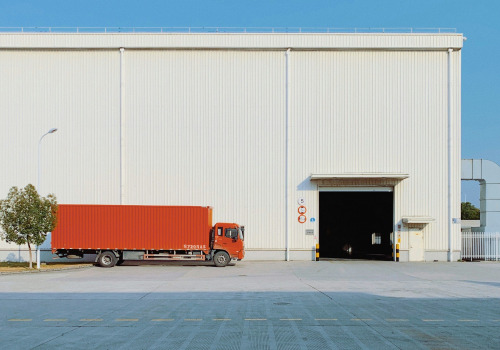
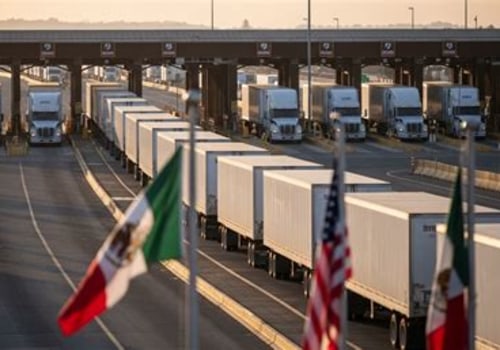
- Road Freight: This is one of the most common forms of transportation, utilizing trucks and vans to deliver goods overland. It offers flexibility and door-to-door service, making it ideal for short to medium distances.
- Rail Freight: Rail transport is highly efficient for moving large quantities of goods over long distances. It is often more cost-effective than road transport for bulk items, such as coal, grain, and automobiles.
- Air Freight: This mode is the fastest way to transport goods, making it suitable for high-value or time-sensitive items.
However, it tends to be more expensive than other methods due to fuel costs and operational expenses.
- Sea Freight: Shipping by sea is the most economical option for transporting large volumes of goods internationally. Container ships can carry a vast array of products, but transit times are longer compared to air freight.
In contrast, rail freight provides a reliable alternative for bulk shipments but lacks the same level of accessibility.In summary, understanding the basics of freight transportation, including its various modes and their roles in the supply chain, is crucial for businesses aiming to navigate the complexities of logistics effectively. This foundational knowledge sets the stage for analyzing how fluctuations in fuel prices can further influence transportation costs.
How Fuel Prices Affect Freight Transportation Costs
The relationship between fuel prices and freight transportation costs is both direct and significant. As fuel prices fluctuate, they have a profound impact on the overall cost structure of freight operations. This section explores how these changes affect operational expenses and pricing strategies within the industry.When fuel prices rise, carriers often face increased operational costs.Fuel typically represents one of the largest expenses in freight transportation, accounting for a substantial portion of total operating costs. Consequently, when fuel prices increase, carriers must adjust their pricing to maintain profitability. This adjustment often manifests in the form of fuel surcharges, which are additional fees added to the base freight rate to offset rising fuel costs.
Understanding Fuel Surcharges
- Fuel surcharges are calculated based on a specific formula that considers current fuel prices compared to a baseline price.
- These surcharges can vary significantly depending on the carrier and the type of freight being transported.
- Shippers must be aware of these surcharges as they can substantially increase the total cost of shipping goods.
Some carriers may opt to consolidate shipments or choose more efficient routes to mitigate fuel consumption. This shift not only affects their operational strategies but also has implications for delivery times and service levels.In conclusion, the impact of fuel prices on freight transportation costs is multifaceted, affecting everything from operational expenses to pricing strategies. Understanding this relationship is crucial for shippers looking to navigate the complexities of freight logistics effectively.
Factors Influencing Fuel Prices
The fluctuations in fuel prices are influenced by a myriad of factors that can significantly impact freight transportation costs. Understanding these factors is crucial for businesses that rely on shipping goods, as they can lead to unpredictable expenses.Global Oil Market Dynamics
One of the primary drivers of fuel prices is the global oil market.The price of crude oil is determined by supply and demand dynamics, which can be affected by:
- Production Levels: OPEC (Organization of the Petroleum Exporting Countries) decisions on production quotas can lead to significant price changes. When production is cut, prices typically rise.
- Market Speculation: Traders in the oil market often speculate on future prices based on geopolitical events or economic indicators, which can lead to short-term price volatility.
- Alternative Energy Sources: The rise of renewable energy sources and electric vehicles can also influence oil demand, thereby affecting fuel prices.
Geopolitical Influences
Geopolitical events play a critical role in shaping fuel prices. Conflicts in oil-rich regions, sanctions on oil-producing countries, or political instability can disrupt supply chains and lead to price spikes. For instance:- Conflicts: Wars or civil unrest in major oil-producing countries can lead to fears of supply shortages, driving prices up.
- Sanctions: Economic sanctions imposed on countries like Iran have historically led to reduced oil exports, impacting global supply and increasing prices.
Seasonal Variations
Seasonal changes also affect fuel prices.For example, during the summer months, demand for gasoline typically increases due to travel, which can elevate prices. Additionally, extreme weather events can disrupt production and distribution channels, further contributing to price fluctuations. In summary, the interplay of global oil market dynamics, geopolitical influences, and seasonal variations creates a complex landscape that directly impacts freight transportation costs. Businesses must stay informed about these factors to effectively manage their logistics expenses.
The Role of Fuel Surcharges in Freight Pricing
Fuel surcharges are a critical component of freight transportation pricing, designed to help carriers manage the volatility of fuel prices. These surcharges are additional fees added to the base rate of shipping, reflecting the current cost of fuel.As fuel prices fluctuate, so too do these surcharges, which can significantly impact the overall cost of shipping goods.
How Fuel Surcharges Work
- Fuel surcharges are typically calculated based on a specific formula that considers the average price of fuel over a defined period.
- Carriers often use benchmarks, such as the U.S. Energy Information Administration (EIA) diesel price index, to determine the surcharge amount.
- The surcharge is usually expressed as a percentage of the base freight rate or as a flat fee per mile.
Impact of Surcharges on Shipping Costs
The impact of fuel surcharges on shipping costs can be substantial.
As fuel prices rise, so do these surcharges, leading to increased overall transportation costs for shippers. This can affect pricing strategies and profit margins across various industries. Conversely, when fuel prices drop, surcharges may decrease, providing some relief to shippers.In summary, fuel surcharges play a vital role in the economics of freight transportation. They not only help carriers manage their operational costs but also influence the pricing strategies of shippers.
Understanding this dynamic is crucial for all stakeholders involved in the supply chain.
Strategies for Managing Freight Costs Amidst Fuel Price Fluctuations
As fuel prices continue to fluctuate, businesses must adopt effective strategies to manage their freight transportation costs. Here are several actionable approaches to consider:- Optimize Route Planning: Utilize advanced logistics software to analyze and select the most efficient routes. This not only reduces fuel consumption but also minimizes delivery times, ultimately lowering overall costs.
- Consolidate Shipments: Whenever possible, combine multiple shipments into one. This strategy maximizes the use of available space in transport vehicles, reducing the number of trips needed and thus cutting down on fuel expenses.
- Negotiate Fuel Surcharges: Engage with carriers to negotiate favorable terms regarding fuel surcharges.
Establishing long-term relationships can lead to better rates and more predictable costs.
- Invest in Fuel-Efficient Vehicles: If feasible, consider upgrading your fleet to more fuel-efficient models. While this may require an initial investment, the long-term savings on fuel can be substantial.
- Implement a Fuel Management Program: Monitor fuel usage closely and implement a program that encourages drivers to adopt fuel-saving practices, such as maintaining optimal speeds and reducing idling time.
Case Studies: Impact of Fuel Price Changes on Freight Companies
Understanding the impact of fuel prices on freight transportation costs can be better illustrated through real-world case studies.These examples highlight how various companies have navigated the challenges posed by fluctuating fuel prices.
Case Study 1: ABC Logistics
In 2022, ABC Logistics faced a significant increase in fuel prices, which surged by 30% over six months. As a response, the company implemented a fuel surcharge policy that adjusted rates based on current fuel costs. This strategy allowed them to maintain profitability while ensuring that their clients were aware of the cost implications. Additionally, ABC Logistics invested in fuel-efficient vehicles, which ultimately reduced their overall fuel consumption by 15%.Case Study 2: XYZ Freight Services
XYZ Freight Services experienced a dramatic spike in fuel prices during the summer of 2023. The company reported that their operational costs increased by approximately 20%.To mitigate these costs, they adopted a multi-modal transportation approach, utilizing rail and sea freight options where feasible. This shift not only helped reduce fuel expenses but also improved delivery times for certain routes.
Case Study 3: DEF Trucking
DEF Trucking, a regional player in the freight transportation sector, faced challenges when fuel prices rose unexpectedly. The company decided to renegotiate contracts with suppliers to include clauses that would allow for adjustments based on fuel price fluctuations. This proactive measure ensured that DEF Trucking could remain competitive without absorbing all the additional costs themselves.These case studies illustrate that while rising fuel prices can significantly impact freight transportation costs, companies can adopt various strategies to mitigate these effects.From implementing surcharges to exploring alternative transportation methods and renegotiating contracts, the industry is finding innovative ways to adapt to changing economic conditions.
Future Trends: The Outlook for Fuel Prices and Freight Transportation Costs
As we look to the future, the relationship between fuel prices and freight transportation costs is poised for significant evolution. Several factors will shape this dynamic, including geopolitical developments, technological advancements, and shifts in consumer behavior.Future of Fuel Prices
Predictions for fuel prices suggest a volatile landscape influenced by global supply chains and energy policies. The transition towards renewable energy sources may lead to fluctuations in traditional fuel costs as demand shifts. Additionally, geopolitical tensions can disrupt oil supply, causing sudden spikes in prices that directly impact freight costs.Trends in Freight Transportation Costs
The freight transportation industry is increasingly adopting technology to mitigate rising costs.Innovations such as fuel-efficient vehicles, alternative fuels, and route optimization software are becoming standard practices. These technologies not only help reduce fuel consumption but also enhance overall operational efficiency.
- Electric and Hybrid Vehicles: The adoption of electric trucks is on the rise, promising lower fuel costs and reduced emissions.
- Alternative Fuels: Biofuels and hydrogen are gaining traction as viable options to traditional diesel, potentially stabilizing fuel expenses.
- Data Analytics: Advanced analytics tools are enabling companies to optimize routes and improve load management, further reducing costs.
Predictions for the Shipping Industry
The shipping industry is expected to adapt to these changes by implementing more sustainable practices. As regulations tighten around emissions, companies that invest in green technologies may gain a competitive edge. Furthermore, consumer demand for environmentally friendly shipping options is likely to influence pricing strategies.In conclusion, while the future of fuel prices remains uncertain, the freight transportation sector is actively seeking solutions to manage costs effectively.By embracing innovation and sustainability, the industry can navigate the challenges posed by fluctuating fuel prices while meeting the demands of a changing market.
Conclusion: Key Takeaways on Fuel Prices and Freight Transportation Costs
In conclusion, the relationship between fuel prices and freight transportation costs is both significant and complex. Throughout this article, we have explored how fluctuations in fuel prices directly impact the overall expenses incurred by freight carriers, which in turn affects the pricing structures for consumers and businesses alike. Key takeaways include:- Fuel Cost Variability: The volatility of fuel prices can lead to unpredictable changes in freight costs, making it essential for logistics companies to implement strategies that mitigate these risks.
- Operational Efficiency: Companies that invest in fuel-efficient technologies and practices can better absorb fuel price increases, maintaining competitive pricing in the market.
- Market Dynamics: As fuel prices rise, shippers may seek alternative transportation methods or routes, influencing overall supply chain dynamics and potentially leading to longer delivery times.
- Environmental Considerations: The push for sustainability is prompting many freight companies to explore greener alternatives, which can also be influenced by fuel price trends.