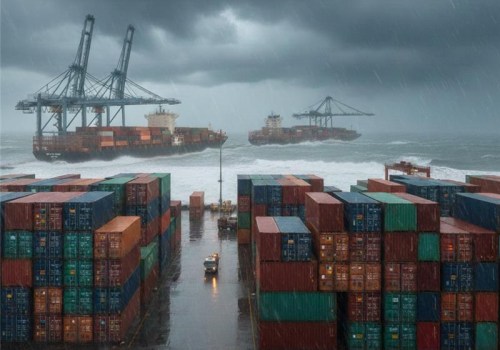
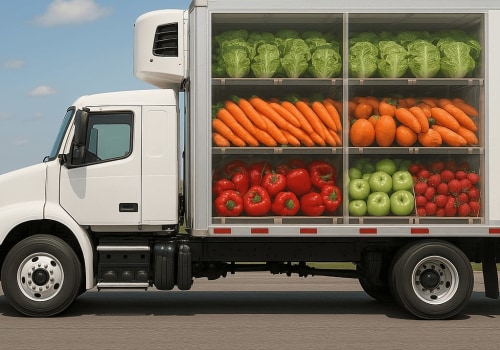
Freight transportation is a critical component of the global economy, serving as the backbone for the movement of goods across various distances. At its core, freight transportation refers to the process of transporting commodities and products from one location to another, typically involving a commercial transaction. This can encompass a wide range of activities, from shipping raw materials to delivering finished products to consumers. Understanding the nuances of freight transportation is essential for businesses looking to optimize their supply chains and enhance operational efficiency. There are several types of freight transportation, each suited for different needs and circumstances.
The primary modes include road, rail, air, and maritime transport. Road freight is often favored for its flexibility and accessibility, allowing for door-to-door delivery. Rail freight is known for its cost-effectiveness over long distances, particularly for bulk goods. Air freight, while more expensive, offers unparalleled speed, making it ideal for time-sensitive shipments.
Lastly, maritime transport remains the most economical choice for large volumes of cargo traveling internationally. In essence, freight transportation is not just about moving goods; it involves strategic planning and execution to ensure that products reach their destinations safely and efficiently. By grasping the definition and types of freight transportation, businesses can better appreciate the advantages it offers, paving the way for improved logistics and supply chain management.
Cost Efficiency in Freight Transportation
One of the most compelling advantages of freight transportation is its cost efficiency. Businesses that utilize freight services can experience significant savings, particularly when it comes to shipping large volumes of goods.Bulk Shipping
is a key factor in reducing costs. When companies ship products in larger quantities, they can take advantage of lower rates per unit.This is because freight carriers often offer discounts for bulk shipments, allowing businesses to save money on transportation costs. For instance, shipping a full truckload (FTL) is generally more economical than sending multiple less-than-truckload (LTL) shipments.Another aspect contributing to the cost benefits of freight transportation is the reduction in labor costs. Freight services often streamline the shipping process, minimizing the need for extensive manual handling. Automated systems and efficient logistics management reduce the time and labor required to prepare shipments, leading to lower operational expenses.Moreover, freight transportation enhances overall operational efficiency.
By optimizing routes and consolidating shipments, businesses can reduce fuel consumption and transit times. This not only leads to cost savings but also improves delivery reliability, which can enhance customer satisfaction and retention.In summary, leveraging freight transportation can lead to substantial financial advantages for businesses. From bulk shipping discounts to reduced labor costs and improved operational efficiency, the cost-saving potential is significant. Companies that prioritize these aspects are likely to see a positive impact on their bottom line.
Speed and Reliability of Freight Services
In the world of logistics, freight transportation stands out for its remarkable speed and reliability.Businesses today operate in a fast-paced environment where timely deliveries are crucial for maintaining customer satisfaction and enhancing brand reputation. The ability to deliver goods quickly can set a company apart from its competitors.
Speed of freight transportation
is influenced by various factors, including the mode of transport chosen. For instance, air freight is known for its rapid delivery times, making it an ideal choice for urgent shipments. On the other hand, rail and truck services offer a balance between speed and cost-effectiveness, catering to different business needs.Moreover, advancements in technology have significantly improved the reliability of freight services.Real-time tracking systems allow businesses to monitor their shipments at every stage of the journey. This transparency not only helps in managing expectations but also enables companies to proactively address any potential delays.
- Timely Deliveries: Consistent and on-time deliveries foster trust and loyalty among customers.
- Enhanced Customer Satisfaction: Quick shipping options lead to happier customers who are more likely to return.
- Improved Business Reputation: Companies known for reliable freight services often enjoy a competitive edge in the market.
Flexibility and Scalability in Freight Solutions
One of the most significant advantages of freight transportation is its inherent flexibility. Businesses today face a rapidly changing market landscape, and the ability to adapt shipping strategies is crucial for maintaining competitiveness.Whether a company experiences seasonal demand spikes or fluctuating order volumes, freight transportation solutions can be tailored to meet these varying needs.
Flexibility in Freight Transportation
- Multiple Modes of Transport: Companies can choose from various modes of freight transportation, including road, rail, air, and sea. This allows businesses to select the most efficient and cost-effective option based on their specific requirements.
- Dynamic Routing: Advanced logistics technology enables real-time tracking and dynamic routing of shipments. This means that if a disruption occurs, such as bad weather or traffic delays, companies can quickly adjust their routes to minimize delays.
- Customizable Services: Freight providers often offer customizable services, such as expedited shipping or temperature-controlled transport, allowing businesses to cater to unique product needs.
Scalable Freight Solutions
The scalability of freight transportation is another key advantage. As businesses grow or face changes in demand, their shipping needs can evolve significantly.
Scalable freight solutions allow companies to:
- Adjust Capacity: Businesses can easily scale their shipping capacity up or down based on current demand without the need for long-term commitments.
- Expand Geographically: As companies enter new markets, they can leverage existing freight networks to facilitate expansion without needing to establish new logistics operations from scratch.
- Integrate Technology: Many freight services now incorporate technology that allows for seamless integration with existing business systems, making it easier to manage logistics as operations grow.
Environmental Impact of Freight Transportation
As the world becomes increasingly aware of the environmental impact of various industries, freight transportation is evolving to adopt more sustainable practices. Modern freight methods are not only efficient but also focus on reducing their carbon footprints, making them a vital component in the fight against climate change.One of the primary advantages of contemporary freight transportation is the integration of eco-friendly shipping options. Companies are now utilizing alternative fuels such as biodiesel, compressed natural gas (CNG), and even electric vehicles for ground transport.These alternatives significantly lower greenhouse gas emissions compared to traditional diesel-powered trucks.
Sustainable Practices in Freight Transport
- Optimized Routing: Advanced logistics software allows for optimized routing, which minimizes fuel consumption and reduces travel time.
- Intermodal Transportation: Combining different modes of transport (like rail and truck) can lead to lower emissions per ton-mile, as trains are generally more fuel-efficient than trucks.
- Load Optimization: Ensuring that vehicles are loaded to their maximum capacity reduces the number of trips needed, thereby cutting down on fuel use and emissions.
Technological Advancements in Freight Transportation
The landscape of freight transportation is undergoing a significant transformation, driven by rapid technological advancements.These innovations are not only enhancing operational efficiency but also improving the overall customer experience.
Tracking systems
have become a cornerstone of modern freight logistics. With the integration of GPS and RFID technology, companies can now monitor shipments in real-time. This level of visibility allows businesses to provide accurate delivery estimates, reducing uncertainty for customers and enabling better planning.Another major innovation is the rise of automation in freight operations. Automated systems streamline processes such as loading and unloading, which minimizes human error and speeds up turnaround times.For instance, automated guided vehicles (AGVs) are increasingly used in warehouses to transport goods efficiently, thereby optimizing space and reducing labor costs.
Data analytics
plays a crucial role in enhancing decision-making within the freight industry. By analyzing vast amounts of data, companies can identify trends, forecast demand, and optimize routes. This not only leads to cost savings but also contributes to more sustainable practices by reducing fuel consumption and emissions.Furthermore, the advent of digital tools for freight management has revolutionized how businesses operate. Platforms that integrate various aspects of logistics—from inventory management to customer communication—allow for seamless coordination across the supply chain.These tools enable companies to respond swiftly to market changes and customer needs, fostering a more agile business model.In conclusion, the integration of technology in freight transportation is paving the way for a more efficient, transparent, and responsive industry. As these advancements continue to evolve, they promise to deliver even greater benefits for businesses and consumers alike.
Global Reach and Market Expansion through Freight Transportation
In today's interconnected world, freight transportation plays a pivotal role in enabling businesses to expand their reach beyond local markets. By leveraging global shipping solutions, companies can tap into new customer bases and enhance their competitive edge.One of the primary advantages of international freight is the ability to access diverse markets. This not only increases sales opportunities but also allows businesses to diversify their product offerings based on regional demands.For instance, a company that specializes in electronics can ship its products to emerging markets where demand is growing, thus maximizing its revenue potential.
- Cost Efficiency: Utilizing freight transportation can significantly reduce shipping costs, especially when shipping in bulk. This cost-effectiveness allows businesses to offer competitive pricing in new markets.
- Speed and Reliability: Modern freight services provide timely delivery options, ensuring that products reach international customers quickly. This reliability builds trust and encourages repeat business.
- Diverse Shipping Options: Freight transportation offers various modes, including air, sea, and land, allowing businesses to choose the most suitable method based on urgency and budget.
By embracing international freight advantages, businesses position themselves for long-term success in an ever-evolving marketplace.
Frequently Asked Questions about Freight Transportation
Understanding freight transportation can be complex, and many people have questions about its processes and benefits. Here are some frequently asked questions that can help clarify common misconceptions and provide deeper insights into the world of shipping.What is freight transportation?
Freight transportation refers to the movement of goods and cargo from one location to another using various modes of transport, including trucks, trains, ships, and airplanes. It plays a crucial role in global trade and logistics.What are the different types of freight transportation?
- Road Freight: Involves transporting goods via trucks and is ideal for short to medium distances.
- Rail Freight: Utilizes trains for bulk shipments over long distances, often more cost-effective for heavy loads.
- Air Freight: The fastest method for shipping goods, suitable for high-value or time-sensitive items.
- Sea Freight: Involves shipping goods via cargo ships, typically used for international trade due to its capacity for large volumes.
How does freight transportation impact businesses?
The efficiency of freight transportation directly affects a business's bottom line. Reliable shipping can lead to:- Cost Savings: Optimized routes and modes can reduce shipping expenses.
- Improved Customer Satisfaction: Timely deliveries enhance customer experience and loyalty.
- Increased Market Reach: Access to global markets allows businesses to expand their customer base.
What should I consider when choosing a freight transportation method?
When selecting a freight transportation method, consider the following factors:- Cargo Type: Different goods may require specific handling or transport conditions.
- Delivery Speed: Determine how quickly you need your goods delivered.
- Cost: Evaluate your budget against the available options.
- Distance: Longer distances may favor certain modes over others for efficiency.
Conclusion: The Strategic Importance of Freight Transportation for Businesses
In conclusion, the role of freight transportation in modern business operations cannot be overstated.As we have explored throughout this article, the advantages of utilizing freight transportation are multifaceted and critical for achieving operational efficiency and competitive advantage.
Cost Efficiency:
One of the primary benefits is the cost-effectiveness it offers. By leveraging various modes of freight transportation, businesses can optimize their shipping costs, ensuring that they remain competitive in their pricing strategies.
Enhanced Reach:
Freight transportation enables companies to expand their market reach significantly. With the ability to ship goods across vast distances, businesses can tap into new markets and customer bases that were previously inaccessible.
Reliability and Timeliness:
The reliability of freight services ensures that products are delivered on time, which is crucial for maintaining customer satisfaction and loyalty. Timely deliveries can also enhance a company’s reputation, making it a preferred choice among consumers.
Flexibility:
The diverse options available in freight transportation—whether by road, rail, air, or sea—allow businesses to choose the most suitable method based on their specific needs.
This flexibility can lead to better inventory management and reduced lead times.
Scalability:
As businesses grow, their logistics needs evolve. Freight transportation systems can scale alongside a business, accommodating increased volumes without compromising service quality.Ultimately, integrating effective freight transportation solutions is not just about moving goods; it’s about creating a robust supply chain that supports overall business objectives. Companies that prioritize and invest in efficient freight strategies are better positioned to thrive in today’s dynamic marketplace.