Freight transportation is a critical component of global trade, facilitating the movement of goods across borders and connecting markets worldwide. It encompasses a variety of methods and modes, each tailored to meet specific logistical needs. Understanding what freight transportation entails is essential for businesses looking to expand their reach and optimize their supply chains. At its core, freight transportation involves the physical transfer of goods from one location to another, which can include everything from raw materials to finished products. The importance of efficient freight transportation cannot be overstated.
It not only impacts the cost and speed of delivery but also plays a significant role in customer satisfaction and overall business success. In an increasingly interconnected world, companies must navigate complex regulations, tariffs, and customs procedures that come with cross-border logistics. This complexity makes it imperative for businesses to choose the right type of freight transportation method that aligns with their operational goals. There are several types of freight transportation available, each with its own advantages and disadvantages.
- Road freight is often the most flexible option, allowing for door-to-door delivery.
- Rail freight is ideal for transporting large volumes over long distances at a lower cost.
- Air freight offers the fastest delivery times but at a premium price, making it suitable for high-value or time-sensitive shipments.
- Sea freight, while slower, is the most economical choice for bulk goods and international shipping.
Key Challenges in Cross-Border Freight Transportation
Cross-border freight transportation presents a unique set of challenges that can significantly impact logistics efficiency and cost.Understanding these challenges in freight transportation is essential for businesses looking to optimize their supply chain.One of the primary hurdles is navigating customs regulations. Each country has its own set of rules and requirements for importing and exporting goods, which can vary widely. Failure to comply with these regulations can lead to delays, fines, or even confiscation of goods. Therefore, it is crucial for logistics managers to stay informed about the latest customs policies and ensure that all necessary documentation is prepared accurately.
- Documentation Requirements: Proper documentation is vital in cross-border freight transportation.
This includes invoices, packing lists, and certificates of origin. Incomplete or incorrect paperwork can cause significant delays at border crossings.
- Potential Delays: Delays can occur due to various factors such as customs inspections, traffic congestion at borders, or unexpected regulatory changes. These delays can disrupt supply chains and lead to increased costs.
- Cultural Differences: Understanding cultural nuances in different countries can also pose challenges. Communication barriers may arise, affecting negotiations and relationships with local partners.
Additionally, partnering with experienced freight forwarders can provide valuable insights into local practices and help streamline the transportation process.In conclusion, addressing the cross-border logistics issues associated with freight transportation requires a proactive approach. By understanding the complexities of customs regulations and preparing for potential challenges, businesses can enhance their operational efficiency and maintain a competitive edge in the global market.
Essential Documentation for Cross-Border Freight
When engaging in cross-border freight transportation, having the right documentation is crucial for ensuring compliance with international regulations and facilitating smooth transit. Below are the essential documents you will need:- Bills of Lading : This document serves as a contract between the shipper and the carrier, detailing the type, quantity, and destination of the goods being transported. It is also a receipt for the cargo.
- Commercial Invoices : A commercial invoice is a bill for the goods from the seller to the buyer.
It includes details such as product descriptions, quantities, prices, and payment terms. This document is vital for customs clearance.
- Customs Declarations : This paperwork is required by customs authorities to declare the nature of the goods being imported or exported. It includes information about the shipment's value, origin, and destination.
- Packing Lists : A packing list provides detailed information about the contents of each package in a shipment. It helps customs officials verify that all items are accounted for during inspections.
- Certificates of Origin : This document certifies that the goods being shipped originate from a specific country.
It may be required to determine tariffs and trade agreements.
- Insurance Certificates : Proof of insurance coverage for your shipment can protect against loss or damage during transit.
- Import/Export Licenses : Depending on the nature of your goods, you may need specific licenses to legally import or export them.
Choosing the Right Freight Forwarder
When it comes to freight transportation, selecting the right freight forwarder is crucial for ensuring a smooth and efficient shipping process, especially in cross-border scenarios. A freight forwarder acts as an intermediary between you and various transportation services, helping to navigate the complexities of international shipping.How to Choose a Freight Forwarder
- Experience and Expertise: Look for a freight forwarder with extensive experience in your specific industry and the regions you are shipping to. Their knowledge of local regulations and customs can save you time and money.
- Services Offered: Ensure that the freight forwarder provides a comprehensive range of services, including customs clearance, warehousing, and insurance.
This can simplify logistics by having a single point of contact for all your needs.
- Reputation: Research online reviews and ask for references. A reputable freight forwarder should have positive feedback from previous clients, indicating reliability and professionalism.
- Technology Utilization: Inquire about the technology they use for tracking shipments and managing logistics. Advanced systems can provide real-time updates and enhance communication.
Benefits of Using a Freight Forwarder
- Risk Mitigation: Freight forwarders are well-versed in handling potential risks associated with international shipping, such as delays or customs issues, allowing you to focus on your core business.
- Cost Efficiency: They can negotiate better rates with carriers due to their volume of shipments, which can lead to significant savings for your business.
- Simplified Processes: By managing all aspects of the shipping process, freight forwarders streamline operations, making it easier for you to manage your supply chain.
Modes of Transportation for Cross-Border Freight
When it comes to cross-border freight transportation, choosing the right mode is crucial for efficiency, cost-effectiveness, and timely delivery.The three primary modes of transportation are air, sea, and land, each with its own set of advantages and disadvantages.
Air Freight
Air freight is often the fastest option for transporting goods across borders. It is ideal for high-value or time-sensitive shipments, such as electronics or perishable goods. However, this speed comes at a premium cost. Additionally, air freight has weight and size limitations, which can restrict the types of goods that can be shipped.Sea Freight
Sea freight, on the other hand, is typically the most economical choice for large volumes of goods.It is well-suited for bulky items like machinery or raw materials. While sea transport can take significantly longer than air freight, it allows for greater flexibility in terms of cargo size and weight. However, businesses must consider potential delays due to weather conditions or port congestion.
Land Freight
Land freight, which includes trucking and rail transport, serves as a vital link between air and sea transportation. It is particularly effective for shipments that need to be moved over shorter distances or when crossing borders within a continent.Land transport offers flexibility in routing and scheduling but can be affected by road conditions, traffic, and border crossing regulations.
Choosing the Best Mode
The best mode for cross-border shipping ultimately depends on several factors:- Cost: Evaluate your budget against the shipping options available.
- Speed: Determine how quickly you need your goods to arrive.
- Cargo Type: Consider the nature of your products and any special handling requirements.
- Destination: Assess the infrastructure and accessibility of your destination country.
Customs Clearance Process Explained
Understanding the customs clearance process is crucial for anyone involved in freight transportation, especially when dealing with cross-border shipments. This process ensures that goods comply with the laws and regulations of the destination country, allowing them to enter without unnecessary delays.The customs clearance process typically involves several key steps:- Documentation Preparation: Before your goods arrive at the border, you must prepare all necessary documentation. This includes the commercial invoice, packing list, bill of lading, and any specific permits required for your goods.
- Customs Declaration: Once your shipment arrives, a customs declaration must be submitted. This document provides details about the goods being imported, including their value and classification.
- Assessment of Duties and Taxes: Customs authorities will assess applicable duties and taxes based on the declared value of the goods.
Understanding how these duties are calculated can help you anticipate costs and avoid surprises.
- Inspection: In some cases, customs may require an inspection of the goods to verify their contents against the declaration. This step can lead to delays if not managed properly.
- Release of Goods: Once all requirements are met and duties paid, customs will release your goods for delivery to their final destination.
Best Practices for Efficient Cross-Border Freight Management
Managing cross-border freight transportation effectively requires a strategic approach that encompasses various best practices.Here are some actionable tips to enhance your freight management:
- Understand Regulatory Requirements: Each country has its own customs regulations and documentation requirements. Familiarize yourself with these to avoid delays and penalties. Ensure that all paperwork, including invoices and certificates of origin, is accurate and complete.
- Choose the Right Freight Forwarder: Partnering with an experienced freight forwarder can streamline your logistics. They can provide valuable insights into local regulations, help with documentation, and offer solutions tailored to your specific needs.
- Optimize Shipping Routes: Analyze different shipping routes to find the most efficient paths.
Consider factors such as distance, transit times, and potential delays at borders. Utilizing technology like route optimization software can significantly enhance this process.
- Leverage Technology: Implementing a robust logistics management system can improve visibility and tracking of shipments. Real-time data allows for better decision-making and quicker responses to any issues that arise during transit.
- Consolidate Shipments: Whenever possible, consolidate shipments to reduce costs and improve efficiency. This not only lowers transportation expenses but also minimizes the environmental impact of multiple smaller shipments.
- Maintain Open Communication: Establish clear lines of communication with all stakeholders involved in the shipping process, including suppliers, carriers, and customs officials.
Regular updates can help preemptively address potential issues.
Technology's Role in Modern Freight Transportation
In the rapidly evolving landscape of freight transportation, technology plays a pivotal role in enhancing efficiency, transparency, and reliability. The integration of advanced technologies is not just a trend; it is a necessity for companies aiming to stay competitive in the global market.Tracking Shipments Technology
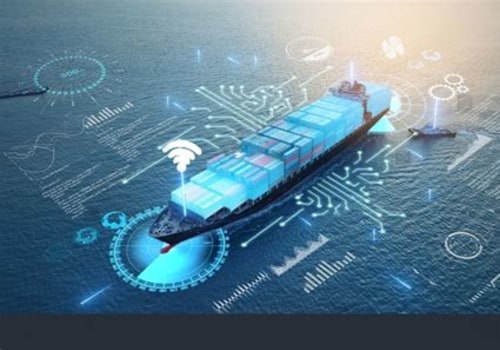
One of the most significant advancements in freight transport is the implementation of sophisticated tracking systems. These systems utilize GPS and RFID technology to provide real-time updates on shipment locations.This level of visibility allows businesses to:
- Monitor the status of their shipments at any given moment.
- Anticipate potential delays and proactively address issues.
- Enhance customer satisfaction by providing accurate delivery estimates.
Logistics Software Solutions
Another transformative aspect of modern freight transportation is the use of logistics software solutions. These platforms streamline operations by automating various processes, such as:- Route optimization: Algorithms analyze traffic patterns and road conditions to determine the most efficient routes.
- Inventory management: Real-time data helps businesses maintain optimal stock levels, reducing costs associated with overstocking or stockouts.
- Documentation and compliance: Automated systems ensure that all necessary paperwork is completed accurately and on time, minimizing legal risks.
Frequently Asked Questions about Cross-Border Freight Transportation
When it comes to cross-border freight transportation, many individuals and businesses have questions regarding the logistics, regulations, and best practices involved.Below are some of the most frequently asked questions that can help clarify the complexities of this process.
What documents are required for cross-border freight transportation?
To ensure smooth transit across borders, several key documents are typically required:- Bill of Lading: This serves as a contract between the shipper and carrier.
- Commercial Invoice: This document details the transaction between the buyer and seller.
- Packing List: A detailed list of the items being shipped, including weights and dimensions.
- Customs Declaration: Required for customs clearance, detailing the nature of the goods.
How do customs duties affect freight transportation?
Customs duties can significantly impact the overall cost of freight transportation. These duties are taxes imposed by governments on imported goods. Understanding the applicable rates and ensuring compliance with customs regulations is crucial to avoid unexpected costs and delays. It’s advisable to work with a customs broker who can provide guidance on duty rates and help navigate the complexities of international shipping.What are the common challenges in cross-border shipping?
Several challenges can arise during cross-border shipping, including:- Regulatory Compliance: Different countries have varying regulations that must be adhered to.
- Delays at Customs: Insufficient documentation or inspections can lead to delays.
- Cultural Differences: Understanding local business practices can be essential for successful transactions.