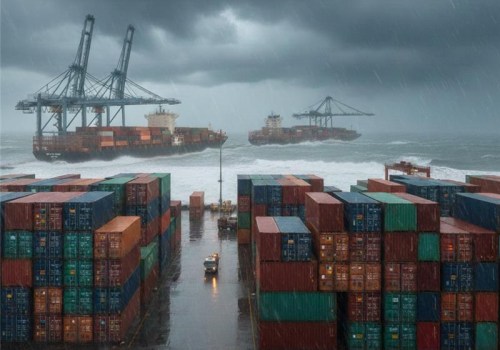
In the intricate web of global trade, freight transportation serves as the backbone that connects producers to consumers across vast distances. This essential service encompasses the movement of goods by land, sea, and air, facilitating commerce and enabling businesses to thrive in an increasingly interconnected world. Understanding the dynamics of freight rates is crucial for companies looking to optimize their logistics and supply chain management. The significance of freight transportation extends beyond mere logistics; it plays a pivotal role in determining the cost-effectiveness of shipping goods. As businesses strive to remain competitive, knowing how to calculate freight rates becomes imperative.
These rates are influenced by various factors, including distance, weight, volume, and the mode of transport used. By grasping these elements, companies can make informed decisions that impact their bottom line. Moreover, the importance of freight transportation cannot be overstated in today’s economy. It not only supports local businesses but also drives international trade, allowing countries to exchange goods and services efficiently. As we delve deeper into the intricacies of calculating freight rates, it becomes clear that a solid understanding of this process is essential for anyone involved in logistics or supply chain management.
What Are Freight Rates?
In the realm of freight transportation, understanding freight rates is crucial for businesses that rely on shipping goods.Freight rates refer to the charges applied for transporting cargo from one location to another. These rates can vary significantly based on several factors, including the type of goods being shipped, the distance traveled, and the mode of transportation used.
Definition of Freight Rates:
Freight rates are essentially the cost associated with moving freight. They are determined by logistics companies and can be influenced by market demand, fuel prices, and seasonal fluctuations. For instance, shipping a container of electronics may incur a different rate compared to transporting perishable goods due to the need for special handling and refrigeration.Freight rates play a pivotal role in the logistics industry as they directly impact shipping costs.Understanding these rates helps businesses budget effectively and make informed decisions about their supply chain operations. Here are some key components that influence freight rates:
- Distance: The longer the distance, the higher the freight rate is likely to be.
- Weight and Volume: Heavier and bulkier shipments typically incur higher charges.
- Type of Cargo: Special handling requirements for certain types of cargo can increase costs.
- Mode of Transportation: Rates differ between air, sea, rail, and road transport.
- Market Conditions: Supply and demand dynamics can lead to fluctuating rates.
Factors Influencing Freight Rates
Understanding the factors influencing freight rates is crucial for businesses engaged in freight transportation. Several key elements come into play when determining how much it will cost to transport goods from one location to another.- Distance: The distance between the origin and destination is one of the most significant factors.
Generally, the longer the distance, the higher the freight rate. This is due to increased fuel costs, labor, and time involved in transporting goods over greater distances.
- Weight and Dimensions: The weight and size of the shipment also play a critical role. Heavier and bulkier items typically incur higher rates because they take up more space and require more resources to transport. Carriers often use a pricing model based on dimensional weight, which considers both weight and volume.
- Mode of Transport: The choice of transportation mode—whether by truck, rail, air, or sea—significantly affects freight rates.
Air freight is usually more expensive than ground transportation due to its speed and efficiency, while sea freight may offer lower rates for large shipments but takes longer.
- Market Demand: Supply and demand dynamics in the freight market can lead to fluctuations in rates. During peak seasons or when there is a shortage of available carriers, rates may increase. Conversely, during off-peak times, shippers may find lower rates as competition among carriers intensifies.
- Fuel Prices: Changes in fuel prices can directly impact freight rates. When fuel prices rise, carriers often pass these costs onto shippers through fuel surcharges.
This knowledge not only helps in budgeting but also in negotiating better terms with carriers.
Types of Freight Rates
Understanding the types of freight rates is crucial for businesses involved in freight transportation. Different rate structures can significantly impact shipping costs and logistics planning. Here, we will explore the most common types of freight rates.1.Flat Rates
Flat rates are straightforward and predictable. They are fixed charges for transporting goods from one point to another, regardless of the weight or volume of the shipment.This type of rate is beneficial for businesses that require consistent pricing, making budgeting easier. For example, a company might pay a flat rate of $500 to ship a standard container from New York to Los Angeles.
2.Variable Rates
Variable rates, on the other hand, fluctuate based on several factors such as weight, distance, and fuel prices. This type of rate is often used in freight transportation when shipping larger or heavier items. For instance, a shipment weighing over 1,000 pounds may incur a different rate compared to a lighter shipment.Businesses must be prepared for potential changes in costs with this structure.
3.Spot Rates
Spot rates are typically used for one-time shipments or when demand exceeds supply. These rates can change daily based on market conditions and are often higher than contract rates. For example, if a company needs to ship goods urgently due to an unexpected demand spike, they may opt for a spot rate that reflects current market prices.4.Contract Rates
Contract rates are negotiated agreements between shippers and carriers for a set period, usually offering lower prices in exchange for guaranteed shipping volumes. This type of rate is ideal for businesses with predictable shipping needs, allowing them to lock in lower costs over time.In summary, understanding these different freight rate structures can help businesses make informed decisions about their shipping strategies and budget effectively for their freight transportation needs.How to Calculate Freight Rates: Step-by-Step Guide
Calculating freight rates can seem daunting, but by following a systematic approach, you can determine the costs associated with freight transportation effectively.Here’s a step-by-step guide to help you through the process.
- Determine the Shipment Details:
- Weight: Measure the total weight of the shipment. This is often a critical factor in determining freight costs.
- Dimensions: Calculate the dimensions of the package (length, width, height) to assess volumetric weight if necessary.
- Distance: Identify the distance between the origin and destination. Longer distances typically incur higher costs.
- Type of Goods: Consider the nature of the goods being shipped. Hazardous materials or fragile items may require special handling and incur additional fees.
- Select a Freight Class: Depending on the type of goods, assign a freight class based on the National Motor Freight Classification (NMFC).
This classification affects pricing and service options.
- Choose a Freight Carrier: Research various carriers to compare their rates and services. Each carrier may have different pricing structures based on their operational costs and service levels.
- Calculate Base Rate: Use the following formula to calculate the base rate:Base Rate = (Weight x Rate per Pound) + Additional FeesThis formula incorporates both weight and any extra charges that may apply.
- Add Additional Costs: Consider other potential costs such as:
- Fuel Surcharges: Many carriers apply fuel surcharges based on current fuel prices.
- Tolls and Accessorial Charges: These may include fees for liftgate service, residential delivery, or inside delivery.
- Total Freight Cost: Finally, sum up all calculated costs to arrive at your total freight cost:Total Freight Cost = Base Rate + Additional Costs
Common Mistakes in Freight Rate Calculation
Calculating freight rates accurately is crucial for businesses involved in freight transportation. However, many companies make common mistakes that can lead to inflated costs or lost revenue. Understanding these pitfalls can help ensure more precise pricing.- Neglecting to Consider All Costs: One of the most frequent errors is failing to account for all associated costs.
Businesses often focus solely on the base shipping rate, overlooking additional fees such as fuel surcharges, handling fees, and customs duties. To avoid this mistake, create a comprehensive list of all potential costs involved in the shipping process.
- Incorrect Weight and Dimensions: Another common error is miscalculating the weight and dimensions of the shipment. Freight carriers often use dimensional weight pricing, which means that inaccurately reported dimensions can lead to higher charges. Always measure and weigh your shipments accurately before obtaining quotes.
- Ignoring Carrier Options: Many businesses stick with a single carrier without exploring other options.
Different carriers have varying pricing structures and service levels. By comparing multiple carriers, you can find the most cost-effective solution for your specific needs.
- Not Updating Rate Agreements: Freight rates can fluctuate due to market conditions, fuel prices, and other factors. Failing to regularly review and update your rate agreements can result in outdated pricing that no longer reflects current market realities. Schedule regular reviews of your contracts to ensure they remain competitive.
- Overlooking Seasonal Variations: Demand for freight transportation can vary seasonally, affecting rates.
Businesses often forget to adjust their calculations based on peak seasons or holidays when demand is higher. Stay informed about seasonal trends in your industry to anticipate changes in freight costs.
Tools and Resources for Calculating Freight Rates
Calculating freight rates can be a complex process, but fortunately, there are numerous tools and resources available to simplify this task. These tools can help businesses and individuals determine shipping costs accurately, ensuring that they can budget effectively for freight transportation.Here are some of the most popular options:- Online Freight Rate Calculators: Many logistics companies offer free online calculators that allow users to input specific details such as weight, dimensions, and destination.
These calculators provide instant quotes based on current market rates.
- Shipping Software Solutions: For businesses that frequently ship goods, investing in comprehensive shipping software can be beneficial. These programs often include features for calculating freight rates, tracking shipments, and managing logistics all in one place.
- Freight Brokers: Working with a freight broker can also be an effective way to calculate rates. Brokers have access to a wide range of carriers and can provide tailored quotes based on your specific needs.
- Mobile Apps: There are various mobile applications designed for quick freight rate calculations on the go. These apps often include features like barcode scanning for easy input of package details.
- Distance: The distance between the origin and destination significantly impacts freight costs.
- Weight and Dimensions: Heavier and larger shipments typically incur higher rates.
- Type of Freight: Different types of goods may require special handling or transportation methods, affecting the overall cost.
FAQs About Freight Rates and Transportation Costs
Understanding freight rates and transportation costs can be complex, leading to many questions.Here are some frequently asked questions that can help clarify these concepts:
What factors influence freight rates?
Several key factors affect freight transportation rates, including:- Distance: The longer the distance, the higher the cost due to fuel and time.
- Weight and Volume: Heavier and bulkier shipments typically incur higher rates.
- Type of Cargo: Hazardous materials or specialized goods may require additional handling fees.
- Mode of Transportation: Costs vary significantly between air, sea, rail, and truck transport.
- Seasonality: Demand fluctuations during peak seasons can lead to increased rates.
How can I get an accurate freight quote?
To obtain an accurate freight quote, consider the following steps:- Provide Detailed Information: Include specifics about the shipment such as dimensions, weight, and type of goods.
- Select a Reliable Freight Forwarder: Work with a reputable company that understands your needs and can provide tailored solutions.
- Request Multiple Quotes: Comparing quotes from different carriers can help you find the best rate.
Are there hidden costs in freight transportation?
Yes, there can be hidden costs associated with freight transportation. Common hidden fees include:- Fuel Surcharges: Additional fees based on fluctuating fuel prices.
- Tolls and Accessorial Charges: Fees for services like loading/unloading or special handling.
- Duties and Taxes: Import/export duties that may apply depending on the destination.
Conclusion: Key Takeaways on Calculating Freight Rates
In summary, understanding how to calculate freight rates is crucial for businesses engaged in freight transportation. The process involves several key factors that can significantly impact the overall cost of shipping goods.- Distance: The longer the distance, the higher the freight rate. This is a fundamental aspect of logistics that cannot be overlooked.
- Weight and Volume: Freight rates are often calculated based on the weight and volume of the shipment.
Understanding dimensional weight can help businesses optimize their shipping costs.
- Type of Goods: Different types of cargo may require special handling or transportation methods, which can affect rates. For instance, hazardous materials often incur higher fees due to safety regulations.
- Shipping Method: The choice between air, sea, or land transportation will also influence freight rates. Each method has its own cost structure and delivery timelines.
- Market Conditions: Fluctuations in fuel prices, demand for shipping services, and seasonal trends can all impact freight rates. Staying informed about these factors is essential for accurate budgeting.
Regularly reviewing and adjusting freight calculations ensures that companies remain competitive in a dynamic market. Ultimately, mastering the calculation of freight rates is not just about understanding numbers; it’s about leveraging this knowledge to optimize freight transportation strategies and drive business success.